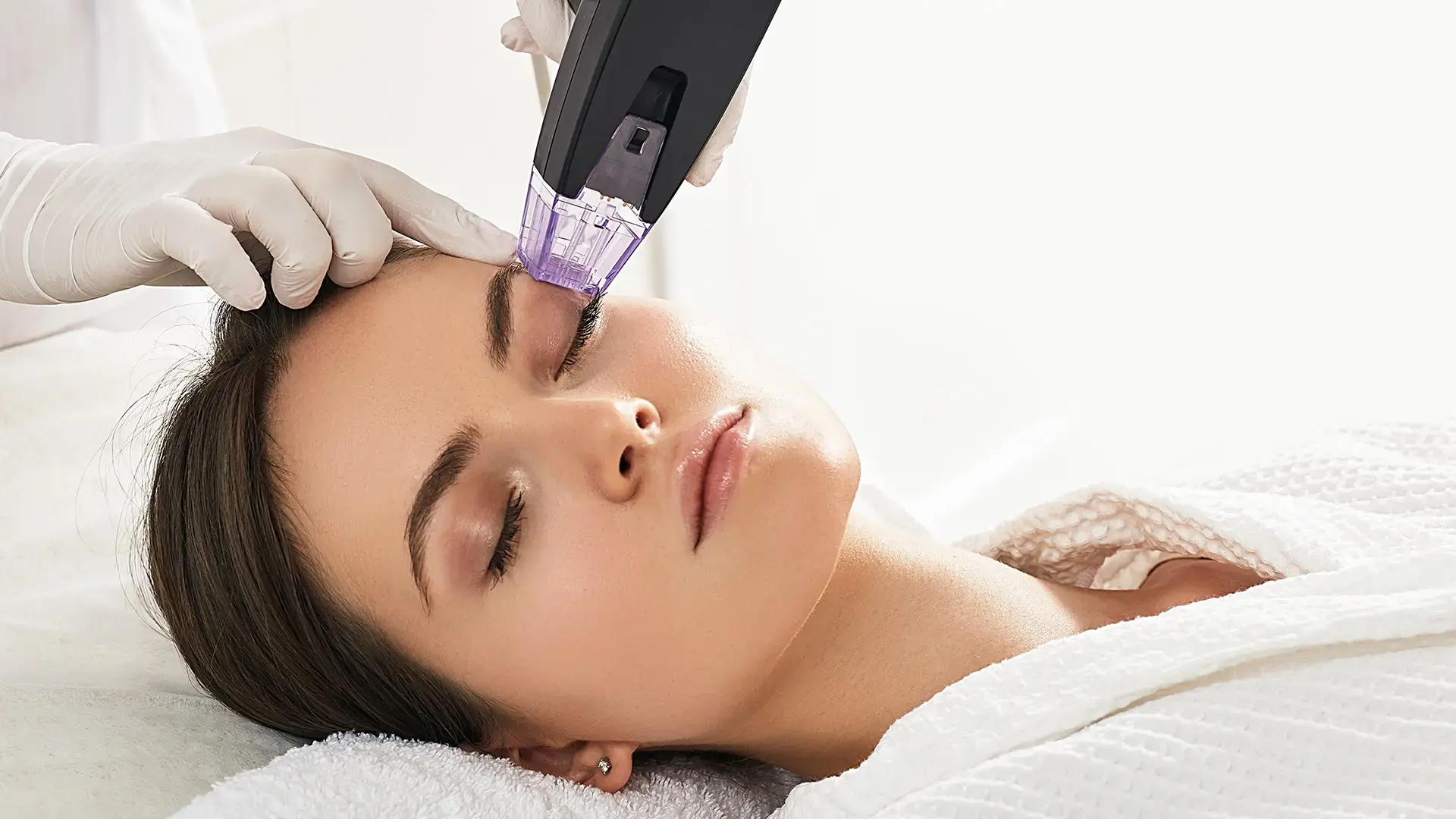
Brazilian laser hair removal isn’t a fad — it’s a maintenance protocol. After a few targeted sessions, the bikini and intimate area becomes dramatically smoother, ingrown hairs and razor burn fade, and the monthly grind of waxing or shaving largely disappears. Most patients spend less over two years than they would on equivalent waxing, with far better skin underneath. The catch: the right device, the right number of sessions, and the right technician matter more than the brand of the laser on the door.
This content is for educational purposes only and does not constitute medical advice. Individual results may vary. Consult a qualified healthcare provider before undergoing any treatment or procedure.
This guide covers how the technology actually works on the intimate area, what each session feels like (more comfortable than waxing for most patients), what the real cost-vs-wax math looks like, and how to know if it’s a fit for your skin and hair type. To get a specific plan for your skin, book a consultation with the team at Femme Aesthetics in Miami.
How Brazilian Laser Hair Removal Actually Works
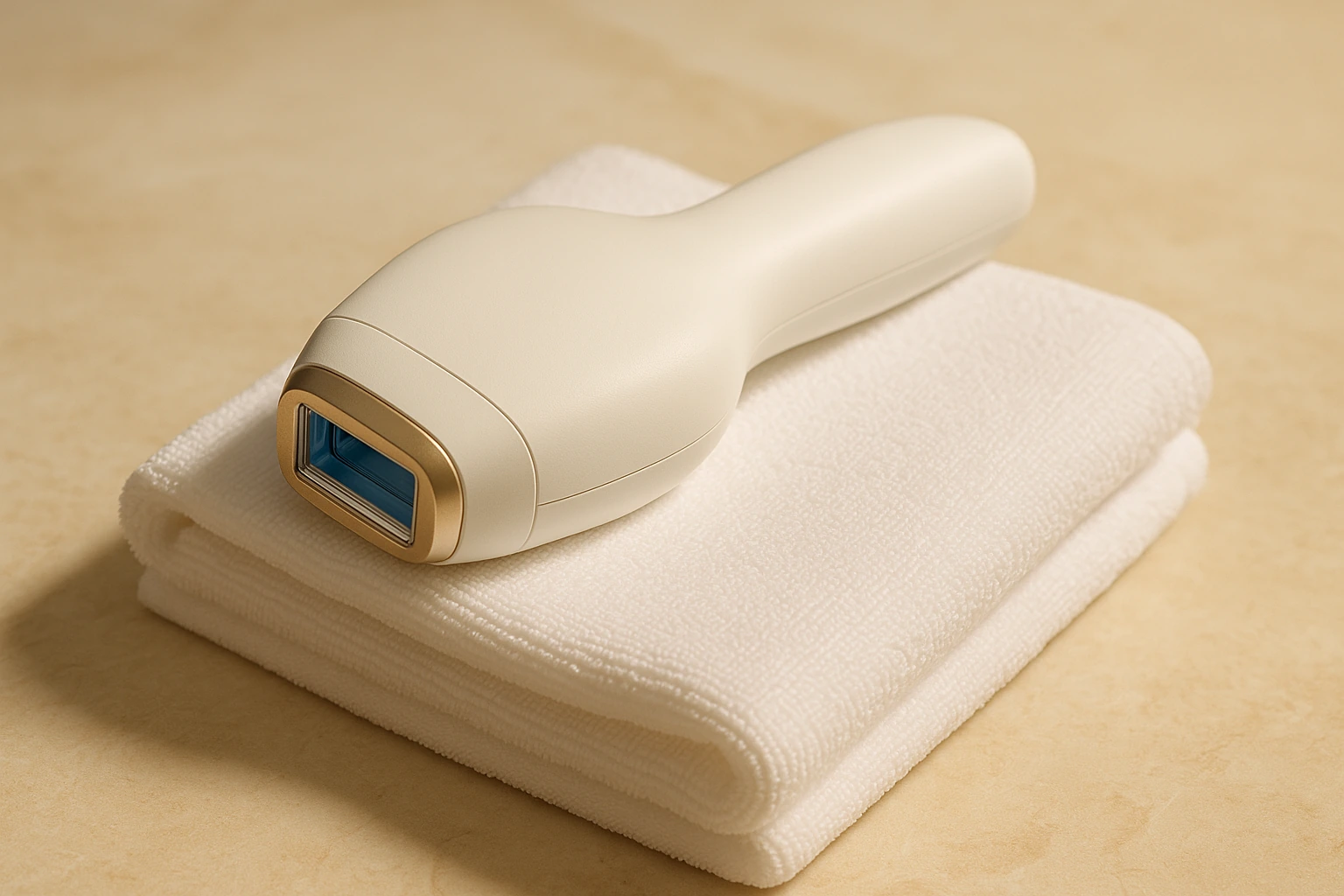
The laser emits a wavelength of light that’s absorbed selectively by melanin — the pigment in your hair shaft. That energy converts to heat inside the follicle, damaging the cells responsible for regrowth without harming surrounding skin. The technical name for this is selective photothermolysis, and it’s the same mechanism behind every modern laser hair removal device, from Alexandrite to Diode to Nd:YAG.
Why multiple sessions are required: each follicle is only susceptible to the laser during the anagen (active growth) phase of its cycle, and at any given moment only about 25 to 30 percent of the hair in a treatment area is in that phase. Sessions spaced 4 to 6 weeks apart let us catch each follicle when it’s vulnerable. A typical Brazilian series runs 5 to 7 sessions for substantial results, with annual touch-ups thereafter.
The intimate area is denser and more pigmented than legs or underarms, which makes Brazilian laser one of the most responsive treatment zones — results show up faster than on most of the body. The trade-off: the skin in the bikini area is more sensitive, so device selection and technician experience really matter.
What a Brazilian Laser Session Actually Feels Like
The first session is the unknown. Here’s the reality:
- Before: You shave the area within 24 hours of the appointment. Wax or pluck removes the follicle the laser needs to find, so don’t. Avoid sun exposure on the area for 2 weeks before.
- During: A cool gel is applied to the area. Each laser pulse is a rubber-band-snap sensation that lasts under a second; modern devices have integrated cooling that significantly reduces it. A full Brazilian takes 15 to 20 minutes of actual treatment time.
- After: Mild warmth and redness for a few hours, similar to mild sunburn. Loose cotton clothing, no hot showers, no exercise for 24 hours. By the next morning most patients have no visible signs of treatment.
Almost every patient reports sessions 3 onward feel meaningfully easier than session 1 — there’s less hair density to absorb the laser energy, so the snap is softer. By session 5 most patients describe it as “mildly uncomfortable” rather than “painful.”
Brazilian Laser vs. Waxing: The Real Cost Comparison
The honest comparison most clinics won’t make for you:
- Waxing: $50 to $80 per session, monthly. Over 24 months: $1,200 to $1,920. You still have hair, ingrowns, and a regrowth window. Spend continues indefinitely.
- Brazilian laser series: $500 to $1,500 for a full 5 to 7 session series. Annual touch-up: $100 to $200. Over 24 months: $600 to $1,700 total. Hair is mostly gone after the series.
At month 24, laser is at break-even or already cheaper than waxing. Past that, the math only widens. The real win isn’t the dollar savings — it’s the 50+ hours per year you stop spending on hair maintenance.
Who’s a Good Candidate?
Brazilian laser works on a wide range of skin and hair types, but the specifics matter:
- Best response: dark, coarse hair on lighter skin (highest melanin contrast)
- Strong response with the right device: any skin tone with dark hair — we use longer-wavelength lasers (Nd:YAG) for darker skin tones to safely target hair without affecting surrounding pigment
- Limited response: blonde, red, or grey hair has minimal melanin and doesn’t absorb the laser well
- Not a candidate right now: active pregnancy, recent tanning, certain medications — we’ll review this in the consultation
If you’re unsure, the consultation includes a small test patch on a hidden area so you can see how your skin and hair respond before committing to a full series.
The Treatment Room Experience

Brazilian laser is an intimate-area treatment, so the experience should feel discreet, professional, and unhurried. At Femme Aesthetics:
- Female technicians for every Brazilian treatment
- Private rooms with locking doors and discreet draping
- Same technician for your whole series so you’re not re-introducing yourself
- Aftercare materials (cooling gel, gentle cleanser, SPF for the area) at no charge
Choose a clinic that takes the intimate-area context seriously — if you feel rushed or like you’re being treated as a number, find another clinic.
Aftercare and Long-Term Maintenance
Between sessions:
- Avoid sun exposure on the area — tan skin near a laser session is the highest-risk situation we see
- You can shave between sessions but skip waxing, sugaring, threading, or plucking (they pull the follicle out)
- Use gentle, fragrance-free body wash on the area for 48 hours after each session
- Wear breathable cotton underwear for 24 hours post-treatment
After your full series, plan on one annual maintenance session to catch follicles that re-emerge over time. Most patients find that single session covers them for the entire year.
Ready to break up with the wax cycle? Book a consultation, call (786) 250-4133, or email info@femmeaesthetics.com. See related options on our services menu — including full-body laser hair removal if you’re looking at more than the bikini area.
Disclaimer: The information provided is intended for general educational purposes and should not replace professional medical consultation. Results are not guaranteed and may vary by individual. All procedures carry potential risks and side effects — discuss these with your provider before making any decisions.