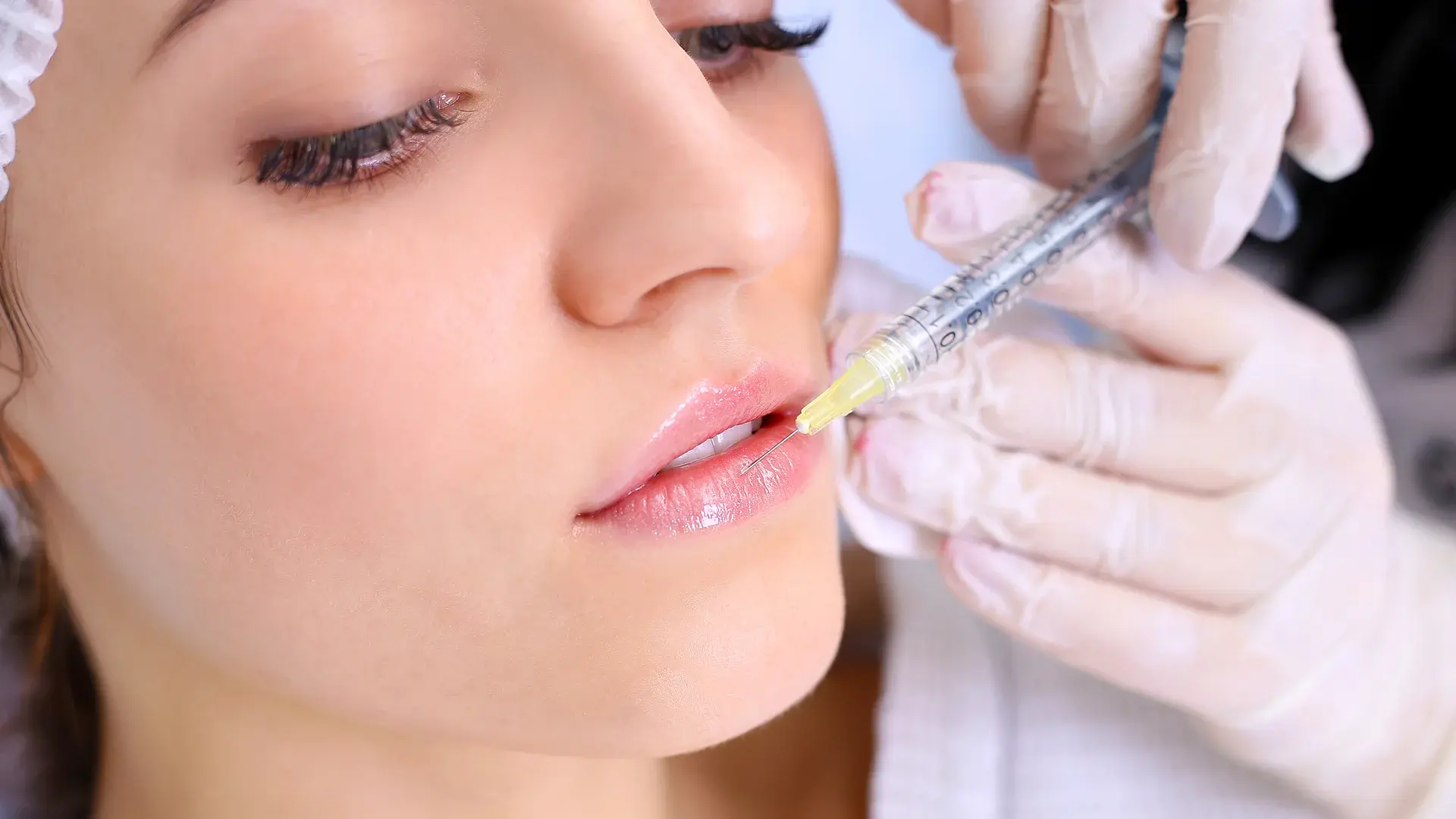
The under-eye area is one of the first places to show signs of aging, fatigue, and volume loss. Dark circles, hollowness, and fine lines beneath the eyes can make you look older and more tired than you feel. Fortunately, dermal fillers offer a non-surgical solution that can rejuvenate and refresh the under-eye area with minimal downtime. In this comprehensive guide, we explore the benefits, procedures, and vital tips you need to know about dermal fillers for under eyes.
Key Takeaways
- Hyaluronic acid fillers are the gold standard for under-eye rejuvenation, offering natural-looking results and the ability to be dissolved if needed.
- Always seek treatment from a board-certified professional experienced in under-eye filler injections to minimize risks and ensure the best outcome.
- Alternative treatments such as fat transfers, synthetic fillers like poly-L-lactic acid, and PRP therapy offer additional options for those seeking under-eye improvement.
- Proper post-procedure care is essential for optimal results, including avoiding strenuous exercise and sun exposure for 24–48 hours after treatment.
- Some fillers offer the added benefit of collagen stimulation, improving skin quality and texture over time in addition to restoring volume.
What are Dermal Fillers?
Dermal fillers are gel-like substances injected into the soft tissue beneath the skin to restore lost volume, smooth out lines and wrinkles, and enhance facial contours. They have become one of the most popular non-surgical cosmetic treatments available, offering immediate results with minimal recovery time. When used in the under-eye area, fillers can dramatically reduce the appearance of dark circles, hollows, and fine lines, creating a more youthful and refreshed appearance.
Types of Dermal Fillers
Understanding the different types of dermal fillers is crucial for choosing the right treatment for your under-eye concerns.
- Hyaluronic Acid (HA) Fillers: The most popular choice for under-eye treatment, hyaluronic acid fillers provide natural-looking results. HA is a substance naturally found in the body, making it biocompatible and safe. These fillers can also be dissolved with hyaluronidase if adjustments are needed.
- Thicker HA Fillers: Designed for deeper wrinkles and more significant volume loss, thicker hyaluronic acid formulations provide robust structural support. These are typically used in areas requiring substantial volume restoration.
- Softer HA Fillers: Specifically formulated for fine lines and the delicate under-eye area, softer HA fillers integrate smoothly into the thin skin beneath the eyes. These are the preferred choice for tear trough treatments, as they reduce the risk of visible lumps or irregularities.
- Synthetic Fillers: Products containing poly-L-lactic acid (such as Sculptra) work by stimulating your body’s own collagen production over time. While not typically the first choice for under-eye treatment, they can offer longer-lasting results in some cases.
- Fat Transfers: This approach involves harvesting fat from another area of the body and injecting it beneath the eyes. Fat transfers provide a natural solution using your own tissue, potentially offering permanent results.
Benefits of Using Dermal Fillers for Under Eyes
Under-eye fillers offer a range of benefits that make them an attractive option for those looking to rejuvenate their appearance without surgery.
Reduced Dark Circles
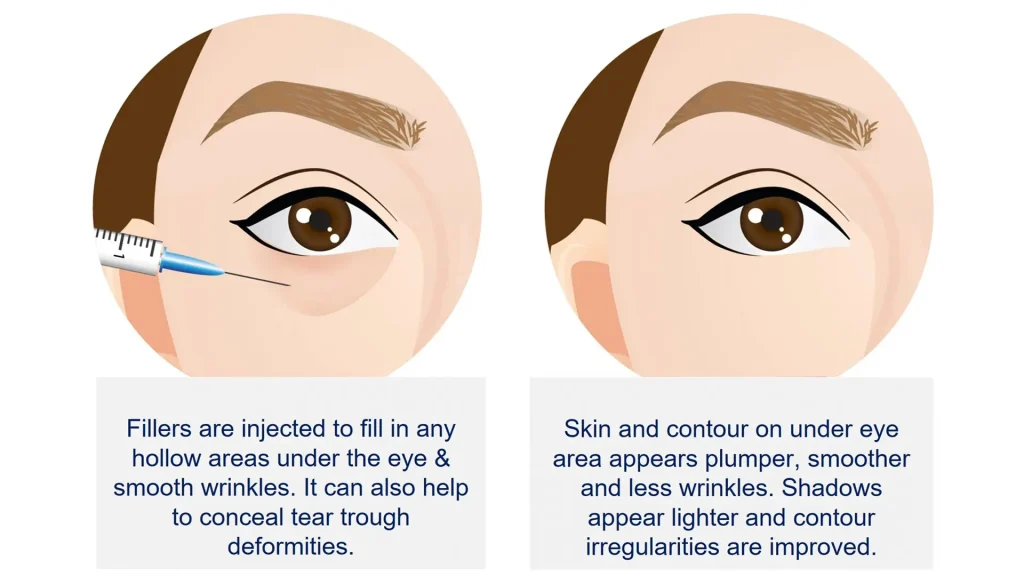
One of the most common reasons patients seek under-eye fillers is to address dark circles. These shadows are often caused by hollow tear troughs that create a visible depression between the lower eyelid and the upper cheek. By filling this hollow area with hyaluronic acid filler, the shadow is reduced, and the transition between the eyelid and cheek becomes smoother, dramatically diminishing the appearance of dark circles.
Smoother Skin Texture
Hyaluronic acid has a remarkable ability to attract and retain moisture in the skin. When injected into the under-eye area, HA fillers not only add volume but also hydrate the surrounding tissue, leading to smoother, more supple skin. This hydrating effect can improve the overall texture and quality of the delicate under-eye skin over time.
Volume Restoration
As we age, the fat pads beneath our eyes naturally diminish, leading to a sunken, hollowed-out appearance. Under-eye fillers restore this lost volume, filling in the gaps and creating a more youthful, well-rested look. The results can take years off your appearance and help you look as vibrant as you feel.
Immediate Results and Minimal Downtime
Unlike surgical options, under-eye filler treatments typically take less than an hour to complete, and results are visible immediately. Most patients can return to their normal activities the same day, making it an ideal “lunchtime procedure” for busy individuals. While some mild swelling or bruising may occur, these effects are temporary and typically resolve within a few days.
Reduced Sagging Skin
Strategic placement of dermal fillers can provide structural support to the under-eye area, helping to lift and firm sagging skin. By restoring volume to key areas, fillers create a subtle lifting effect that reduces the appearance of under-eye bags and loose skin, contributing to a more toned and youthful facial profile.
Considering Under Eye Filler Treatment
If you’re considering under-eye fillers, it’s important to understand what the treatment involves and what to expect. Softer HA fillers are generally recommended for the tear trough area due to the thin, delicate nature of the skin in this region. However, for patients with more profound volume loss, a thicker HA formulation may be used in combination. A consultation with a qualified professional like Idelsis Trelles, PA-C, is essential to determine the best approach for your unique needs.
The Procedure
The under-eye filler procedure is straightforward and designed for patient comfort.
- Consultation: Your practitioner will assess your under-eye area, discuss your goals, review your medical history, and recommend the most appropriate filler type and technique.
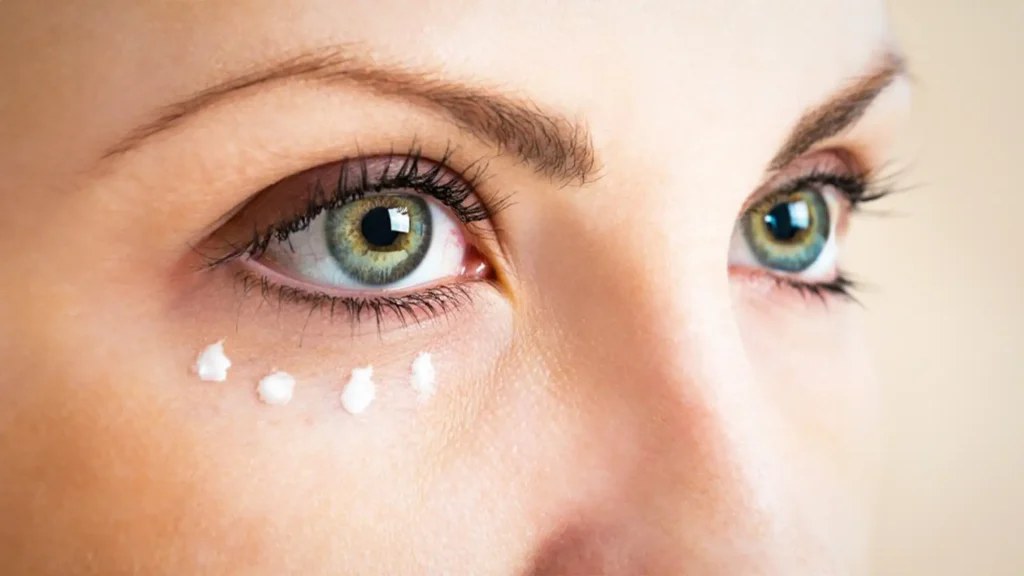
- Preparation: A topical anesthetic cream is applied to the under-eye area to minimize discomfort during the injection process. This is left on for approximately 15–20 minutes.
- Injection: Using a fine needle or cannula, the filler is carefully injected into the targeted areas beneath the eyes. Your practitioner will use precise techniques to ensure even distribution and natural-looking results.
- Assessment: After the injections, your practitioner will assess the results and may gently massage the area to ensure smooth, even placement of the filler.
What to Expect Post-Treatment
After your under-eye filler treatment, it is normal to experience some mild side effects as the area heals.
- Redness and swelling: Mild redness and swelling at the injection sites are common and typically subside within a few days.
- Bruising: Some bruising may occur, particularly in the delicate under-eye area. This usually resolves within one to two weeks.
- Tenderness: The treated area may feel tender to the touch for a few days following the procedure.
To ensure the best results, avoid direct sun exposure, strenuous exercise, and excessive heat (saunas, hot tubs) for 24–48 hours after treatment. Sleeping with your head slightly elevated can also help minimize swelling.
Alternative Treatments to Dermal Fillers
While dermal fillers are an excellent option for under-eye rejuvenation, they are not the only solution available. Depending on your specific concerns, goals, and anatomy, one of the following alternatives may be more appropriate.
Fat Transfer for Under Eyes
Fat transfer, also known as autologous fat grafting, involves harvesting fat from another area of your body (such as the abdomen or thighs) through liposuction, processing it, and then injecting it into the under-eye area. This approach offers several advantages:
- Natural results: Since the filler material is your own fat, the results look and feel extremely natural.
- Longer-lasting: Fat transfer results can potentially last for years, as the transplanted fat cells integrate into the surrounding tissue.
- Lower allergy risk: Using your own tissue eliminates the risk of allergic reactions associated with synthetic materials.
Platelet-Rich Plasma (PRP) Treatment
PRP therapy uses your own blood to promote natural healing and rejuvenation. A small blood sample is drawn, processed to concentrate the platelets, and then injected into the under-eye area. PRP stimulates collagen production and improves skin quality, texture, and tone. While PRP may not provide the immediate volumizing effects of dermal fillers, it offers gradual, natural improvement in skin quality that can complement filler treatments.
Synthetic Fillers and Other Methods
Beyond hyaluronic acid fillers, other options include poly-L-lactic acid injections, which stimulate collagen production for gradual, long-lasting improvement. For patients with significant under-eye bags or excess skin, surgical options such as transconjunctival blepharoplasty may be recommended. This procedure removes or repositions fat and tissue from the lower eyelid through an incision inside the eyelid, leaving no visible scarring.

Factors Influencing the Choice of Treatment
Choosing the right under-eye treatment depends on several key factors. Understanding these considerations will help you and your practitioner select the most appropriate approach for your needs.
- Recovery Time: If you prefer minimal downtime, hyaluronic acid fillers are ideal, as most patients resume normal activities immediately. Fat transfers and surgical options typically require a longer recovery period.
- Natural vs. Synthetic: Some patients prefer treatments using their own biological materials, such as fat transfers or PRP therapy. Others may opt for the convenience and predictability of synthetic or HA-based fillers.
- Budget: Treatment costs vary significantly. HA fillers tend to be more affordable per session, while fat transfers and surgical procedures have higher upfront costs but may offer longer-lasting results. Consider the total cost of maintenance over time when comparing options.
Understanding the Essence of Eye Fillers
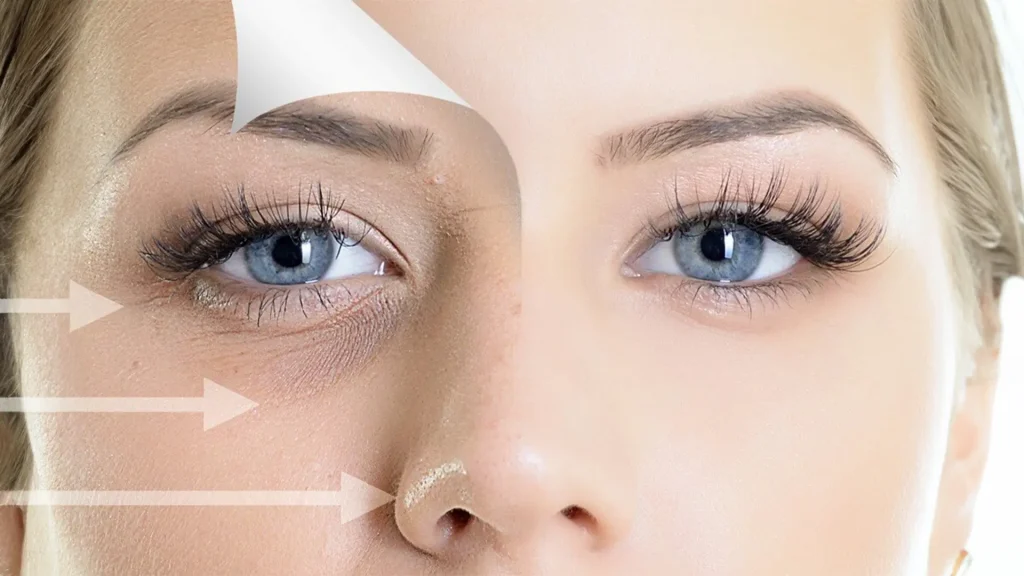
Eye fillers have revolutionized the approach to under-eye rejuvenation. At their core, these treatments address the fundamental changes that occur in the periorbital area as we age: loss of volume, thinning of the skin, and weakening of the supportive structures beneath the eyes. By carefully restoring volume and support, eye fillers can turn back the clock without the need for invasive surgery. The key to successful outcomes lies in selecting the right product, the right technique, and the right practitioner.
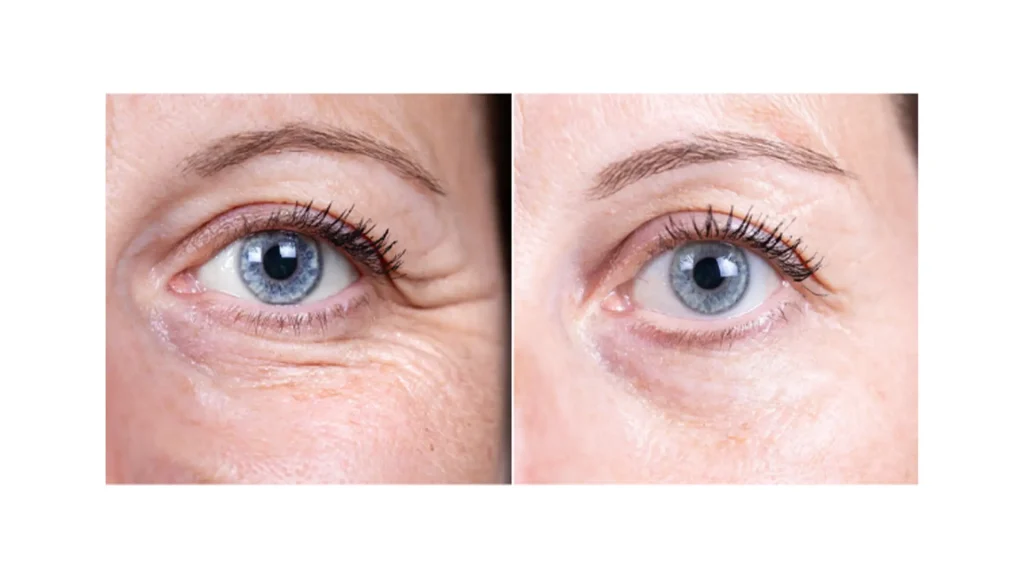
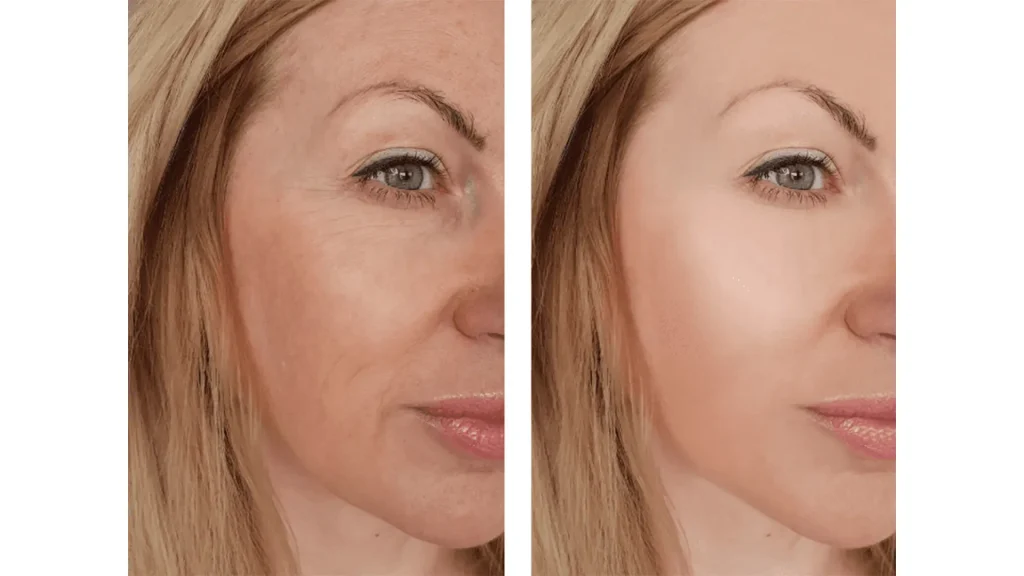
Before and After
Seeing real results can help you understand the transformative potential of under-eye filler treatments. Below are examples of patients who have undergone dermal filler treatment at our clinic.
Recap on Hyaluronic Acid Fillers
Hyaluronic acid fillers remain the most widely used and recommended option for under-eye rejuvenation. Their ability to add volume to the soft tissue beneath the eyes while simultaneously hydrating the skin makes them uniquely suited for this delicate area. HA fillers offer a reversible solution – if you’re not satisfied with the results or experience any complications, the filler can be dissolved with an enzyme called hyaluronidase. This safety net provides peace of mind for both patients and practitioners, making HA fillers the preferred starting point for most under-eye filler treatments.
The Array of Choices in Cosmetic Treatments
The landscape of under-eye cosmetic treatments has expanded dramatically in recent years. From hyaluronic acid eye fillers and synthetic volumizers to surgical options like blepharoplasty, fat transfers, and regenerative treatments like PRP, patients now have more choices than ever before. Each treatment comes with its own set of benefits, considerations, and ideal candidates. The key is working with a knowledgeable practitioner who can guide you through these options and help you choose the approach that aligns best with your goals, timeline, and budget.
A Tailored Approach
Every face is unique, and what works beautifully for one person may not be the ideal solution for another. This is why a tailored, individualized approach is so important in under-eye treatments. Factors such as your facial anatomy, skin thickness, degree of volume loss, skin quality, and personal aesthetic goals all play a role in determining the optimal treatment plan. Working with a board-certified physician or experienced practitioner like Idelsis Trelles, PA-C ensures that your treatment is customized to your specific needs, maximizing results while minimizing risks.
“The best results come from a treatment plan tailored to your unique facial anatomy and aesthetic goals. There is no one-size-fits-all approach to under-eye rejuvenation.”
Concluding Thoughts
Among the many options available for under-eye rejuvenation, dermal fillers stand out for their efficiency, minimal invasiveness, and immediate results. Whether you’re dealing with dark circles, hollowness, fine lines, or sagging skin, under-eye fillers can provide a significant improvement in your appearance and confidence. The procedure is quick, relatively comfortable, and requires virtually no downtime, making it accessible to almost anyone seeking a refreshed, more youthful look.
If you’re considering under-eye fillers, the most important step is to consult with a qualified, experienced practitioner who can assess your needs and recommend the best treatment approach. At Femme Aesthetics, our team is dedicated to helping you achieve your aesthetic goals with personalized care and expert technique. Schedule a consultation today and take the first step toward brighter, more youthful-looking eyes.
“Under-eye fillers offer a remarkable balance of effectiveness, safety, and convenience – helping you look as vibrant and rested as you feel.”
What this costs at Femme
| Treatment | Non-member | Member |
|---|---|---|
| Dermal filler — per syringe | $850 | $750 |
| Morpheus8 — under eyes | $300 | — |
Prices are per treatment unless noted, and come straight from our pricing page. Member rates come through the membership program. How much product a result takes is settled at consultation — book one and we will quote you before anything begins.