
Biopolymers are transforming industries by offering renewable, biodegradable, and highly versatile alternatives to traditional materials. In the biomedical world, biopolymers are leading advancements in drug delivery, tissue engineering, and other high-value applications. This systematic review explores the vast landscape of biopolymers, their medical applications, their properties, and how they are revolutionizing not just healthcare but also industries like food packaging and the environment.
If you’re seeking expert consultations on innovative treatments that often involve cutting-edge biomaterials, you can schedule an appointment with Femme Aesthetics in Miami, FL, where healthcare innovation is at the forefront.
Introduction to Biopolymers
What Are Biopolymers?
Biopolymers are naturally occurring polymers produced by living organisms such as plants, animals, and microorganisms. These substances are formed by monomeric units that are covalently bonded, creating long-chain molecules with unique mechanical properties. Unlike synthetic polymers made from petroleum products, biopolymers are environmentally friendly and often biodegradable, making them highly desirable across various industries.
Examples of biopolymers include cellulose from plants, chitosan derived from crustaceans, and proteins such as silk and collagen. Polysaccharides are biopolymers that play crucial roles in the plant cell wall, offering structural integrity and strength.
Biopolymers are currently used not only in the medical field but also in packaging, textiles, and industrial applications, showcasing their wide range of applications.
Classification of Biopolymers
Biopolymers can be classified based on their source and chemical composition into three major categories:
- Polysaccharides: Like cellulose and starch
- Proteins: Such as collagen and gelatin
- Nucleic Acids: DNA and RNA, essential for genetic information transfer
There are also synthetic biopolymers, designed to mimic natural biopolymers, but produced through controlled industrial processes.
The classification of biopolymers plays a crucial role in selecting the right type for specific applications, especially in biomedical fields where biocompatibility and mechanical properties are vital.
Sources and Sustainability of Biopolymers
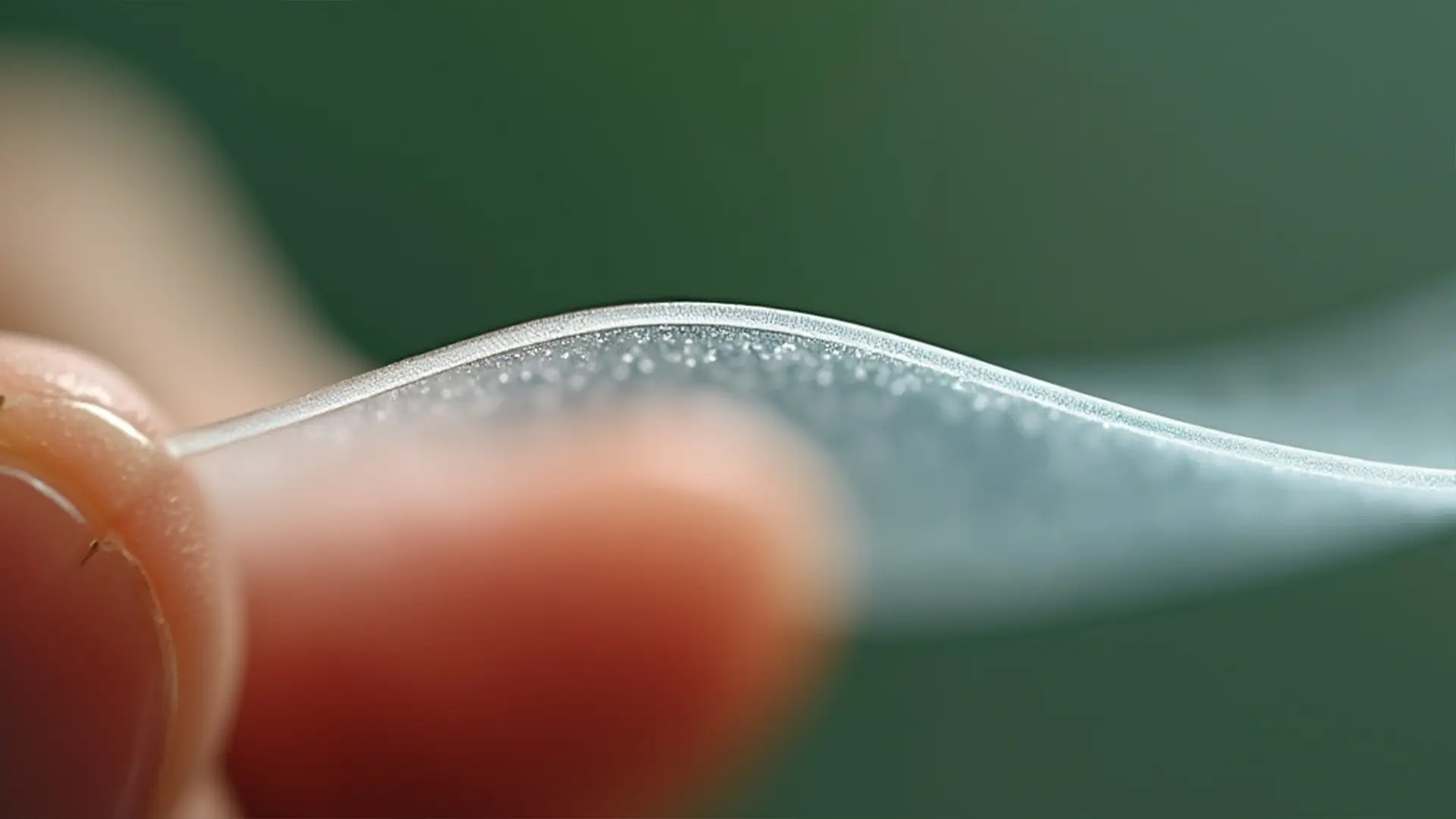
Biopolymers originate from renewable sources, such as plants, algae, bacteria, and fungi. Microorganisms are particularly important, as they produce biopolymers like polyhydroxyalkanoates (PHAs) under specific growth conditions.
The production of biopolymers emphasizes environmentally friendly practices, reducing reliance on packaging materials made from non-renewable resources. This shift supports the development of biodegradable packaging options, especially for food packaging applications.
Properties and Characteristics of Biopolymers
Key Properties of Biopolymers
Biopolymers exhibit unique mechanical properties that make them suitable for a range of applications. They are often lightweight, flexible, strong, and capable of forming films or fibrous structures. Other important properties include:
- Biodegradability: Essential for environmentally friendly solutions.
- Biocompatibility: Vital for medical and tissue engineering applications.
- Renewability: Derived from living organisms, reducing environmental impact.
The properties and potential applications of biopolymers have positioned them as leading materials in industries focused on sustainability and innovation.
Importance in Various Industries
The range of applications for biopolymers is impressive, encompassing:
- Biomedical applications like drug delivery and tissue scaffolds
- Food packaging materials offering biodegradable solutions
- Environmental applications reducing waste
- Textile innovations creating sustainable fabrics
Biopolymer-based materials are suitable for high-value applications that demand both performance and environmental responsibility.
Biopolymers in the Food Industry and Packaging
Applications in the Food Industry

The food industry increasingly relies on biopolymers to create safer, more sustainable products. Food biopolymers are used to extend shelf life, improve food safety, and reduce plastic waste.
Applications in food include edible coatings, biodegradable trays, and packaging films that replace conventional plastics.
Biopolymers are used extensively in the food industry to produce packaging materials that are compostable and safer for human health.
Biopolymers for Food Packaging
Biopolymers for food packaging address a major environmental issue: the overuse of plastic. Packaging materials made from biopolymers decompose naturally, offering an eco-friendly alternative to synthetic plastics.
Food packaging films made from natural biopolymers provide excellent barrier properties, helping to preserve the quality and shelf life of food products without harming the environment.
Examples of films for food packaging applications include:
- Starch-based films: Excellent for packaging dry foods.
- Chitosan coatings: Effective antimicrobial properties.
- Protein films: Such as whey protein-based films offering flexibility.
Films for food packaging created from biopolymers are revolutionizing the packaging industry by offering safe, effective, and biodegradable options.
Advances in Packaging Film Technology
Innovations in biopolymer film development focus on enhancing mechanical strength, water resistance, and barrier properties. Active packaging is one such innovation, incorporating agents that absorb oxygen or release antimicrobial substances to further extend the shelf life of food products.
Packaging for food is becoming smarter and more sustainable, thanks to continuous research into biopolymers’ properties.
If you want to explore innovative treatments supported by the latest biotechnologies, you can also contact Femme Aesthetics or email them to learn more.
Biopolymers for Biomedical Applications
Biomedical Biopolymers and Applications

Biopolymers have demonstrated tremendous potential in a variety of biomedical applications due to their natural origin, biocompatibility, and mechanical properties. Their ability to mimic the extracellular matrix has made them crucial in areas like tissue engineering, wound healing, and regenerative medicine.
Biomedical biopolymers such as collagen, gelatin, and alginate provide excellent scaffolding materials, promoting cell proliferation and tissue regeneration. Their mechanical properties can be tailored to match the tissue being targeted, making them adaptable for diverse treatments.
The PA-C and Co-Founder of Femme Aesthetics in Miami, FL, Idelsis Trelles, emphasizes the importance of using biocompatible materials for safe and effective patient outcomes.
Pharmaceutical and Biomedical Applications
Pharmaceutical and biomedical applications of biopolymers extend to:
- Drug Delivery Systems: Biopolymers control the release of drugs over time, improving therapeutic effectiveness.
- Tissue Engineering: They provide scaffolds that support the growth of new tissues.
- Medical Devices: Biopolymer coatings enhance biocompatibility and reduce rejection rates.
Examples of biopolymers include hyaluronic acid and chitosan, both widely used in injectable gels for tissue engineering and dermal fillers.
Biopolymers are a preferred choice in pharmaceutical and biomedical applications due to their ability to safely interact with living organisms without causing adverse reactions.
Variety of Biomedical Applications
A variety of biomedical applications rely heavily on biopolymers:
- Sutures and Surgical Threads: Biodegradable sutures made from polyglycolic acid.
- Wound Dressings: Films and hydrogels accelerate healing.
- Orthopedic Devices: Biopolymer-based screws and pins degrade safely inside the body.
The medical and industrial applications of biopolymers are steadily growing as research highlights new uses. Innovations in drug delivery systems allow for targeted therapies, minimizing side effects while enhancing patient outcomes.
Types and Examples of Biopolymers
Common Biopolymers
| Biopolymer | Source | Key Applications |
|---|---|---|
| Collagen | Animal connective tissue | Biomedical scaffolds, cosmetic fillers |
| Chitosan | Shells of crustaceans | Drug delivery, wound dressings |
| Cellulose | Plant cell walls | Food packaging, textiles |
| Starch | Plants (e.g., corn, potato) | Biodegradable plastics, packaging |
| Polylactic Acid (PLA) | Fermented plant starch | 3D printing, biodegradable packaging |
Biopolymers are natural materials that deliver sustainable solutions for a wide range of applications.
Biodegradable Biopolymers
Biodegradable biopolymers are essential in combating the growing problem of plastic pollution. Unlike synthetic polymers, these materials break down naturally, reducing environmental impact.
Applications include:
- Packaging Film: Biodegradable films used in the food industry.
- Agriculture: Mulch films that decompose after use.
- Medical Devices: Temporary implants that eliminate the need for removal surgery.
The production of biopolymers from renewable resources strengthens global efforts to create environmentally friendly alternatives across industries.
Biopolymers Used Across Industries
Biopolymers used in different sectors illustrate their versatility:
- Textile Industry: Biopolymer fibers create sustainable clothing.
- Food Industry: Biopolymers for food packaging minimize contamination risks.
- Biomedical Field: Variety of biomedical applications enhance treatment outcomes.
Biopolymers are currently used not only for their biodegradability but also for their mechanical resilience and adaptability to different environmental conditions.
Innovations and Trends
Biopolymer Research and Development
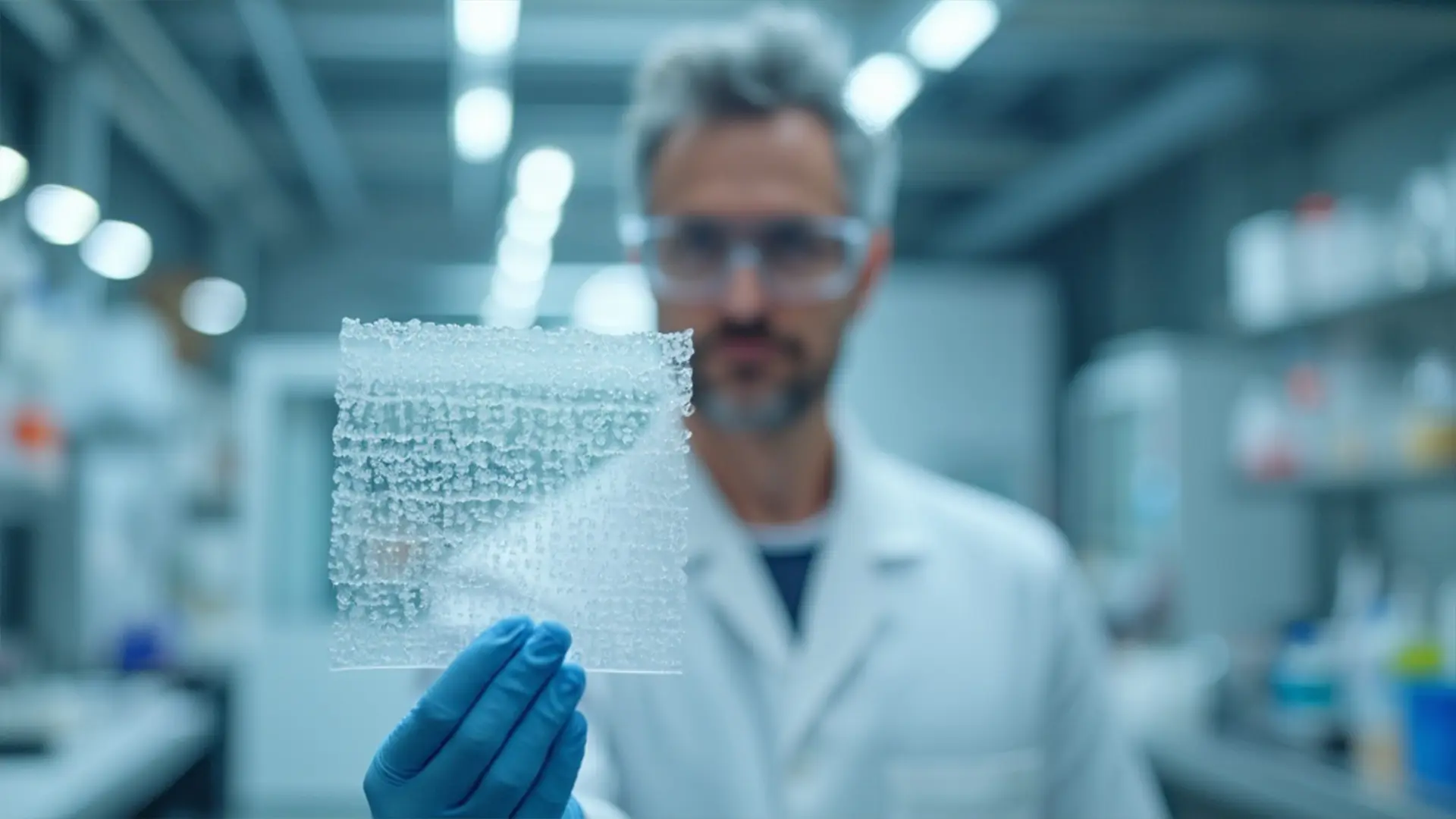
Current biopolymer research focuses on enhancing their mechanical properties, biocompatibility, and sustainability. Key areas include:
- Composite Materials: Combining biopolymers with nanoparticles for enhanced strength.
- Smart Polymers: Responsive to environmental stimuli like pH or temperature.
- Bioactive Films: Incorporating antimicrobial agents into food packaging.
The uses of biopolymers continue to expand as industries look for materials suitable for high-value applications, especially in healthcare and environmental solutions.
International Conferences and Studies
International conferences serve as platforms for showcasing innovations in biopolymer technology. One example is the International Conference on Biopolymers and Bioplastics, where researchers present new findings on biopolymer based solutions.
Studies featured in reputable sources like the Wiley Online Library and other scientific journals provide critical insights into the systematic review of biopolymer properties and applications.
“Biopolymers offer a sustainable and versatile alternative to conventional polymers, with potential applications in environmental, food, and biomedical sectors.”
These findings support the view that biopolymers can be classified as one of the most promising material innovations of our time.
Environmental Applications and Sustainability
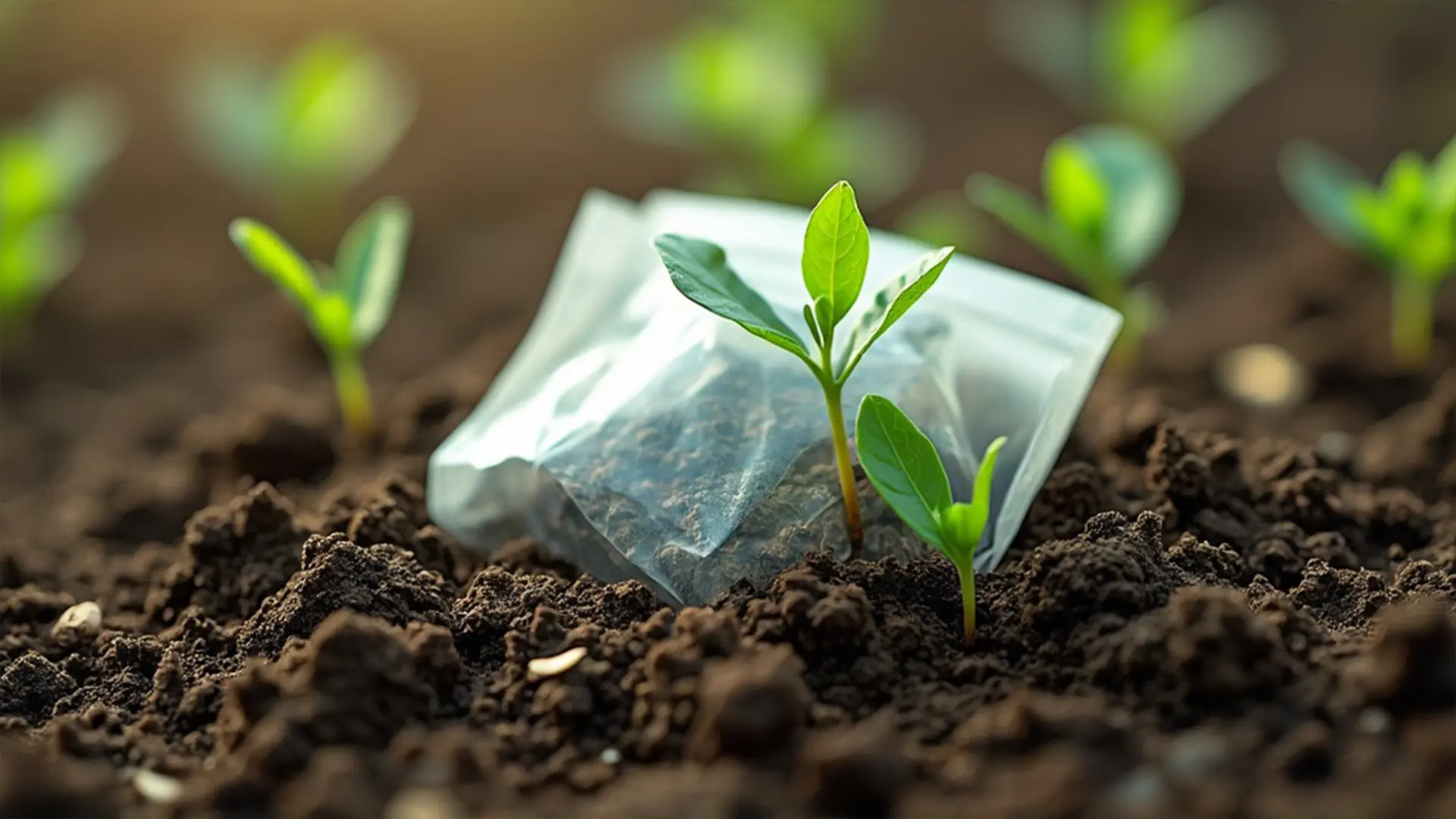
Biopolymers contribute significantly to environmental applications:
- Water Purification: Biopolymer-based membranes remove contaminants.
- Biodegradable Packaging: Reducing reliance on plastics used in the food industry.
- Agricultural Films: Supporting crop growth while decomposing naturally.
By replacing packaging materials made from non-renewable resources, biopolymers reduce carbon footprints and align industries with global sustainability goals.
If you’re inspired by sustainable innovations, you can schedule an appointment to discover how modern biomedical treatments also embrace eco-friendly technologies.
For general inquiries, feel free to call Femme Aesthetics or view their complete services.
Future of Biopolymers
Potential Applications and Opportunities
The future of biopolymers is filled with a wide range of applications across industries that are seeking sustainable alternatives. The combination of renewable sources, biodegradability, and functional versatility makes biopolymers an essential material in modern innovation.
Potential applications include:
- Advanced Drug Delivery Systems: Smart biopolymer systems that respond to environmental triggers.
- Tissue Engineering: Improved scaffolds with enhanced cell proliferation capabilities.
- Sustainable Packaging: Fully compostable materials for industrial and consumer use.
- Textile Industry Innovations: Biopolymer fibers for clothing that biodegrade without harming ecosystems.
For individuals exploring cutting-edge treatments in the biomedical space, contact Femme Aesthetics to learn more about personalized options that incorporate the latest innovations.
Biopolymers in Medical Applications
Medical applications of biopolymers continue to expand, offering exciting possibilities for improving patient outcomes.
Examples of advancements:
- Drug Delivery: Biopolymers serve as carriers, ensuring precise targeting and controlled release.
- Tissue Engineering: Biopolymer scaffolds closely replicate natural tissue structures.
- Wound Care: Smart wound dressings using natural biopolymers speed up healing.
You can email Femme Aesthetics for more information on services that align with innovative biomedical solutions.
Highlighting Key Biopolymer Applications
Industrial and Environmental Impact
Biopolymers play a crucial role in environmental and industrial applications:
- Environmental Cleanup: Biopolymer membranes for water purification and pollutant removal.
- Agriculture: Biodegradable films that eliminate the need for plastic removal post-harvest.
- Construction: Biopolymer composites used in sustainable building materials.
Comparison Table: Natural vs Synthetic Biopolymers
| Feature | Natural Biopolymers | Synthetic Biopolymers |
|---|---|---|
| Source | Living organisms (plants, animals) | Man-made using biological monomers |
| Biodegradability | High | Varies depending on design |
| Biocompatibility | Generally excellent | Requires careful engineering |
| Examples | Collagen, Chitosan, Cellulose | PLA, PCL, PEG |
| Applications | Biomedical scaffolds, packaging, textiles | Medical devices, drug delivery systems |
Properties and Performance Enhancement
Scientists are actively improving the mechanical properties of biopolymers to meet higher demands. Strategies include:
- Blending Biopolymers: Mixing natural polymers to enhance elasticity or strength.
- Crosslinking: Chemically bonding polymer chains to improve durability.
- Nanocomposite Formation: Integrating nanoparticles to create stronger materials.
Real-World Biopolymer Usage
Biopolymers in Food Packaging Applications
The food packaging industry is rapidly adopting biopolymers as a solution to plastic pollution.
Films for food packaging applications are made using materials such as:
- Starch-Based Films: Biodegradable and cost-effective.
- Chitosan Films: Antimicrobial properties extend shelf life.
- Protein Films: Improve mechanical properties for better packaging durability.
If you are curious about modern, eco-friendly treatments supported by science, you can schedule an appointment with Femme Aesthetics in Miami.
Meat Products and Active Packaging
When it comes to meat products, active packaging incorporating biopolymers plays a crucial role in preserving freshness and preventing contamination.
Key advantages include:
- Oxygen Scavenging: Reducing spoilage caused by oxidation.
- Antimicrobial Action: Preventing bacterial growth.
- Moisture Regulation: Maintaining product texture and quality.
Key Insights from Systematic Reviews and Studies
Systematic Review Findings
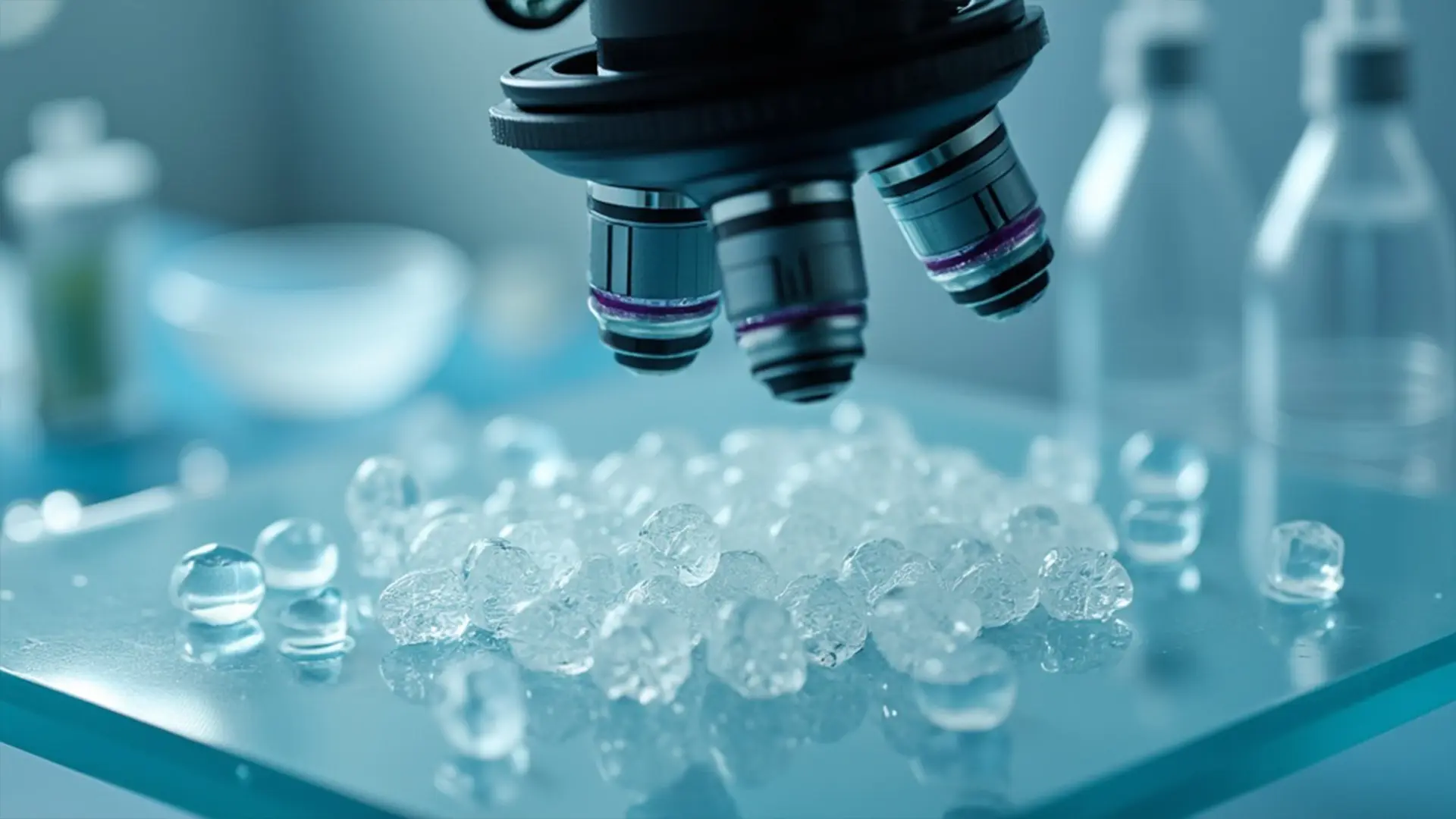
A systematic review of biopolymer research highlights several key findings:
- Biopolymers are essential for drug delivery, tissue engineering, and food packaging innovations.
- New derivative products are being created by combining different types of biopolymers for enhanced performance.
- Biopolymer based materials are increasingly replacing traditional plastics in a wide range of industries.
Sources of Biopolymers and Their Versatility
Sources of biopolymers include:
- Plants: Cellulose, starch, lignin.
- Animals: Collagen, chitosan.
- Microorganisms: PHAs, bacterial cellulose.
Conclusion: The Expanding Role of Biopolymers
Biopolymers are emerging as one of the most significant material innovations of the modern age. Their ability to replace conventional synthetic polymers while offering superior biocompatibility, biodegradability, and mechanical properties positions them at the heart of major advancements across biomedical, pharmaceutical, food, and industrial sectors.
From drug delivery systems to environmentally friendly packaging solutions, the range of applications for biopolymers is vast and constantly evolving. Researchers have demonstrated that biopolymers can be classified into diverse categories based on their sources and structural properties, each suited to specific uses.
Their potential for creating biodegradable packaging, innovative films for food packaging, and advanced delivery and tissue engineering systems further cements their value. Industries that once depended heavily on packaging materials made from non-renewable resources now turn to biodegradable biopolymers to meet regulatory demands and consumer expectations for sustainability.
“Biopolymers offer not only a viable alternative to petroleum-based plastics but also present groundbreaking possibilities in medicine, food safety, and environmental protection.”
If you are interested in advanced biomedical solutions that integrate the latest safe and sustainable materials, schedule an appointment with the experts at Femme Aesthetics in Miami, FL.
For any questions or to learn more, contact Femme Aesthetics or email their team directly. Alternatively, you can call for personalized assistance or view their full list of services.