If you’ve ever experienced heel pain that just won’t go away, you might be suffering from plantar fasciitis. This common condition affects millions of people, making every step feel like walking on sharp needles. Traditional treatment for plantar fasciitis includes physical therapy, orthotics, and even steroid injections, but for some, these methods don’t provide lasting relief.
A new approach gaining attention is botox for plantar fasciitis. Originally known for its cosmetic applications, botulinum toxin type injections have shown promise in relieving foot pain by relaxing tight muscles and reducing inflammation. But how does it work? Who is a good candidate for botox? And most importantly, does it truly help alleviate plantar fasciitis pain?
Understanding Plantar Fasciitis
What is Plantar Fasciitis?
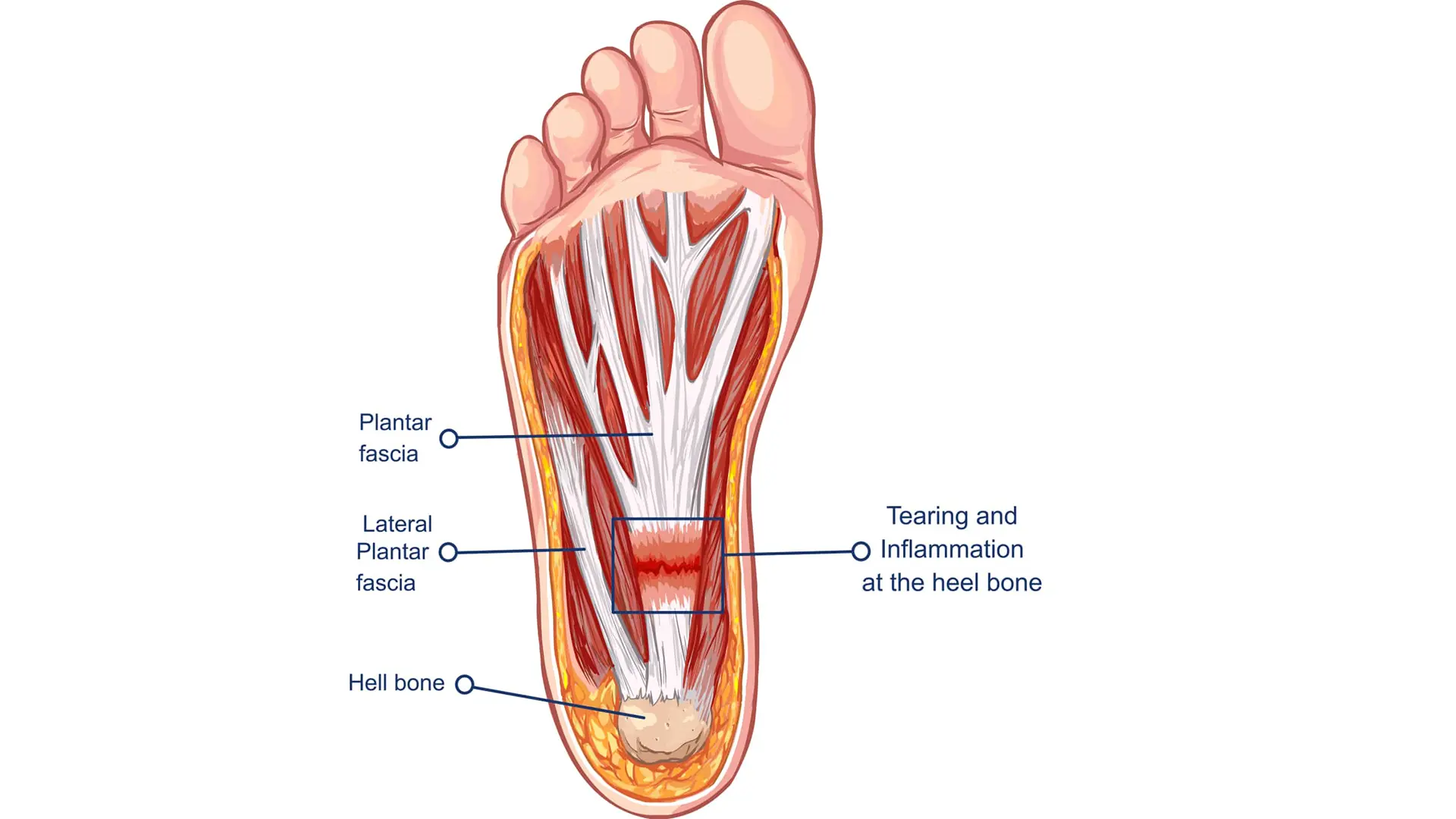
Plantar fasciitis occurs when the plantar fascia, a thick band of tissue that runs along the bottom of the foot, becomes irritated or inflamed. This can lead to chronic heel pain, particularly in the morning or after long periods of standing.
Symptoms of plantar fasciitis include:
- Sharp heel pain, especially with the first steps of the day.
- Tenderness along the underside of the foot.
- Increased discomfort after extended periods of inactivity.
What Causes Plantar Fasciitis?
Several factors contribute to plantar fasciitis, including:
- Excessive strain on the foot and ankle, often from running or prolonged standing.
- Poor footwear lacking arch support.
- High-impact activities that lead to irritation and pain in the plantar fascia.
If left untreated, suffering from plantar fasciitis can significantly impact daily activities. This is why exploring new treatment options, like botox injections for plantar fasciitis, has become essential.
For those seeking relief, Femme Aesthetics offers expert guidance and non-surgical treatment solutions. Book an appointment today to explore your options.
Botox as a Treatment for Plantar Fasciitis
How Botox Works for Plantar Fasciitis
Botulinum toxin (commonly known as botox) has long been used for cosmetic and medical purposes, but recent research has shown that botox injections for plantar fasciitis can significantly reduce heel pain and improve foot function.
How does botox help plantar fasciitis?
- Botox relaxes the plantar fascia, reducing excessive tension that contributes to inflammation.
- It blocks nerve signals that cause muscle tightness, decreasing pain.
- Studies have found botox injections reduced the need for more invasive treatments like plantar fasciotomy.
- Some experts suggest botox might work better than steroid injections for long-term relief.
According to the director of University Foot and Ankle Institute, clinical trials show that patients presented with plantar fasciitis reported improved mobility and decreased pain after treatment.
The Procedure: What to Expect
A botox injection for plantar fasciitis is a quick and non-surgical treatment performed by foot and ankle surgeons. Here’s what happens:
- Consultation – A specialist assesses whether you’re a good candidate for botox and determines the units of botox needed.
- Preparation – The affected foot is cleaned and marked at the target site.
- Injection Process – Botox is injected directly into the bottom of the foot, targeting the inflamed plantar fascia.
- Post-Injection Care – Mild swelling or discomfort around the injection site is normal. Patients are advised to avoid excessive walking for a few days.
Many people experience pain relief and improved movement within two weeks, making botox for plantar fasciitis a great treatment option for those seeking relief.
For expert care, schedule a consultation at Femme Aesthetics or call 786-250-4133.

Comparing Botox with Other Treatments
Botox vs. Conservative Treatments
Traditional treatment for plantar fasciitis often involves conservative treatment methods that focus on reducing strain on the plantar fascia. Some of these treatments include:
- Orthotics – Custom insoles that provide arch support and improve foot function.
- Physical therapy – Stretching and strengthening exercises to relieve foot pain and enhance foot and ankle ability.
- Extracorporeal shock wave therapy – A non-surgical treatment that uses sound waves to stimulate healing in the affected foot.
While these methods can be effective, they often require long-term commitment and may not provide immediate relief. Botox injections for plantar fasciitis offer a faster solution by directly targeting the muscle tightness and nerve pain associated with the condition.
A study comparing placebo saline injection with botox injections and analyzed their symptoms found that patients receiving botox treatment reported greater improvements in pain and improved mobility. This makes botox for plantar fasciitis a great treatment option for individuals struggling with chronic plantar fasciitis.
Botox vs. Surgical Options
For severe cases where conservative approaches fail, surgery may be considered. Plantar fasciitis surgery, also known as plantar fasciotomy, involves cutting part of the plantar fascia to relieve tension. While effective, surgery comes with risks such as prolonged recovery time and potential complications.
Using botox as an alternative can help avoid the need for surgical treatment by providing relief without invasive procedures. A clinical review found that 50 plantar fasciitis patients treated with botulinum toxin type experienced significant improvement without requiring surgery.
Conclusion
For individuals suffering from plantar fasciitis, the pain can be relentless, making everyday activities like walking or standing a challenge. While traditional methods such as orthotics, physical therapy, and steroid injections provide relief for some, others continue to experience chronic heel pain despite their best efforts. The introduction of botox for plantar fasciitis has opened up new possibilities for those seeking an effective, non-surgical treatment.
By targeting muscle tension and nerve pain, botulinum toxin type injections provide a unique solution that is gaining recognition among foot and ankle surgeons. Many studies have found botox to be beneficial in reducing discomfort and improving foot function. This innovative approach not only relieves irritation and pain but also decreases the risk of developing plantar fasciitis in the long run.
Unlike plantar fascia surgery, which can require weeks of recovery, botox injections for plantar fasciitis allow patients to return to daily activities with minimal downtime. Additionally, by addressing the underlying inflammation in the plantar fascia, this treatment may reduce the need for surgical treatment altogether.
At Femme Aesthetics, expert professionals offer botox treatment for various medical and aesthetic concerns, ensuring high-quality care in a comfortable environment. Those considering botox for plantar fasciitis can book an appointment today to explore their options.
For more details on treatment availability, botox cost, and whether insurance can cover botox, contact Femme Aesthetics or email their expert team. You can also reach out directly by calling 786-250-4133.
Taking the step toward pain relief and improved mobility starts with the right treatment. Whether dealing with recalcitrant plantar fasciitis or searching for a great treatment option, botox might be the solution that changes your life.