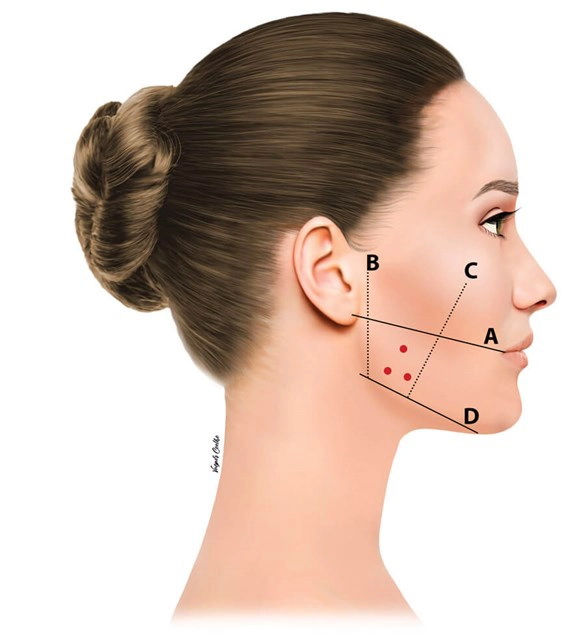
The depressor anguli oris muscle is a small yet powerful facial muscle that plays a critical role in how we express emotions. Responsible for pulling the corners of the mouth downward, this muscle is essential for conveying sadness, disapproval, and concentration. Understanding its anatomy, functions, and the disorders that can affect it is key for both medical professionals and individuals seeking aesthetic treatments. In this comprehensive guide, we’ll explore everything you need to know about the depressor anguli oris, from its structural anatomy to the latest treatment options available.
Key Takeaways
- The depressor anguli oris muscle enables expressions of sadness and disapproval by pulling the corners of the mouth downward.
- Dysfunction of this muscle can cause noticeable facial asymmetry and impact quality of life.
- Multiple treatment options exist, ranging from Botox injections to surgical intervention and physiotherapy.
- A professional understanding of facial anatomy is essential for safe and effective treatment outcomes.
Depressor Anguli Oris Muscle
Anatomy and Structure
The depressor anguli oris is a triangular facial muscle that originates from the oblique line of the mandible (lower jawbone). It inserts at the corners of the mouth, known as the oral commissure, where it intertwines with fibers of the orbicularis oris and the zygomaticus major muscles. This interconnection with surrounding muscles allows for the complex and nuanced movements we use in everyday facial expressions.
The muscle is innervated by the marginal mandibular branch of the facial nerve (cranial nerve VII), which provides the motor signals necessary for its contraction. Its positioning along the lower face makes it a key player in shaping the appearance of the mouth and lower cheeks.
Functions
The primary function of the depressor anguli oris is to pull the oral commissure (the corner of the mouth) downward and laterally. This action is critical for a range of facial expressions, including those associated with sadness, disapproval, deep concentration, and general displeasure. Without the proper functioning of this muscle, the full spectrum of human emotional expression would be significantly limited.
Beyond emotional expression, the depressor anguli oris also assists in certain functional movements of the mouth, such as those involved in speech articulation and eating. Its coordinated action with other perioral muscles ensures smooth and balanced facial movements.
Associated Disorders
When the depressor anguli oris muscle does not function properly, the consequences can be both cosmetic and functional. Dysfunction of this muscle can create noticeable facial asymmetry, where one side of the mouth droops or fails to move in synchrony with the other side. This asymmetry can affect a person’s appearance and self-confidence.
One of the most common conditions that impacts the depressor anguli oris is facial nerve palsy, which can result from Bell’s palsy, trauma, or surgical complications. When the facial nerve is compromised, the muscle loses its ability to contract properly, leading to a drooping appearance on the affected side of the face.

Anguli Oris Muscle: Beyond the Depressor
Interaction and Significance
The anguli oris region of the face involves more than just the depressor muscle. The levator anguli oris, which works in opposition to the depressor, pulls the corners of the mouth upward to create a smile. Together, these two muscles form a dynamic pair that allows for the full range of expressions around the mouth.
The interplay between the depressor anguli oris and the levator anguli oris is fundamental to facial balance. When one muscle is overactive or underactive relative to the other, the result can be a persistent frown, an asymmetric smile, or other cosmetic concerns that may prompt individuals to seek treatment.
Aesthetics and Medical Treatments
Botox injections have become one of the most popular and effective treatments for addressing overactivity of the depressor anguli oris muscle. By injecting small amounts of botulinum toxin into the muscle, practitioners can soften the downward pull at the corners of the mouth, reducing the appearance of marionette lines and creating a more pleasant, relaxed facial expression.
This treatment is particularly sought after by individuals who feel that their resting facial expression appears sad or angry due to the natural aging process, which can cause the depressor anguli oris to become more prominent over time. The results are typically visible within a few days and can last three to four months, making it a convenient option for ongoing facial rejuvenation.
Facial Nerve: The Conductor of Expression
Relationship with Facial Muscles
The facial nerve, also known as cranial nerve VII, is the master conductor of facial expression. It orchestrates the movement of all the muscles of facial expression, including the depressor anguli oris. The nerve branches into several divisions, with the marginal mandibular branch being specifically responsible for innervating the depressor anguli oris and other muscles of the lower face.
Understanding the pathway of the facial nerve is essential for any practitioner performing injectable treatments or surgical procedures in the facial region. Damage to the nerve during these procedures can lead to temporary or permanent impairment of muscle function, underscoring the importance of choosing a qualified and experienced provider.
Impact of Disorders on Muscle Function
When the facial nerve is damaged or compressed, the resulting disorder disrupts the delicate balance between the muscles it controls. In the case of the depressor anguli oris, facial nerve damage can lead to an inability to pull the mouth corners downward on the affected side, creating an asymmetric appearance during emotional expression.
Conditions such as Bell’s palsy, Ramsay Hunt syndrome, and traumatic nerve injuries can all impact the function of the depressor anguli oris. Early diagnosis and intervention are critical for achieving the best possible recovery outcomes. For a thorough evaluation, consider scheduling a consultation with our specialists.
The Symphony of Facial Muscles
Overview of Facial Musculature
The human face contains over 40 individual muscles, each contributing to the complex network of movements that allow us to communicate emotions, eat, speak, and interact with the world around us. These muscles are organized in layers and groups, working in concert to produce the thousands of distinct facial expressions we are capable of making.
The muscles of facial expression are unique in the body because they insert directly into the skin rather than connecting bone to bone. This characteristic allows them to create the subtle surface movements that we recognize as expressions of emotion.
Synergistic Muscles with Depressor Anguli Oris
The depressor anguli oris does not work in isolation. It operates in close coordination with several other facial muscles to produce balanced and natural-looking expressions. Key synergistic muscles include:
- Levator Anguli Oris: Acts as the primary antagonist, elevating the corners of the mouth to produce a smile.
- Depressor Labii Inferioris: Works alongside the depressor anguli oris to pull the lower lip downward, contributing to expressions of sadness and speech movements.
- Orbicularis Oris: The sphincter muscle of the mouth that controls lip pursing and closure, interacting closely with the depressor anguli oris at the oral commissure.
- Zygomaticus Major: Pulls the corners of the mouth upward and laterally during smiling, counterbalancing the action of the depressor anguli oris.
- Platysma: A broad sheet-like muscle of the neck that can assist the depressor anguli oris in pulling the mouth corners downward.
The Role in Non-Verbal Communication
Facial expressions are one of the most important forms of non-verbal communication. The depressor anguli oris plays a significant role in this process by enabling expressions that signal disapproval, contemplation, grief, and concern. Research in psychology and neuroscience has demonstrated that these expressions are universally recognized across cultures, highlighting the fundamental importance of muscles like the depressor anguli oris in human social interaction.
The ability to accurately read and produce facial expressions is essential for building social bonds, navigating interpersonal relationships, and conveying empathy. When the depressor anguli oris is impaired, it can affect not only a person’s appearance but also their ability to communicate effectively in social settings.

Diagnosing and Treating Depressor Anguli Oris Muscle Issues
Diagnostic Methods
Diagnosing issues with the depressor anguli oris muscle requires a combination of clinical assessment and advanced diagnostic tools. Practitioners typically begin with a thorough physical examination, observing the patient’s facial movements and noting any asymmetry or weakness.
Advanced imaging techniques, such as MRI and ultrasound, can provide detailed views of the muscle structure and help identify any abnormalities. Neurological assessments, including electromyography (EMG), may be used to evaluate the electrical activity of the muscle and the integrity of the facial nerve. These diagnostic methods together allow for an accurate diagnosis and informed treatment planning.
Treatment Options
Treatment for depressor anguli oris muscle issues varies depending on the underlying cause and severity of the condition. The most common treatment options include:
- Botox Injections: The most popular non-invasive option for addressing cosmetic concerns related to the depressor anguli oris. Botulinum toxin is injected directly into the muscle to temporarily reduce its activity, softening marionette lines and preventing the downward pull at the corners of the mouth.
- Surgical Procedures: For more severe cases, such as those resulting from nerve damage or congenital abnormalities, surgical intervention may be necessary. Procedures can include nerve grafting, muscle transfer, or other reconstructive techniques.
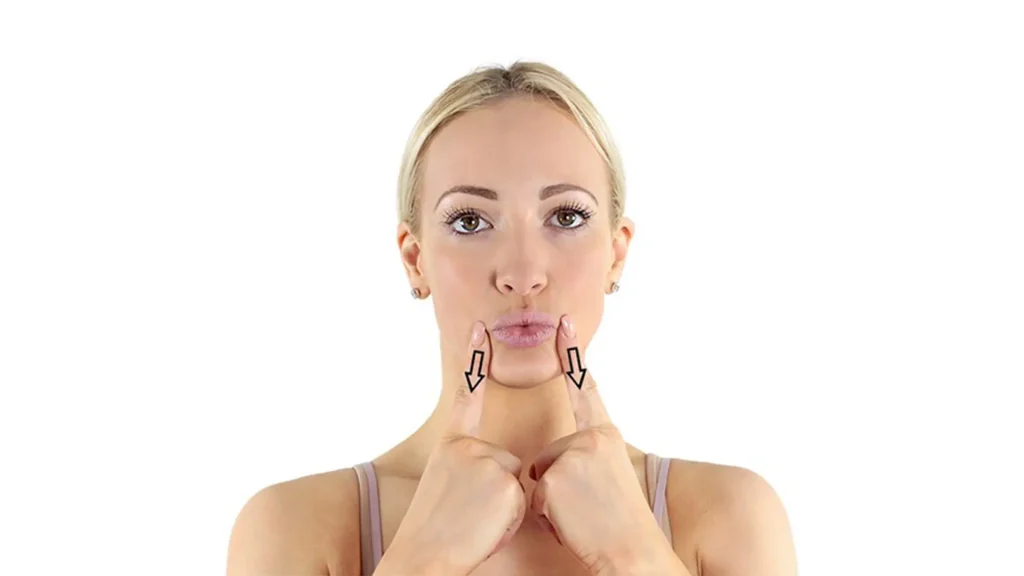
- Physiotherapy: Facial rehabilitation exercises and physiotherapy can help restore muscle function and improve symmetry, particularly after nerve injury or Bell’s palsy. These exercises focus on retraining the muscles to contract properly and regain balance.
For a personalized assessment and treatment recommendation, we encourage you to schedule an appointment with our experienced team at Femme Aesthetics.
The Aesthetic Importance of Depressor Anguli Oris
Cosmetic Procedures Targeting Depressor Anguli Oris
In the world of aesthetic medicine, the depressor anguli oris has become an increasingly important target for cosmetic procedures. As the face ages, the effects of gravity and repeated muscle contractions can cause the corners of the mouth to turn downward, creating a perpetually sad or displeased appearance. This effect is often accentuated by the formation of marionette lines, which run from the corners of the mouth down to the chin.
Botox and dermal fillers are two of the most effective tools for addressing these concerns. Botox works by reducing the activity of the depressor anguli oris, allowing the opposing levator muscles to lift the corners of the mouth into a more neutral or pleasant position. Dermal fillers, on the other hand, can be used to restore lost volume along the marionette lines and around the oral commissure, providing structural support and a smoother contour.
These treatments are best performed by an experienced practitioner with a deep understanding of facial anatomy. At Femme Aesthetics & Health, our team specializes in creating natural-looking results that enhance your features while maintaining facial harmony.
“Understanding the anatomy and function of the depressor anguli oris is the foundation for achieving beautiful, balanced results in facial aesthetics.”
Conclusion
The depressor anguli oris muscle may be small, but its impact on facial expression, aesthetics, and overall quality of life is profound. From its role in conveying emotions like sadness and displeasure to its significance in cosmetic treatments for marionette lines and facial asymmetry, understanding this muscle is essential for both patients and practitioners.
Whether you are experiencing functional issues related to facial nerve palsy or seeking cosmetic enhancement to address the signs of aging, a range of effective treatment options is available. Botox injections, dermal fillers, surgical interventions, and physiotherapy each offer unique benefits depending on your individual needs and goals.
At Femme Aesthetics, we are committed to providing expert, provider-led care that is tailored to your unique anatomy and aesthetic goals. To learn more about our approach to facial rejuvenation and how we can help you achieve a more balanced, refreshed appearance, visit our complete services list or schedule a consultation today.
What this costs at Femme
| Treatment | Non-member | Member |
|---|---|---|
| DAO — downturned mouth corners | $200 | $150 |
| Dermal filler — per syringe | $850 | $750 |
Prices are per treatment unless noted, and come straight from our pricing page. Member rates come through the membership program. How much product a result takes is settled at consultation — book one and we will quote you before anything begins.