Cosmetic enhancements using dermal fillers have become increasingly popular, offering quick and effective solutions for adding volume and contour to various facial areas. However, sometimes the results may not meet expectations, or complications can arise, leading to the need for a filler dissolver. Understanding the process and benefits of dissolving fillers is essential for those considering this corrective procedure.
What is a Filler Dissolver?
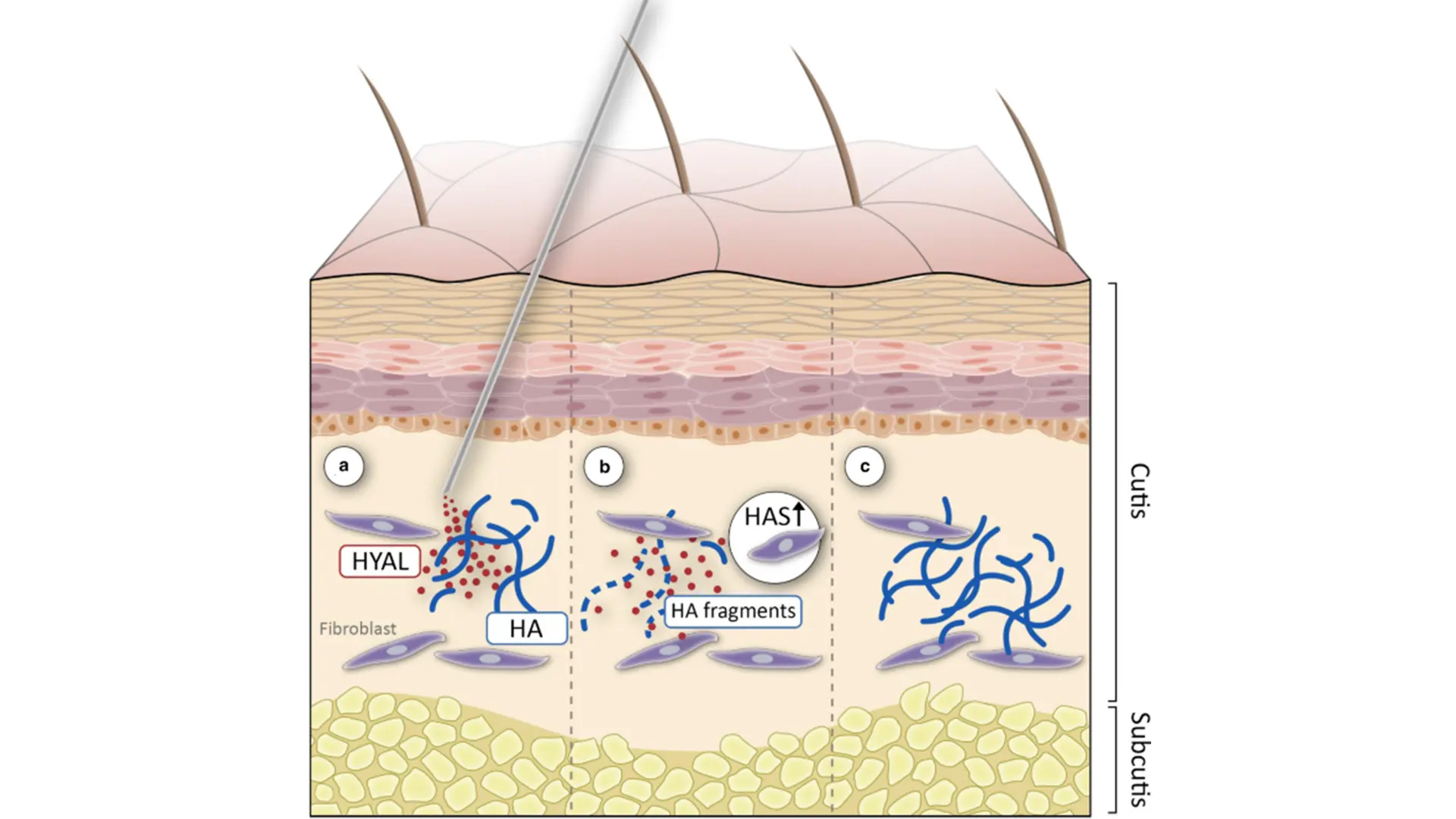
A filler dissolver such as Hylenex, is a solution specifically designed to break down hyaluronic acid fillers. Hyaluronic acid is a naturally occurring substance in the skin that helps maintain hydration and volume. When fillers, such as lip fillers or other dermal fillers, need to be removed or adjusted, hyaluronidase is injected to dissolve the filler safely and effectively.
Why Consider Dissolving Fillers?
Overfilling and Asymmetry
One of the main reasons people opt to dissolve fillers is due to overfilling or asymmetry. Sometimes, too much filler can be injected, resulting in an unnatural appearance. In other cases, the filler may not settle evenly, causing unevenness or lumps.
Adverse Reactions
In rare instances, individuals may experience an allergic reaction to the filler or develop complications such as bruising or swelling that does not subside. In these cases, dissolving the filler can alleviate these issues quickly.
Correcting Mistakes
Sometimes, the initial filler injections do not produce the desired results. Whether due to migration or placement errors, using a filler dissolver allows for corrections and adjustments, ensuring the final look meets the patient’s expectations.

How Does a Filler Dissolver Work?
Hyaluronidase: The Key Enzyme
Hyaluronidase is the enzyme used to dissolve hyaluronic acid fillers. This enzyme breaks down the filler material, allowing the body to absorb and eliminate it naturally. Hyaluronidase injections are administered directly into the area where the filler is located, effectively reversing the effects of the filler.
The Process of Dissolving Fillers
The dissolving process involves a series of steps to ensure the safe and effective removal of the filler:
- Consultation: A thorough consultation with a qualified practitioner, such as Idelsis Trelles, PA-C at Femme Aesthetics, is essential to determine the best approach for dissolving the filler.
- Preparation: The area is cleaned, and a numbing agent may be applied to minimize discomfort during the injection.
- Injection: The hyaluronidase is injected into the targeted area, where it begins to break down the hyaluronic acid.
- Observation: The practitioner monitors the area to ensure the filler is dissolving as expected and to address any immediate side effects.
For those considering a filler dissolver treatment, scheduling an appointment with a skilled injector is crucial. You can book a consultation with Idelsis Trelles, PA-C, at Femme Aesthetics.
Common Scenarios for Using a Filler Dissolver
Lip Filler
Lip fillers are among the most popular cosmetic procedures, offering a quick way to enhance lip volume and shape. However, issues can arise, such as overfilling or filler migration, where the filler moves from the original injection site. In such cases, a filler dissolver becomes essential. The process of using hyaluronidase to dissolve lip filler involves carefully injecting the enzyme into the lips to break down the hyaluronic acid filler, allowing the body to naturally absorb and eliminate it.
Dermal Filler
Dermal fillers can create beautiful, youthful contours, but sometimes the amount of filler used or its placement needs correction. Overfilled cheeks, unevenness, or unwanted lumps are common reasons people seek to dissolve their dermal fillers. The dissolving process for dermal fillers is similar to that of lip fillers. Hyaluronidase is injected into the area where the dermal filler was placed, breaking down the hyaluronic acid and restoring a more natural appearance.
Eye Filler
Eye fillers address under-eye hollows and dark circles, providing a refreshed look. However, the delicate area around the eyes can sometimes respond unpredictably to filler injections. Swelling, bruising, or filler migration can occur, necessitating a filler dissolver. Hyaluronidase injections in the tear trough area must be administered precisely to avoid complications and ensure the filler is dissolved effectively.

Consultation and Preparation
Importance of a Consultation
Before deciding to dissolve fillers, it is crucial to have a thorough consultation with a qualified practitioner. The consultation helps determine the necessity and appropriateness of the filler dissolver treatment. It also provides an opportunity to discuss any concerns, potential risks, and expected outcomes.
What to Discuss with Your Practitioner
During the consultation, several key topics should be covered:
- The type of filler used
- The location and amount of filler to be dissolved
- Any previous adverse reactions to fillers or hyaluronidase
- The practitioner’s experience with filler dissolving procedures
- Potential side effects and how they will be managed
A qualified practitioner, like Idelsis Trelles, PA-C at Femme Aesthetics, can provide expert advice and guidance throughout this process.
Preparing for the Procedure
Preparation for the dissolving process includes:
- Avoiding alcohol and blood-thinning medications, which can increase the risk of bruising
- Arranging for a patch test if you have a history of allergic reactions
- Discussing any medications or supplements you are currently taking
The Procedure: What to Expect
During the Procedure
On the day of the procedure, the following steps are typically followed:
- Cleaning the Area: The area where the filler will be dissolved is thoroughly cleaned.
- Application of Numbing Cream: To minimize discomfort, a numbing cream may be applied to the treatment area.
- Hyaluronidase Injection: The practitioner carefully injects the hyaluronidase into the area with unwanted filler.
- Observation: The area is monitored for immediate side effects and to ensure the filler is dissolving as expected.

Risks and Considerations
Potential Risks and Side Effects
Using a filler dissolver, particularly hyaluronidase, is generally safe but not without potential risks and side effects. Common side effects include swelling, redness, and bruising at the injection site. While these effects are typically mild and resolve within a few days, it’s important to be aware of more serious risks such as an allergic reaction. Individuals who are allergic to bee stings may be at higher risk for an allergic reaction to hyaluronidase because the enzyme is derived from similar proteins.
Managing Expectations
It is crucial to manage your expectations when considering the dissolving process. The amount of filler that needs to be dissolved, the type of filler used, and the location of the filler will all affect the results. Sometimes, multiple hyaluronidase injections may be necessary to achieve the desired outcome. Patients should discuss these factors in detail during their consultation to ensure they understand the potential results and the time it may take to see the full effects.
Recovery and Results
Immediate Recovery
After the filler dissolving procedure, patients may experience some swelling and redness, which typically subside within a few days. It’s advisable to avoid strenuous activities and exposure to extreme heat or cold immediately following the procedure. Gentle massage of the treated area, as recommended by the practitioner, can help reduce any minor side effects and promote faster healing.
Long-Term Results
The full effects of the hyaluronidase treatment may not be visible immediately. It may take several days to a couple of weeks for the filler to be fully broken down and absorbed by the body. Patients should have realistic expectations and wait at least two weeks before considering any further filler injections or other cosmetic procedures. In some cases, additional hyaluronidase injections may be required if the filler is still present after the initial treatment.
Alternatives to Filler Dissolvers
While hyaluronidase is a highly effective method for dissolving hyaluronic acid fillers, there are alternative approaches to consider. If the filler issue is minor, waiting for the natural hyaluronic acid to break down over time might be an option. This approach is slower but avoids the need for additional injections.
Adjusting Filler Placement
Sometimes, adjusting the placement of the filler can resolve issues without needing to dissolve it completely. Skilled practitioners can inject a small amount of filler to balance out asymmetry or smooth overfilled areas.
Gradual Filler Breakdown
Another alternative is to allow the filler to break down naturally. Hyaluronic acid-based dermal fillers typically last between six months to two years, depending on the type of filler used and the individual’s metabolism. During this period, the filler gradually decreases in volume, which might resolve some of the initial concerns.
Non-Invasive Options
Non-invasive treatments such as laser therapy or ultrasound can also help break down fillers, although these methods are less common and not suitable for all types of fillers. These procedures should only be considered after consulting with a qualified practitioner.
For more information or to book a consultation with a trusted practitioner, visit the Femme Aesthetics booking page.
Choosing the Right Practitioner
Selecting a skilled and experienced injector is essential for achieving the best results. A thorough consultation with a qualified professional, such as Idelsis Trelles, PA-C at Femme Aesthetics, ensures that all concerns and expectations are addressed.
Aftercare and Follow-Up
Post-procedure care is vital for optimal recovery and results. Following the dissolving process, patients should adhere to the aftercare instructions provided by their practitioner to minimize risks and promote healing.
Conclusion
Utilizing a filler dissolver offers a valuable solution for correcting or reversing the effects of hyaluronic acid fillers. Whether addressing issues of overfill, filler migration, or simply refining the results of previous filler treatments, the use of hyaluronidase provides a safe and effective method for managing facial enhancements.