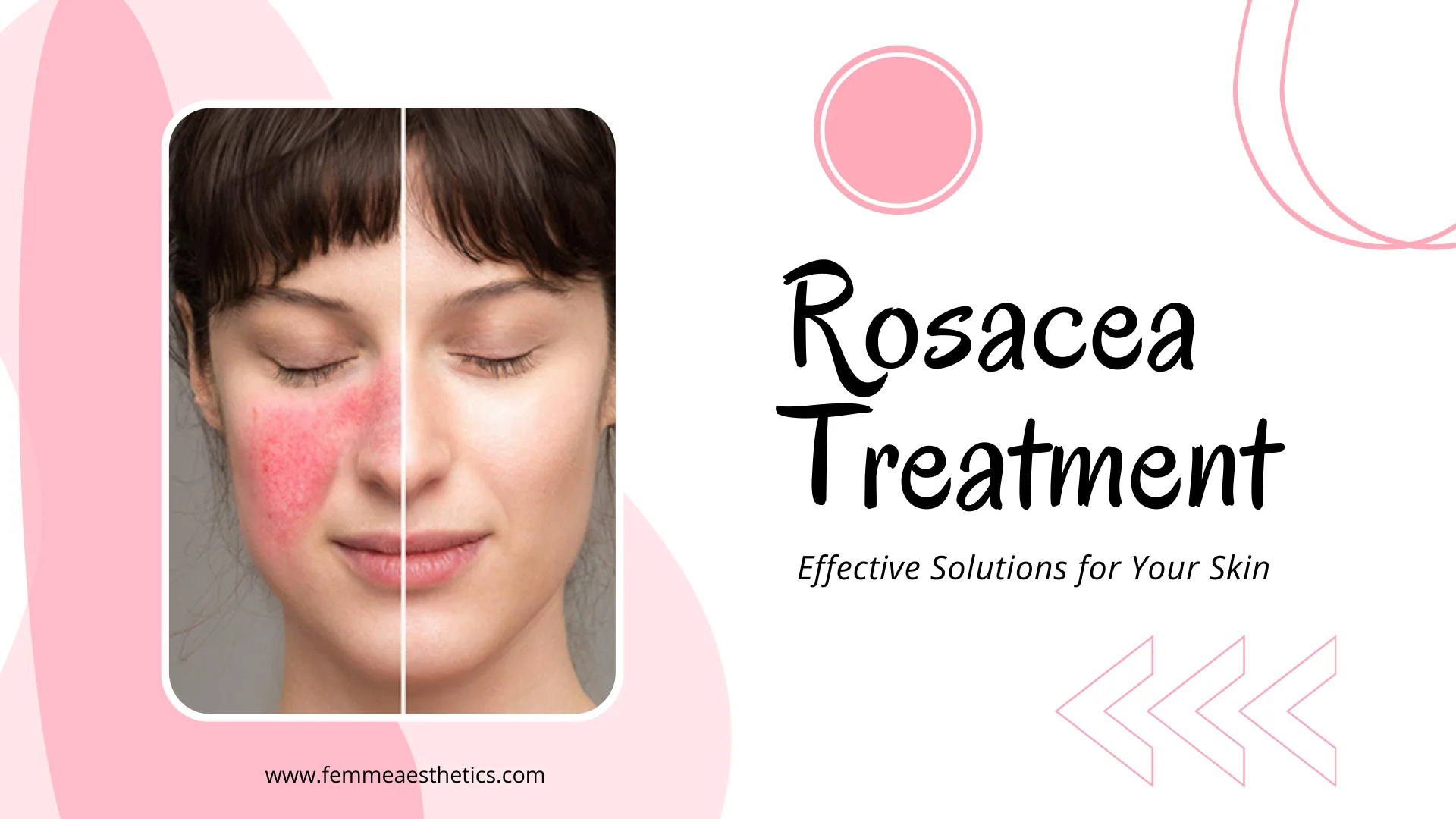
Rosacea is a frustrating condition because most of what you can buy at the drugstore aims at the symptoms (redness, the flushing sensation, the “hot face” feeling) rather than the cause. IPL — intense pulsed light — is one of the few in-office treatments that targets the actual vascular root: the dilated blood vessels just beneath the skin that show through as visible redness. With a proper series, IPL can reduce that baseline redness by 50 to 75 percent and dramatically calm flare-up frequency.
This content is for educational purposes only and does not constitute medical advice. Individual results may vary. Consult a qualified healthcare provider before undergoing any treatment or procedure.
This guide walks through how IPL actually works for rosacea, what a session feels like, who’s a candidate, and how to combine IPL with the right at-home routine to make the results last. For a personalized assessment, book a consultation with the team at Femme Aesthetics in Miami — we also have a broader rosacea treatment guide if you want the full picture.
Understanding Rosacea: Symptoms and Triggers
Rosacea is a chronic condition that primarily affects the central face — the cheeks, nose, chin, and sometimes the forehead. The visible signs cluster into a few patterns:
- Persistent redness across the central face that doesn’t fully fade
- Flushing — episodes of sudden, intense redness, often with heat
- Visible blood vessels (telangiectasia) — the fine red threads you can see if you look closely
- Acne-like papules in some subtypes
- Burning or stinging when applying products that other people tolerate easily
Common triggers include heat, sun exposure, alcohol, spicy food, stress, and certain skincare ingredients. The triggers don’t cause rosacea, but they activate the dilated vessels and amplify visible symptoms. According to the American Academy of Dermatology, rosacea affects an estimated 14 million Americans.
How IPL Treats Redness and Vessels
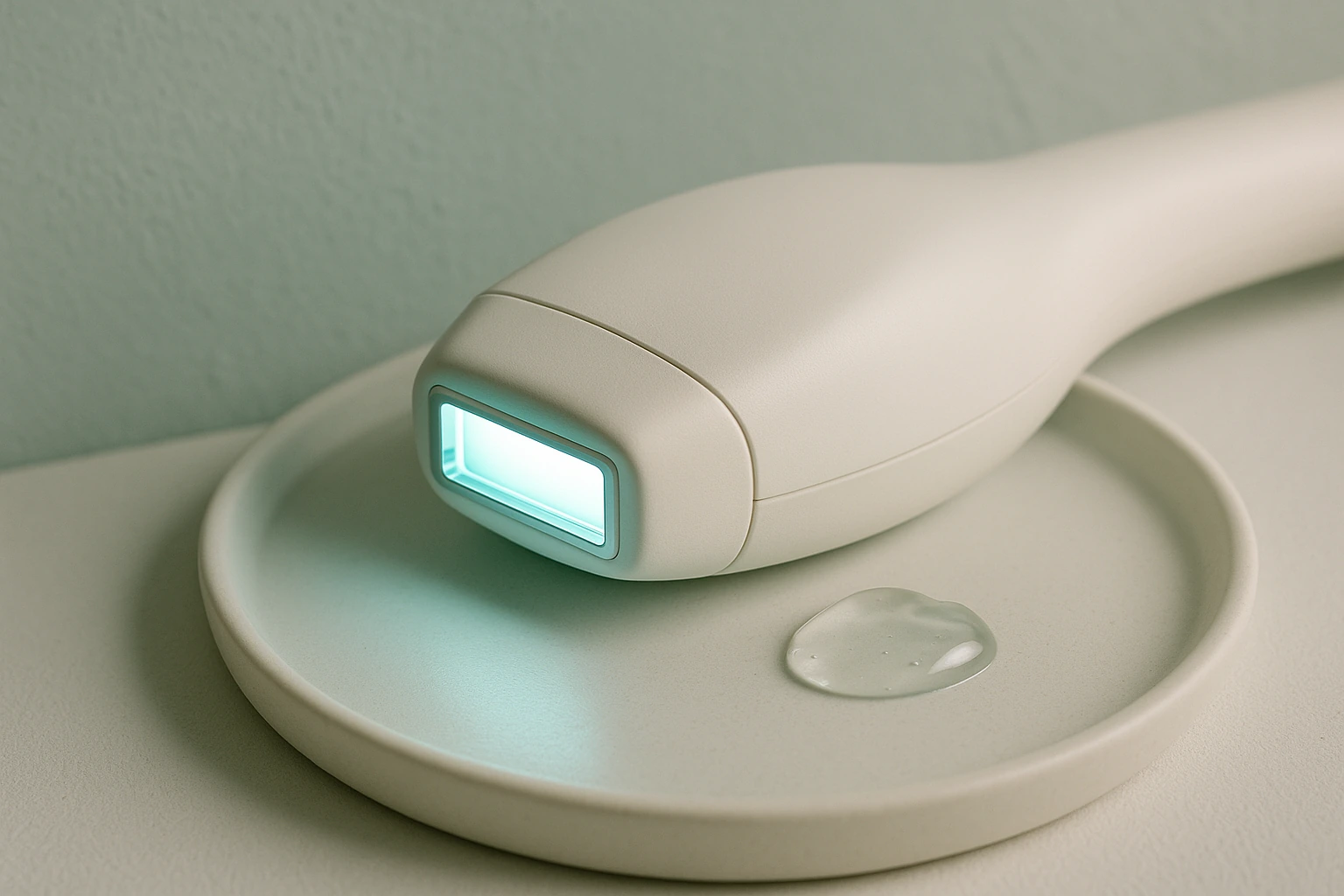
IPL stands for “intense pulsed light.” Unlike a laser, which emits a single wavelength, IPL emits a broad spectrum of light through a rectangular flash window. That spectrum is preferentially absorbed by hemoglobin — the iron-containing pigment in red blood cells. When the dilated vessels under your skin absorb that light, they heat up, collapse, and are gradually reabsorbed by your body over the following weeks.
The vessels go; the surface redness goes with them. You don’t feel the process happening once the pulse is over — the change is gradual and visible over the following month.
What IPL does NOT do:
- It doesn’t cure rosacea (chronic condition, no cure)
- It doesn’t prevent new vessels from forming over time
- It doesn’t address the inflammatory or papular subtypes by itself (these need topical or oral treatment alongside)
- It isn’t safe for every skin tone with the same settings (we adjust)
Benefits of IPL for Rosacea
What patients actually notice after a full IPL series:
- The baseline redness on the cheeks fades by 50 to 75 percent
- Visible broken vessels disappear over the series
- Flushing episodes are still triggered by the usual culprits but the visible intensity drops
- Skin tone evens out (IPL also targets pigmented spots and sun damage as a bonus)
- Skincare and makeup go on more evenly because the underlying tone is calmer
The improvement builds across sessions rather than appearing all at once. Most patients see meaningful change after session 2; the most dramatic improvement lands around session 4 or 5.
Creating a Personalized Treatment Plan
A real rosacea consultation looks at more than the obvious redness. We assess:
- Rosacea subtype. Vascular (redness and vessels) responds best to IPL. Inflammatory subtypes (papules, pustules) need different combinations.
- Skin tone. Fair-to-medium skin tolerates IPL well at standard wavelengths. Darker skin tones may need different devices or alternative treatments.
- Trigger pattern. Identifying your specific flushing triggers is half the long-term plan.
- Current skincare. Many rosacea patients are using products that are actively making things worse — harsh exfoliants, fragrances, alcohol-based toners.
- Sun exposure history. Cumulative sun damage worsens rosacea, so SPF compliance is non-negotiable.
Most treatment plans run 3 to 5 IPL sessions spaced 4 weeks apart, followed by maintenance every 6 to 12 months. We also build out a calming at-home routine that’s genuinely rosacea-appropriate.
What to Expect During Your Session
A real IPL session is undramatic:
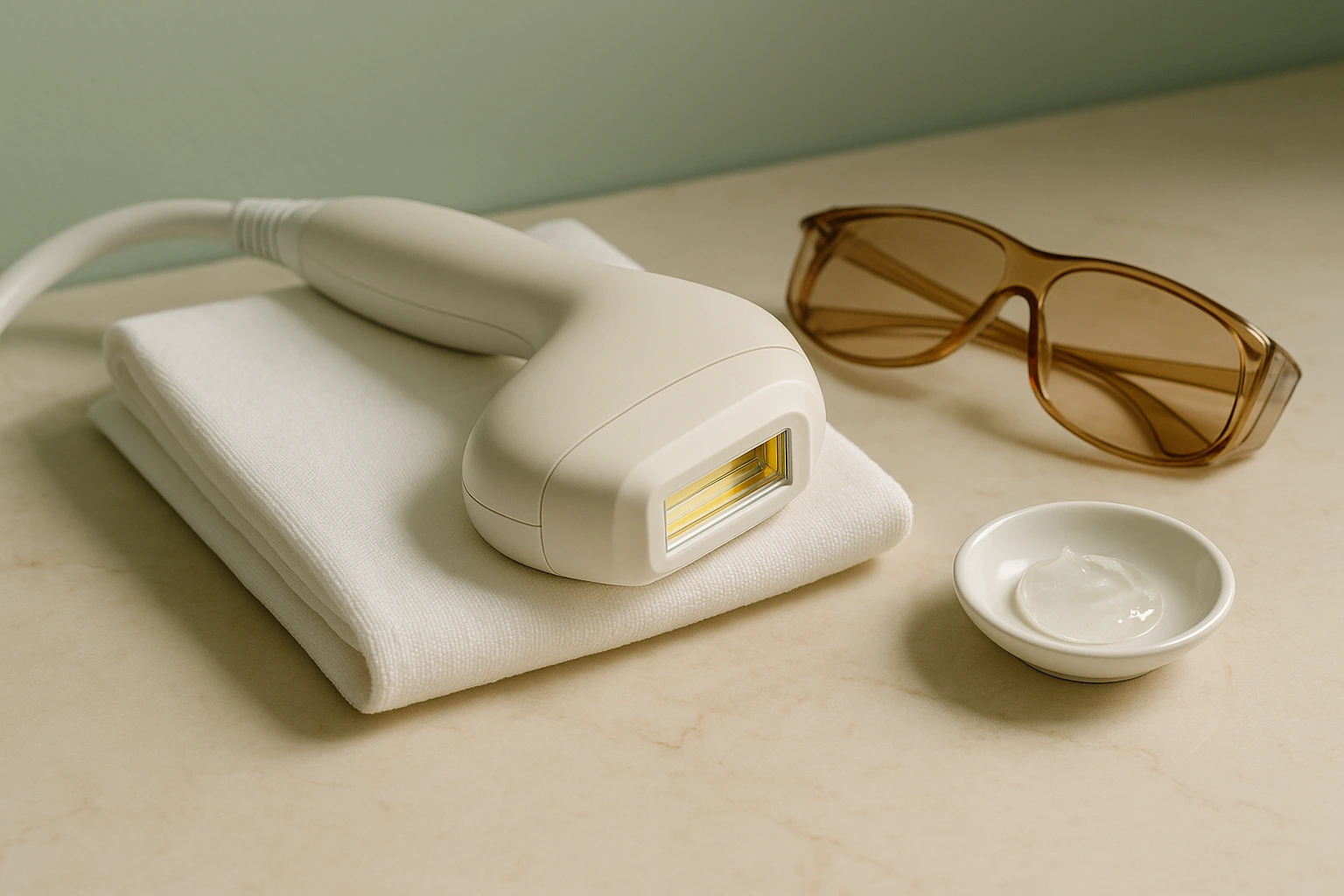
- Preparation. You arrive with clean skin (no makeup). We apply protective tinted goggles.
- Cooling gel. A clear gel is spread across the treatment area.
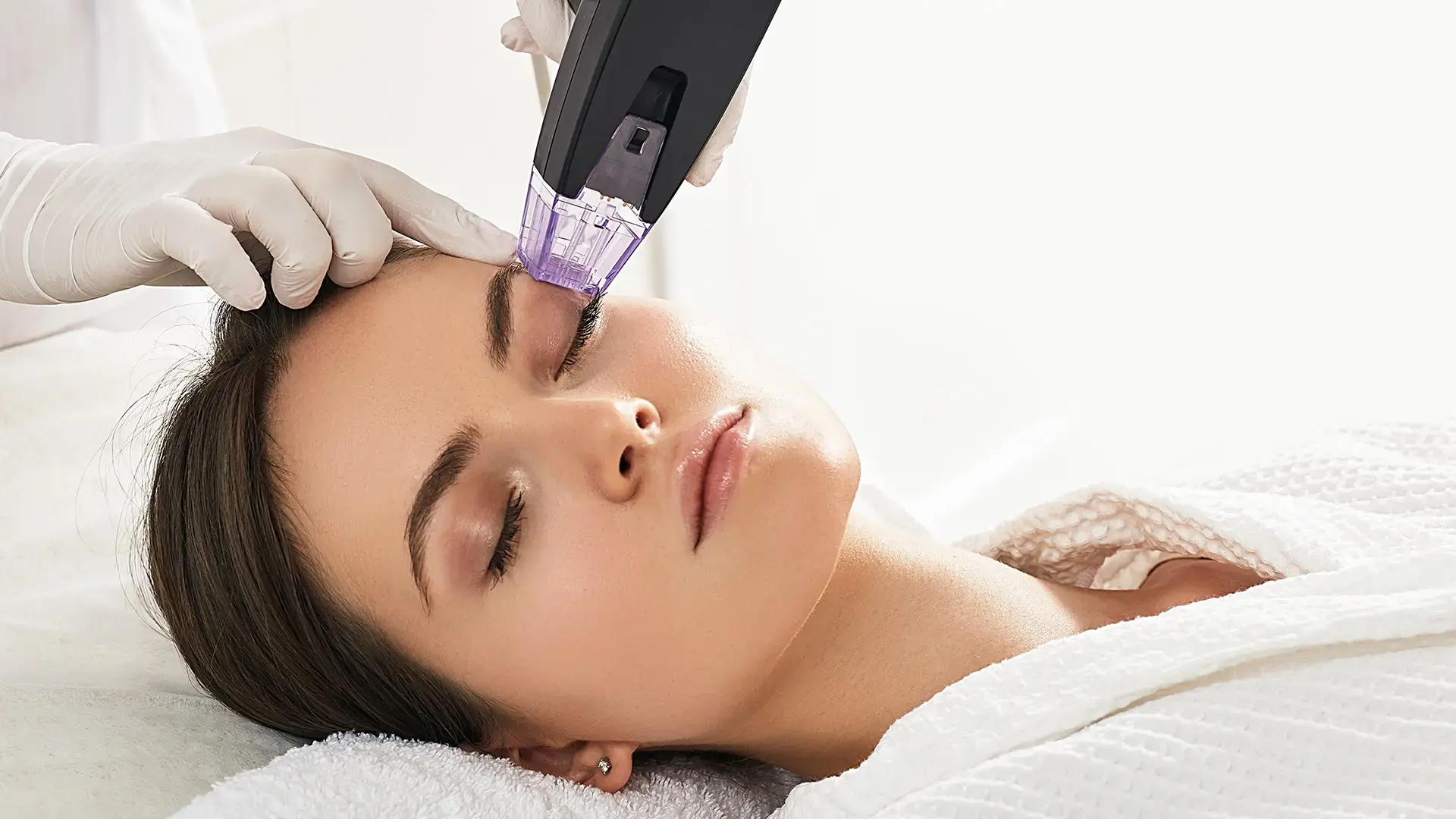
- Pulses. The IPL handpiece is moved across the area, delivering brief flashes. Each pulse feels like a quick rubber-band snap.
- Cooling and aftercare. The gel is wiped off, a calming serum is applied, and SPF is reapplied.
The session takes 20 to 30 minutes. Most patients have mild warmth or pinkness for an hour or two afterward; some return to work immediately. Visible vessels may appear darker for 24 to 48 hours before fading. No real downtime.
Enhancing Your Skincare Routine for Rosacea
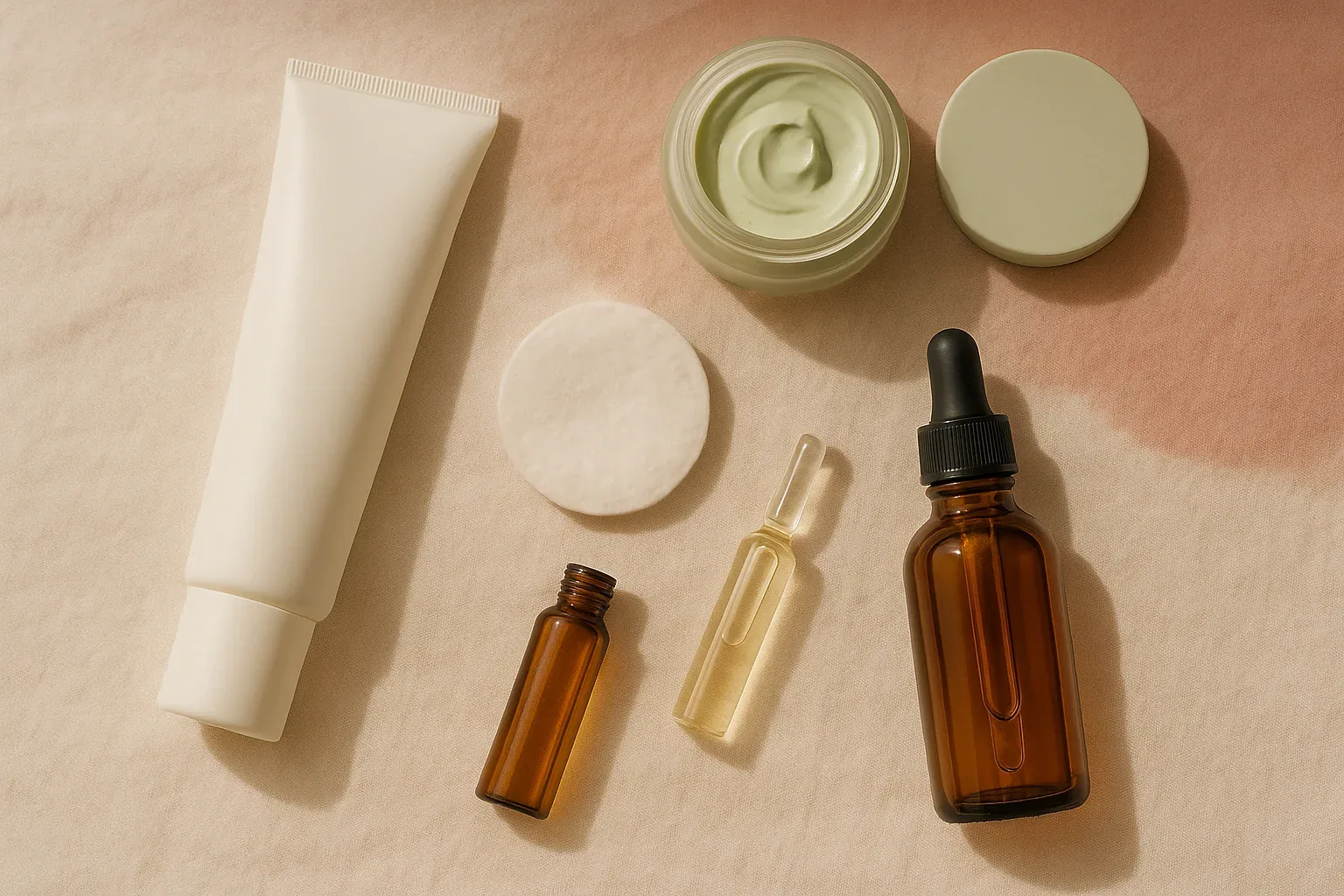
IPL results last longer when the at-home routine isn’t actively undermining them. The non-negotiables:
- Mineral SPF daily. Zinc oxide or titanium dioxide rather than chemical filters — many rosacea patients react to chemical sunscreens.
- Gentle, fragrance-free cleanser. Anything with sulfates or strong fragrance is a flare risk.
- Azelaic acid or niacinamide. Both calm rosacea inflammation and even tone over time. Azelaic acid is also evidence-based for the papular subtypes.
- Green-tinted color-correcting cream. Optional but effective for evening out residual redness while the IPL series progresses.
- Skip: retinoids during active flares, glycolic acid, fragranced products, alcohol-based toners, very hot water.
For complementary in-office options, Morpheus8 can help with skin quality and texture, and Alastin skincare includes several rosacea-friendly products we keep in clinic.
Ready to calm visible rosacea redness? Book a consultation, call (786) 250-4133, or email info@femmeaesthetics.com. See related treatment context on our services page.
Disclaimer: The information provided is intended for general educational purposes and should not replace professional medical consultation. Results are not guaranteed and may vary by individual. All procedures carry potential risks and side effects — discuss these with your provider before making any decisions.