Key Takeaways
- Non-surgical anti-aging takes a comprehensive approach combining skincare, lifestyle modifications, and professional treatments.
- Different skin tones require tailored care strategies for optimal results.
- Balanced diets rich in antioxidants significantly enhance skin health and slow visible aging.
- Key anti-aging ingredients include hyaluronic acid, vitamin C, and retinoids.
- Emerging technologies like LED therapy and AI-driven customization are transforming the anti-aging landscape.
Overview of Anti-Aging
The pursuit of youthful, radiant skin extends far beyond simply reducing wrinkles. Modern non-surgical anti-aging embraces a holistic approach that encompasses advanced skincare formulations, cutting-edge technology, balanced nutrition, and mindful lifestyle choices. Rather than turning back the clock, today’s anti-aging philosophy focuses on optimizing skin health at every stage of life—helping you look and feel your best without the need for invasive procedures.
At Femme Aesthetics & Health, we believe that lasting beauty comes from treating the whole person. Whether you’re just beginning to notice the first signs of aging or seeking to maintain results from previous treatments, a well-rounded approach delivers the most natural, enduring outcomes.
Understanding the Aging Process
Biological Factors
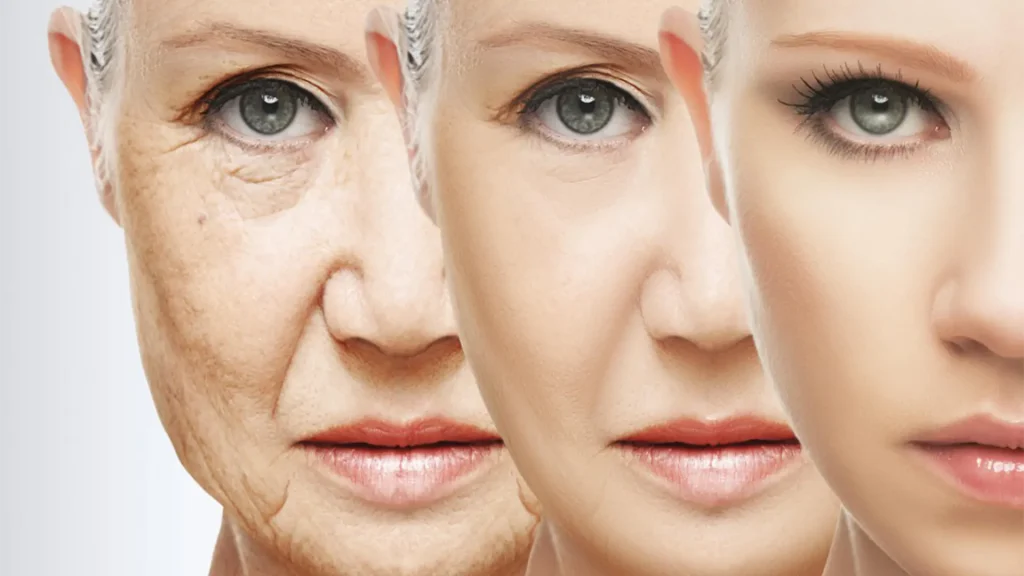
Intrinsic aging is a natural biological process influenced by genetics and internal physiological changes. As we age, collagen production declines at a rate of approximately 1% per year after the age of 20, while cellular regeneration slows considerably. This leads to a gradual loss of skin firmness, the development of fine lines and wrinkles, reduced elasticity, and a thinner dermal layer. Elastin fibers also degrade over time, diminishing the skin’s ability to bounce back from expressions and movements.
Hormonal changes—particularly during menopause—can accelerate these effects, leading to dryness, thinning, and increased sensitivity. Understanding these biological mechanisms is essential for selecting the right anti-aging strategies.
Environmental Influences
Extrinsic aging is driven by external factors that compound the effects of natural aging. Ultraviolet (UV) radiation from the sun is the single greatest contributor to premature skin aging, responsible for up to 80% of visible facial aging signs. UV rays break down collagen and elastin fibers, cause hyperpigmentation, and generate free radicals that damage cellular DNA.
Environmental pollution—including particulate matter, ozone, and cigarette smoke—creates oxidative stress that further depletes the skin’s natural defenses. Smoking alone constricts blood vessels, reducing oxygen and nutrient delivery to the skin and accelerating the formation of deep wrinkles, particularly around the mouth and eyes.
Anti-Aging Strategies
Lifestyle Adjustments
The foundation of any effective anti-aging regimen begins with lifestyle choices. Proper nutrition fuels the skin’s repair mechanisms, while adequate hydration—aiming for at least eight glasses of water daily—maintains skin plumpness and supports the natural moisture barrier. Regular physical exercise boosts circulation, delivering oxygen and nutrients to skin cells while flushing out toxins.
Quality sleep is equally critical. During deep sleep, the body releases growth hormones that stimulate cell reproduction and collagen synthesis. Chronic sleep deprivation elevates cortisol levels, which breaks down collagen and accelerates aging. Aim for seven to nine hours of restorative sleep each night to give your skin the recovery time it needs.
Diet and Nutrition’s Role
What you eat has a direct and measurable impact on how your skin ages. Vitamins E and C are powerful antioxidants that neutralize free radicals and protect against UV-induced damage. Vitamin C, in particular, is essential for collagen synthesis and helps brighten uneven skin tone.
Amino acids—the building blocks of protein—support the structural integrity of skin by contributing to collagen and elastin production. Omega-3 fatty acids, found in fatty fish, walnuts, and flaxseeds, reduce inflammation and help maintain the skin’s lipid barrier, keeping it supple and hydrated. Incorporating a colorful variety of fruits, vegetables, lean proteins, and healthy fats into your daily diet creates an internal environment that supports skin longevity.
Skin Tone and Aging
How Skin Tone Affects Aging
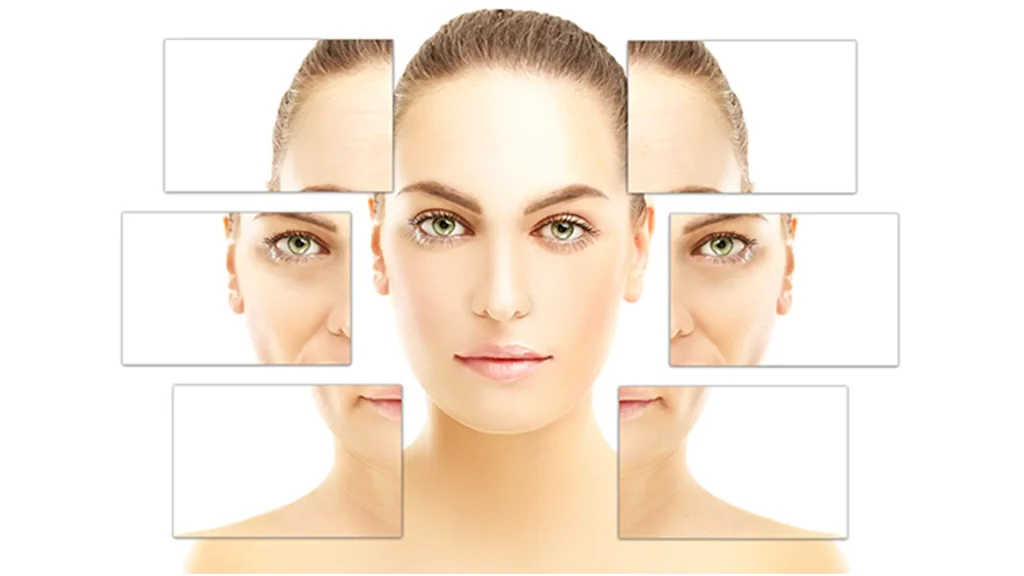
Skin tone plays a significant role in how aging manifests. Darker skin tones contain higher concentrations of melanin, which provides a natural shield against UV radiation. This built-in sun protection means that individuals with deeper complexions often experience fewer fine lines and wrinkles at younger ages. However, darker skin is more prone to hyperpigmentation, melasma, and post-inflammatory discoloration, which can create an uneven skin tone that adds perceived age.
Lighter skin tones, with less melanin, are more vulnerable to sun damage, photoaging, and the early onset of wrinkles and age spots. Fine lines around the eyes and forehead tend to appear sooner, and the skin may develop a more translucent quality as collagen diminishes. Regardless of your skin tone, a personalized approach to anti-aging is essential for the best results.
Sun Protection
Sun protection is the single most important anti-aging measure across all skin types and tones. Daily application of a broad-spectrum sunscreen with at least SPF 30 shields the skin from both UVA rays (which cause premature aging) and UVB rays (which cause sunburn). Reapplication every two hours—and more frequently when swimming or sweating—is essential for continuous protection.
Beyond sunscreen, protective clothing, wide-brimmed hats, and seeking shade during peak UV hours (10 a.m. to 4 p.m.) further minimize sun exposure. For those concerned about existing sun damage, treatments such as Intense Pulsed Light (IPL) can address pigmentation issues and restore a more even complexion.
Addressing Aging Skin
Common Aging Symptoms
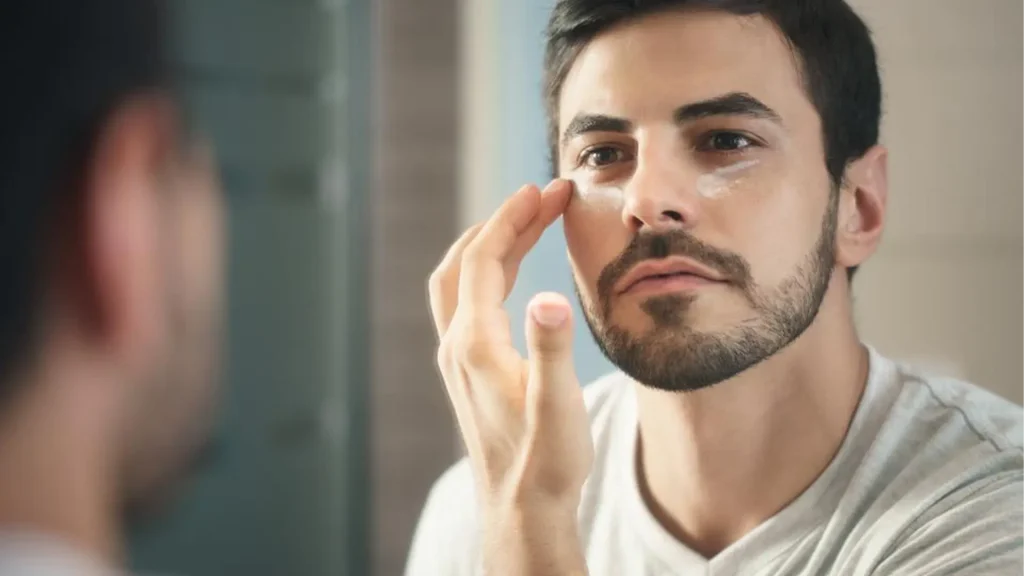
The visible signs of aging skin are varied and progressive. Early indicators include fine lines around the eyes (crow’s feet), forehead creases, and mild loss of skin radiance. As aging continues, deeper wrinkles form, skin laxity increases, volume loss in the cheeks and temples becomes noticeable, and age spots or uneven pigmentation may develop. Dryness, rough texture, and a dull complexion are also common complaints.
When to Seek Professional Advice
If over-the-counter skincare products are not delivering the results you desire, or if you notice significant changes in skin texture, tone, or firmness, it may be time to consult with a professional. A board-certified dermatologist or licensed aesthetician can evaluate your skin’s condition, identify underlying concerns, and recommend targeted treatments. At Femme Aesthetics, our expert team provides personalized consultations to help you develop the most effective anti-aging plan for your unique needs.
Daily Skincare Routines
Consistency is the cornerstone of effective anti-aging skincare. A well-structured daily routine should include a gentle cleanser to remove impurities without stripping the skin, a targeted serum (such as vitamin C in the morning or retinol at night), a moisturizer to lock in hydration, and broad-spectrum sunscreen during the day. At night, consider adding an eye cream and a richer moisturizer to support overnight repair processes.
Advanced Skincare Treatments
For those seeking more dramatic results, professional treatments offer powerful options. Microneedling with Morpheus8 combines radiofrequency energy with tiny needles to stimulate deep collagen remodeling, improving skin texture, firmness, and tone. Chemical peels remove damaged outer layers of skin to reveal fresher, smoother skin beneath. Laser therapy targets specific concerns such as pigmentation, fine lines, and skin laxity with precision.
These advanced treatments can be combined with daily skincare for a comprehensive anti-aging protocol. To explore which options are right for you, schedule a consultation with our team.
Combatting Premature Skin Aging
Environmental Factors
Premature aging is largely driven by controllable environmental factors. Prolonged unprotected sun exposure is the leading cause, followed by air pollution, tobacco use, excessive alcohol consumption, and chronic stress. Even blue light emitted by digital screens has been shown to contribute to oxidative damage in the skin, though to a lesser degree than UV radiation.
Prevention
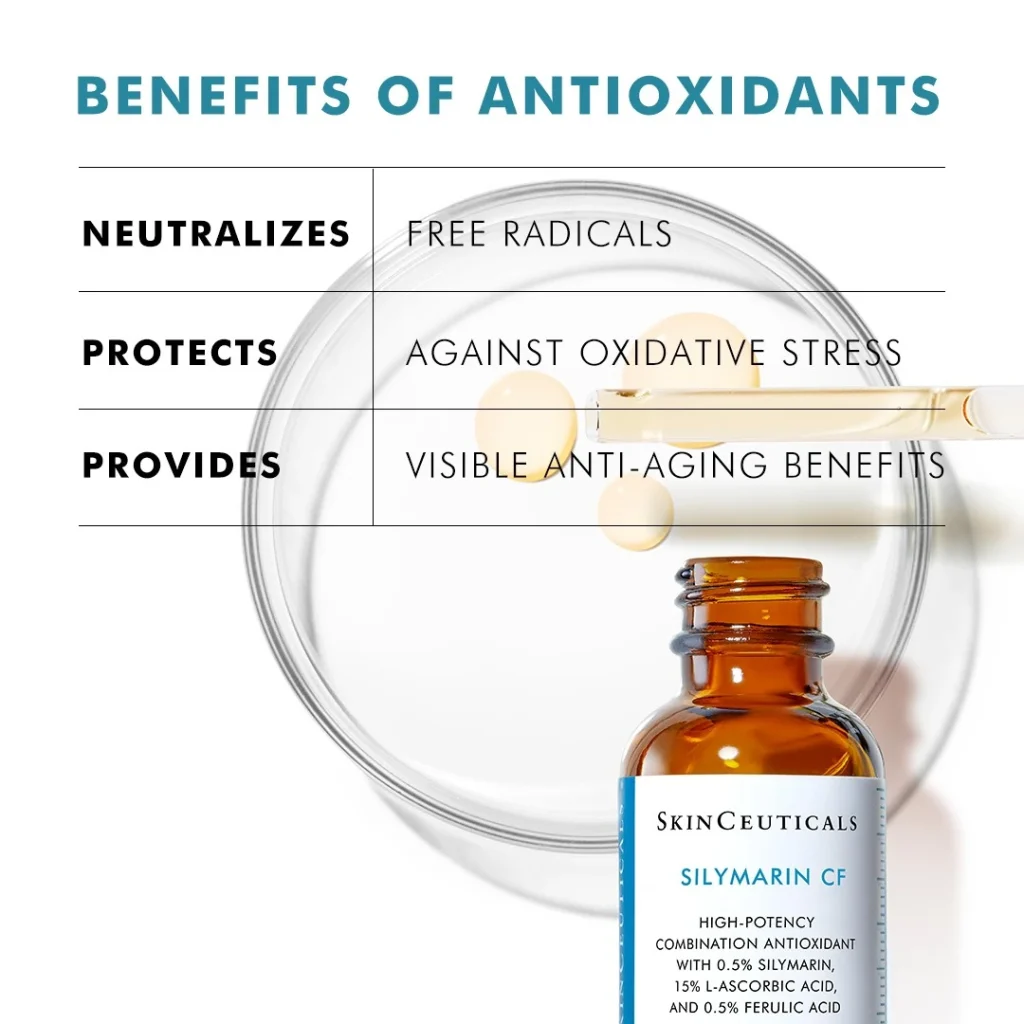
Preventing premature aging requires a multi-layered defense strategy. Broad-spectrum sunscreens form the first line of protection. Topical retinoids accelerate cell turnover, stimulate collagen production, and improve skin texture over time. Antioxidant serums—particularly those containing vitamins C and E, ferulic acid, and niacinamide—neutralize free radicals before they can damage skin cells.
Incorporating these protective measures early in life yields the greatest long-term benefits, but it is never too late to start. Even moderate improvements in sun protection and antioxidant use can slow the progression of visible aging at any stage.
The Role of Anti-Aging Creams
Types and How They Work
Anti-aging creams serve as the foundation of topical skincare regimens. The most effective formulations contain scientifically validated active ingredients. Hyaluronic acid attracts and retains moisture, plumping the skin and reducing the appearance of fine lines. Vitamin C brightens the complexion, fades dark spots, and provides antioxidant protection. Retinoic acid (a prescription-strength retinoid) accelerates cellular turnover and boosts collagen synthesis, making it one of the most potent anti-aging ingredients available.
Peptides are short chains of amino acids that signal the skin to produce more collagen and elastin, firming and strengthening the skin’s structure. For those with sensitive skin, formulations containing aloe vera, shea butter, ceramides, and centella asiatica offer hydration and anti-aging benefits without irritation.
Eye Creams
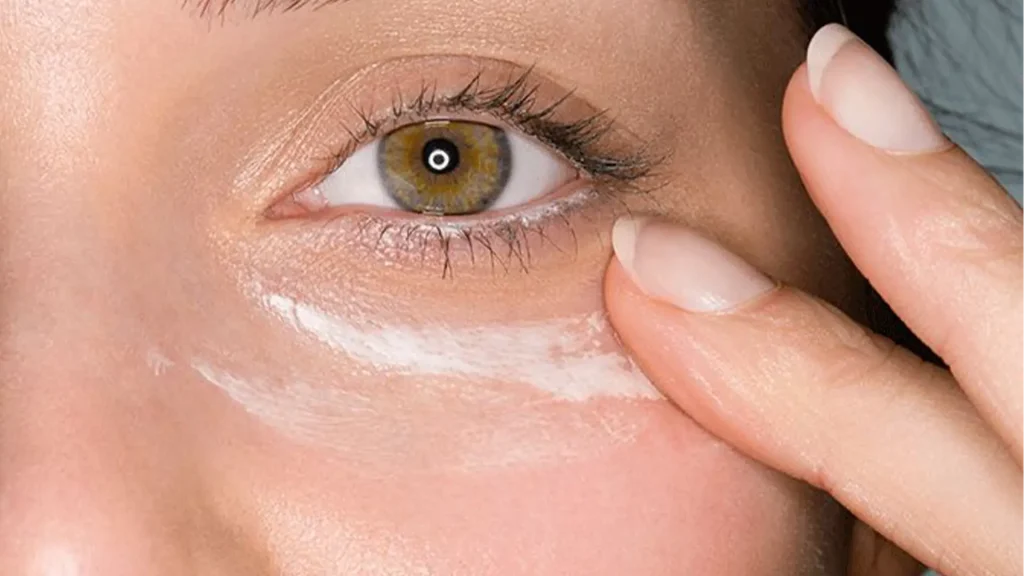
The delicate skin around the eyes is often the first area to show signs of aging. Specialized eye creams address concerns such as dark circles, puffiness, crow’s feet, and crepey texture. Look for formulations containing caffeine to reduce puffiness, vitamin K to diminish dark circles, retinol to smooth fine lines, and hyaluronic acid to hydrate the thin periorbital skin. Applying eye cream gently with the ring finger—which applies the least pressure—helps protect this fragile area.
Technological Innovations in Anti-Aging
The anti-aging industry is being transformed by technological breakthroughs that deliver professional-grade results with minimal downtime. LED light therapy uses specific wavelengths of light to stimulate collagen production (red light), reduce inflammation (near-infrared light), and target acne-causing bacteria (blue light). Treatments are painless, require no recovery time, and can be performed in-office or with at-home devices.
Ultrasound skin tightening delivers focused energy deep into the skin’s foundational layers, stimulating new collagen growth and producing a lifting and firming effect over several months. Radiofrequency treatments heat the dermal layer to promote tissue remodeling and tighten lax skin, particularly effective for the jawline, neck, and around the eyes.
AI-driven skincare personalization platforms analyze your skin using advanced imaging and algorithms to recommend customized product regimens and treatment schedules. Genetic testing for skincare takes personalization even further by identifying your skin’s unique predispositions—such as collagen degradation rate, antioxidant capacity, and sun sensitivity—enabling a truly bespoke anti-aging approach.
The Science of Skincare Ingredients
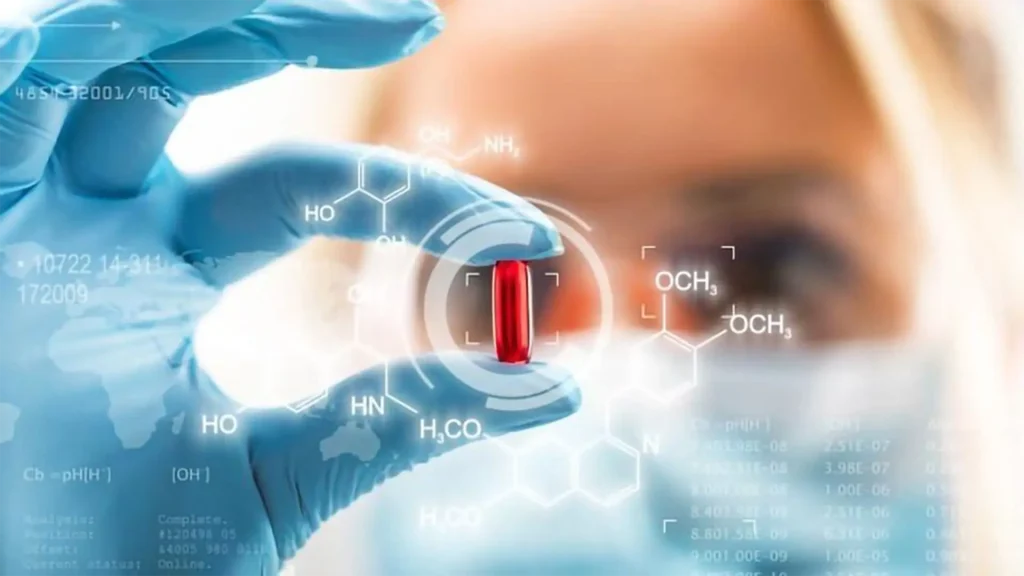
Understanding the science behind key skincare ingredients empowers you to make informed choices. Antioxidants such as vitamin C, vitamin E, and resveratrol neutralize free radicals—unstable molecules that damage cells and accelerate aging. Hyaluronic acid, naturally present in the skin, can hold up to 1,000 times its weight in water, making it an unparalleled hydrating agent.
Collagen-stimulating agents like retinoids, peptides, and growth factors signal the skin to ramp up collagen and elastin production, restoring firmness and reducing wrinkles from within. Chemical exfoliants—including alpha hydroxy acids (AHAs) like glycolic acid and beta hydroxy acids (BHAs) like salicylic acid—dissolve dead skin cells and promote cellular renewal, revealing brighter, smoother skin.
Botanical oils such as rosehip, jojoba, and squalane provide essential fatty acids and vitamins that nourish, protect, and repair the skin barrier. When combined thoughtfully, these ingredients create a synergistic skincare regimen that addresses multiple signs of aging simultaneously.
Mental and Emotional Aspects of Anti-Aging
The connection between mental health and skin health is well documented. Chronic stress triggers the release of cortisol, a hormone that breaks down collagen, impairs the skin’s barrier function, and exacerbates inflammatory skin conditions such as eczema, rosacea, and acne. Over time, persistent stress can visibly accelerate the aging process.
Conversely, positive self-perception and emotional wellness have tangible benefits for skin health. Individuals who feel good about themselves are more likely to maintain consistent skincare routines, make healthier lifestyle choices, and seek professional guidance when needed. Practices such as meditation, mindfulness, regular exercise, and nurturing social connections all contribute to reduced stress levels and improved overall well-being—reflecting directly in healthier, more youthful-looking skin.

Conclusion
Achieving lasting, youthful skin without surgery is not only possible—it is increasingly accessible through the convergence of advanced skincare science, innovative technology, and informed lifestyle choices. The most effective anti-aging strategy combines topical treatments containing proven ingredients like hyaluronic acid, vitamin C, and retinoids with a healthy lifestyle built on balanced nutrition, regular exercise, quality sleep, and consistent UV protection.
Professional guidance from a board-certified specialist ensures that your approach is tailored to your unique skin type, tone, and concerns. Whether you’re incorporating daily serums, exploring LED therapy, or considering Morpheus8 treatments, each step brings you closer to your skin health goals.
“True anti-aging is not about erasing the years—it’s about nurturing your skin so it reflects the vitality and confidence you feel inside.”
Ready to start your personalized non-surgical anti-aging journey? Schedule a consultation at Femme Aesthetics today, or explore our full range of skincare and rejuvenation services.