Managing combination skin can feel like walking a tightrope — balancing oily areas with dry patches requires a thoughtful, personalized approach. If your T-zone tends to shine while your cheeks feel tight and flaky, you’re not alone. Combination skin is one of the most common skin types, and understanding how to care for it can make all the difference in achieving a radiant, balanced complexion. In this comprehensive guide, we’ll walk you through seven essential tips to help you master your skincare routine and embrace the unique qualities of your skin.
Key Takeaways
- Personalized Skincare Routine: Combination skin requires a tailored approach that addresses both oily and dry areas simultaneously. A one-size-fits-all routine simply won’t cut it — you need products and techniques that cater to the specific needs of each facial zone.
- Ingredient Savvy: Key ingredients like hyaluronic acid for hydration, salicylic acid for oil control, and vitamin C for brightening are your best allies. Understanding which ingredients work for your skin type empowers you to make smarter product choices.
- Lifestyle Considerations: Diet, hydration, stress management, and environmental awareness all play crucial roles in maintaining skin balance. What you put into your body and how you manage daily stress directly impacts the health and appearance of your skin.
- Professional Guidance: When over-the-counter products aren’t enough, seeking the advice of a dermatologist or skincare professional can provide targeted solutions. Idelsis Trelles, PA-C, at Femme Aesthetics can help you develop a customized plan for your unique skin needs.
Understanding Combination Skin
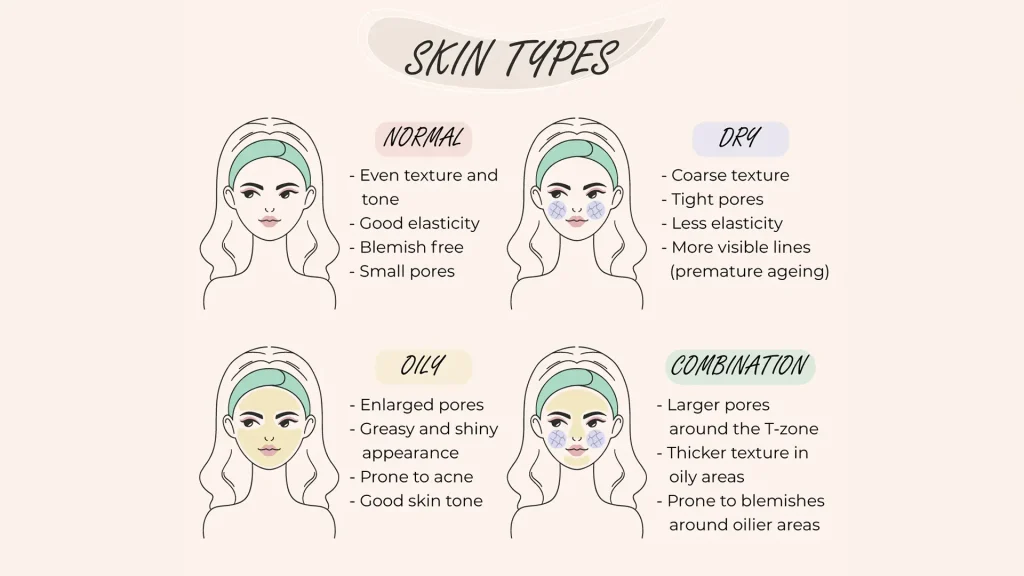
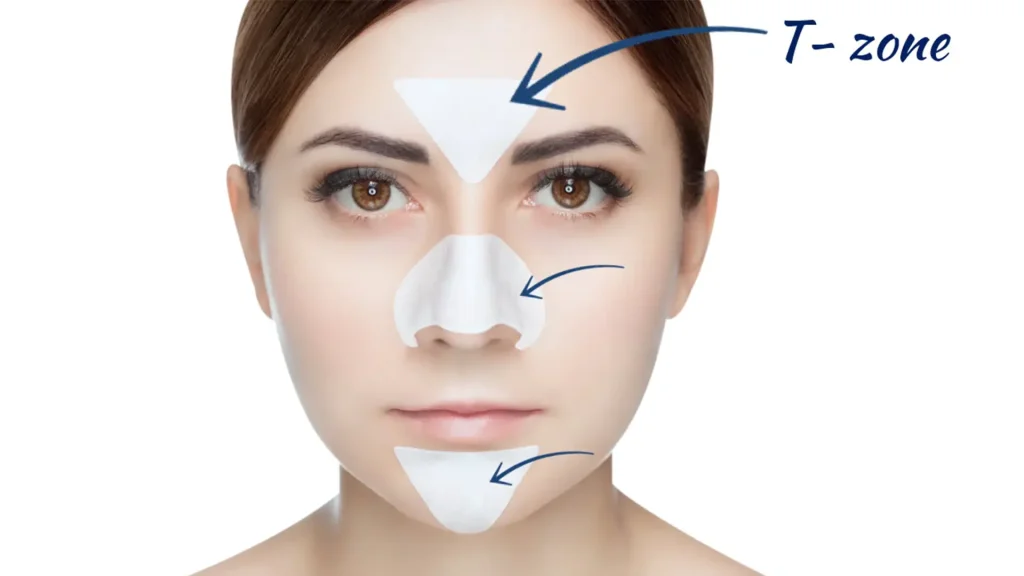
Combination skin is characterized by having an oily T-zone — the forehead, nose, and chin — while the cheeks and other areas remain dry or normal. This dual nature occurs because the sebaceous glands in the T-zone are more active, producing excess sebum, while the cheeks have fewer active oil glands. This imbalance creates unique challenges: you may experience enlarged pores and breakouts in oily zones, while simultaneously dealing with flakiness, tightness, and sensitivity in dry areas.
Understanding why your skin behaves this way is the first step toward building an effective skincare routine. Rather than treating your entire face the same way, combination skin demands a zone-specific strategy that addresses each area’s distinct needs.
Introduction to Combination Skin
If you’ve ever wondered why your forehead looks shiny by midday while your cheeks feel parched, combination skin is likely the answer. The T-zone — spanning your forehead, nose, and chin — tends to overproduce oil due to a higher concentration of sebaceous glands. Meanwhile, the cheeks and outer edges of the face often lack sufficient moisture, leading to dryness and occasional irritation.
This skin type is incredibly common and can be influenced by genetics, hormones, climate, and the products you use. The good news is that with the right knowledge and a tailored skincare routine, you can achieve a beautifully balanced complexion that feels comfortable and looks luminous all day long.
The Science Behind Combination Skin
The root cause of combination skin lies in the uneven distribution and activity of sebaceous glands across the face. Genetic predispositions play a significant role — if your parents had combination skin, you’re more likely to experience it too. Hormonal fluctuations, particularly during puberty, menstruation, pregnancy, or menopause, can also shift your skin’s oil production.
Environmental factors further complicate the picture. Humidity can ramp up oil production in the T-zone, while dry, cold air strips moisture from already-dry cheeks. Pollution exposes the skin to free radicals, which can disrupt the skin barrier and worsen both oiliness and dryness. Recognizing these signs and understanding the science behind your skin type allows you to make informed decisions about products and treatments.
Key Areas of Concern
When it comes to combination skin, the challenges are twofold. Oily areas, particularly the T-zone, are prone to acne, blackheads, and enlarged pores due to excess sebum production. These areas require ingredients that regulate oil without stripping the skin. On the other hand, dry zones — typically the cheeks, jawline, and around the eyes — need consistent moisture to prevent flaking, redness, and a tight, uncomfortable feeling.
The key to managing these contrasting concerns is using a gentle cleanser that doesn’t disrupt the skin’s natural barrier. Ingredients like hyaluronic acid provide deep hydration without adding oil, making them ideal for dry areas. Meanwhile, salicylic acid works wonders in oily zones by penetrating pores to dissolve excess sebum and prevent breakouts. A balanced approach that respects both areas is essential for maintaining healthy, radiant skin.
Managing Combination Skin: A Dual Approach
Successfully managing combination skin requires a dual approach that harmonizes care for the oily T-zone with care for dry cheeks and other moisture-starved areas. Think of it as creating two mini-routines within one overarching skincare regimen. The goal is to control excess oil in the T-zone while simultaneously providing adequate hydration to dry zones — without one approach undermining the other.
This means choosing products that are versatile enough to work across skin types or strategically layering different products on different areas of your face. Multi-masking, for example, is a popular technique where you apply a clay mask to the T-zone to absorb oil while using a hydrating sheet mask on the cheeks. With practice and patience, you’ll find the right balance that keeps your entire face looking and feeling its best.

Daily Care Routine
A well-structured daily care routine is the foundation of combination skin management. The overarching goal is to manage excess oil production in the T-zone while keeping dry areas properly hydrated. Consistency is key — sticking to a morning and evening routine helps your skin adapt and respond positively over time.
Your daily routine should include cleansing, toning (optional but beneficial), applying targeted treatments or serums, moisturizing, and sun protection in the morning. Each step serves a specific purpose and, when done correctly, contributes to a balanced, healthy complexion. Let’s break down the most critical components.

Cleansing: The Balancing Act
Cleansing is arguably the most important step in any skincare routine, and for combination skin, it’s a true balancing act. The ideal cleanser for combination skin is a water-soluble, gentle formula that removes dirt, makeup, and excess oil without stripping the skin of its natural moisture. Avoid harsh soaps and sulfate-heavy cleansers, as these can over-dry your cheeks while triggering your T-zone to produce even more oil as compensation.
Consider using a gel-based or foaming cleanser that’s lightweight yet effective. Double cleansing — using an oil-based cleanser followed by a water-based one — can be particularly effective in the evening to thoroughly remove sunscreen and makeup without irritation. Always cleanse with lukewarm water, as hot water can strip the skin and cold water may not effectively dissolve oil and impurities.
Moisturizing: Hydration Harmony
Finding the right moisturizer for combination skin is all about achieving hydration harmony. Lightweight, water-based moisturizers are ideal because they provide essential hydration without feeling heavy or clogging pores. Look for formulas containing hyaluronic acid, which attracts and retains moisture in the skin, and glycerin, which helps maintain the skin’s moisture barrier.
For the T-zone, opt for a gel-type moisturizer that absorbs quickly and provides a matte finish. For drier cheeks, you may want to layer a slightly richer cream on top or use a hydrating serum underneath your moisturizer. The key is to never skip moisturizing — even oily areas need hydration. When skin is dehydrated, it often compensates by producing more oil, which can worsen breakouts and shine.
Addressing Excess Oil Without Over-drying
One of the biggest mistakes people with combination skin make is aggressively targeting oiliness, which ends up over-drying the skin and causing a rebound effect. The secret to managing excess oil is to use targeted treatments that regulate sebum production without disrupting the skin’s natural balance.
Salicylic acid is a standout ingredient for this purpose. As a beta-hydroxy acid (BHA), it penetrates deep into pores to dissolve excess oil and prevent clogged pores, making it ideal for the T-zone. Use it in a targeted treatment or toner rather than an all-over product. Additionally, incorporating a hydrating face mask once or twice a week can help replenish moisture in dry areas while keeping oily zones in check. Clay masks are excellent for absorbing excess oil in the T-zone — just be sure to follow up with a hydrating product.
Lifestyle Tips for Managing Excess Oil
Diet and Hydration
What you eat and drink has a direct impact on your skin’s oil production. A diet high in refined sugars, processed foods, and dairy can trigger excess oil production and inflammation, leading to breakouts in the T-zone. Instead, focus on a balanced diet rich in fruits, vegetables, lean proteins, and healthy fats like omega-3 fatty acids found in salmon, walnuts, and flaxseed.
Staying properly hydrated is equally important. Drinking plenty of water throughout the day helps flush toxins from the body and keeps your skin cells plump and hydrated from the inside out. When your body is well-hydrated, your skin is less likely to compensate with excess oil production.
Stress Management
Chronic stress triggers the release of cortisol, a hormone that can stimulate sebaceous glands to produce more oil. This is why you might notice more breakouts during stressful periods. Managing stress through regular exercise, meditation, deep breathing exercises, or yoga can have a profound positive effect on your skin’s balance and overall health.
Advanced Skin Care Strategies
Once you’ve mastered the basics of cleansing, moisturizing, and sun protection, you can elevate your routine with advanced skincare strategies. These include targeted serums, professional treatments, and specialized products that address specific concerns like hyperpigmentation, fine lines, or persistent breakouts.
Serums and Treatments
Serums are concentrated formulas that deliver active ingredients directly to the skin. For combination skin, consider incorporating the following into your routine:
- Vitamin C Serums: A powerful antioxidant that brightens the complexion, evens out skin tone, and protects against environmental damage. Use in the morning before sunscreen.
- Salicylic Acid Treatments: Apply to the T-zone to keep pores clear and reduce oil production. Best used in the evening.
- Aloe Vera: A soothing, hydrating ingredient that calms irritated dry areas and provides gentle moisture without clogging pores.
Layer your serums from thinnest to thickest consistency, and always allow each product to absorb before applying the next. This ensures maximum efficacy and prevents pilling.
When to See a Dermatologist
While a well-crafted at-home routine can work wonders for combination skin, there are times when professional guidance is necessary. If you’re experiencing persistent acne, severe dryness, unusual skin changes, or if over-the-counter products simply aren’t delivering results, it’s time to consult a dermatologist or skincare professional.
A dermatologist can prescribe medications such as retinoids or topical antibiotics, recommend professional-grade products with higher concentrations of active ingredients, and perform in-office treatments like chemical peels or Morpheus8 microneedling to address stubborn skin concerns. Schedule a consultation with the team at Femme Aesthetics for personalized advice tailored to your unique skin.
Choosing Products for Combination Skin
Selecting the right products is critical for combination skin success. The wrong products can exacerbate oiliness, worsen dryness, or cause breakouts. When shopping for skincare, always read labels carefully and look for products labeled “non-comedogenic” (won’t clog pores) and “oil-free” or “lightweight.”

Ingredients Beneficial for Combination Skin
Here are the star ingredients you should look for when building your combination skin routine:
- Hyaluronic Acid: A humectant that draws moisture into the skin, providing deep hydration without adding oil. Suitable for both oily and dry areas.
- Salicylic Acid: A BHA that penetrates pores to dissolve excess sebum and dead skin cells. Ideal for controlling oiliness and preventing breakouts in the T-zone.
- Vitamin C: An antioxidant that brightens skin, fades dark spots, and protects against free radical damage caused by UV exposure and pollution.
- Aloe Vera: A gentle, soothing ingredient that hydrates and calms irritated or dry skin without clogging pores or increasing oiliness.
Product Recommendations and Avoidances
Knowing what to use — and what to avoid — can make or break your combination skin routine. Here are some product categories to embrace and those to steer clear of.
Recommended Products
- Gel-Based Cleansers: Lightweight and effective at removing impurities without stripping moisture. Perfect for the dual needs of combination skin.
- Lightweight Oil-Free Moisturizers: Provide necessary hydration without adding excess oil. Look for formulas with hyaluronic acid or glycerin.
- Broad-Spectrum Sunscreen: Essential for protecting all skin types from UV damage. Choose a lightweight, non-greasy formula with SPF 30 or higher.

Products to Avoid
- Heavy Oil-Based Creams: These can clog pores in the T-zone and lead to breakouts. They’re too rich for oily areas and can leave an uncomfortable greasy feeling.
- Alcohol-Based Toners: While they may temporarily reduce oiliness, alcohol-based products strip the skin of natural moisture, triggering rebound oil production and irritating dry areas.
- Harsh Exfoliants: Abrasive physical scrubs can damage the skin barrier, cause micro-tears, and worsen both oiliness and dryness. Opt for gentle chemical exfoliants instead.

Tailoring Your Skincare Routine
Your skincare routine should never be static. As seasons change, so do your skin’s needs. In humid summer months, your T-zone may produce more oil, requiring lighter products and more frequent use of oil-absorbing treatments. During winter, cold air and indoor heating can strip moisture from dry areas, calling for richer moisturizers and more frequent hydrating masks.
Pay attention to how your skin responds to different products and environmental conditions. Keep a simple skincare journal or take weekly photos to track changes. Customizing your routine for each season ensures that your skin remains balanced and healthy year-round.
Lifestyle and Combination Skin
Skincare doesn’t stop at products. Your lifestyle habits have a profound impact on your skin’s health and appearance. From what you eat to how you handle stress, every choice you make can either support or undermine your skincare efforts.

Diet and Hydration
A balanced diet is one of the most underrated tools in your skincare arsenal. Loading up on fruits, vegetables, and healthy fats provides your skin with the vitamins and nutrients it needs to maintain its barrier function and fight off damage. Antioxidant-rich foods like berries, leafy greens, and nuts help combat free radicals, while omega-3 fatty acids found in fatty fish and seeds support skin hydration and reduce inflammation.
Water is equally vital. Aim for at least eight glasses a day to keep your skin cells hydrated and functioning optimally. Proper hydration helps maintain the skin’s elasticity and plumpness, and it supports the body’s natural detoxification processes, which can reduce the likelihood of breakouts.
Stress Management and Skin Health
The connection between stress and skin health is well-documented. When you’re stressed, your body produces excess cortisol, which stimulates oil glands and can lead to breakouts, particularly in the T-zone. Chronic stress can also impair the skin’s barrier function, making dry areas more susceptible to irritation and moisture loss.
Incorporating stress-management practices into your daily life can significantly improve your skin. Regular exercise boosts circulation and delivers oxygen and nutrients to skin cells. Meditation and mindfulness practices help lower cortisol levels. Even simple habits like getting adequate sleep, spending time outdoors, and engaging in hobbies you enjoy can reduce stress and promote healthier, more balanced skin.
Environmental Factors
Your environment plays a significant role in how your combination skin behaves. Pollution exposes your skin to free radicals and particulate matter that can clog pores and accelerate aging. High humidity can increase oil production in the T-zone, while low humidity and cold weather can strip moisture from dry areas.
Protecting your skin from environmental aggressors is essential. Always wear a broad-spectrum sunscreen with at least SPF 30, even on cloudy days. Consider using an antioxidant serum (like vitamin C) as an extra layer of defense against pollution. If you live in a particularly dry climate, a humidifier in your home can help maintain skin hydration levels.
Embracing Your Unique Skin Type
Combination skin may come with its challenges, but it also comes with unique advantages. The natural oil production in your T-zone can actually help slow the appearance of fine lines and wrinkles in those areas, and with the right routine, you can achieve a gorgeous, dewy glow that’s the envy of every skin type.
The journey to balanced, radiant skin is a marathon, not a sprint. Be patient with your skin, listen to what it’s telling you, and don’t be afraid to adjust your routine as needed. Remember that everyone’s skin is different, and what works for someone else may not work for you. Embrace the process of discovering what your skin loves, and celebrate the progress you make along the way.
If you’re ready to take your skincare to the next level, the experts at Femme Aesthetics are here to help. From personalized skincare consultations to advanced treatments, we’ll work with you to create a plan that celebrates your unique skin type and helps you achieve your healthiest, most radiant complexion. Book your consultation today and start your journey toward beautifully balanced skin.

“Combination skin isn’t a problem to solve — it’s a skin type to understand and embrace. With the right knowledge and routine, radiant balance is absolutely achievable.”