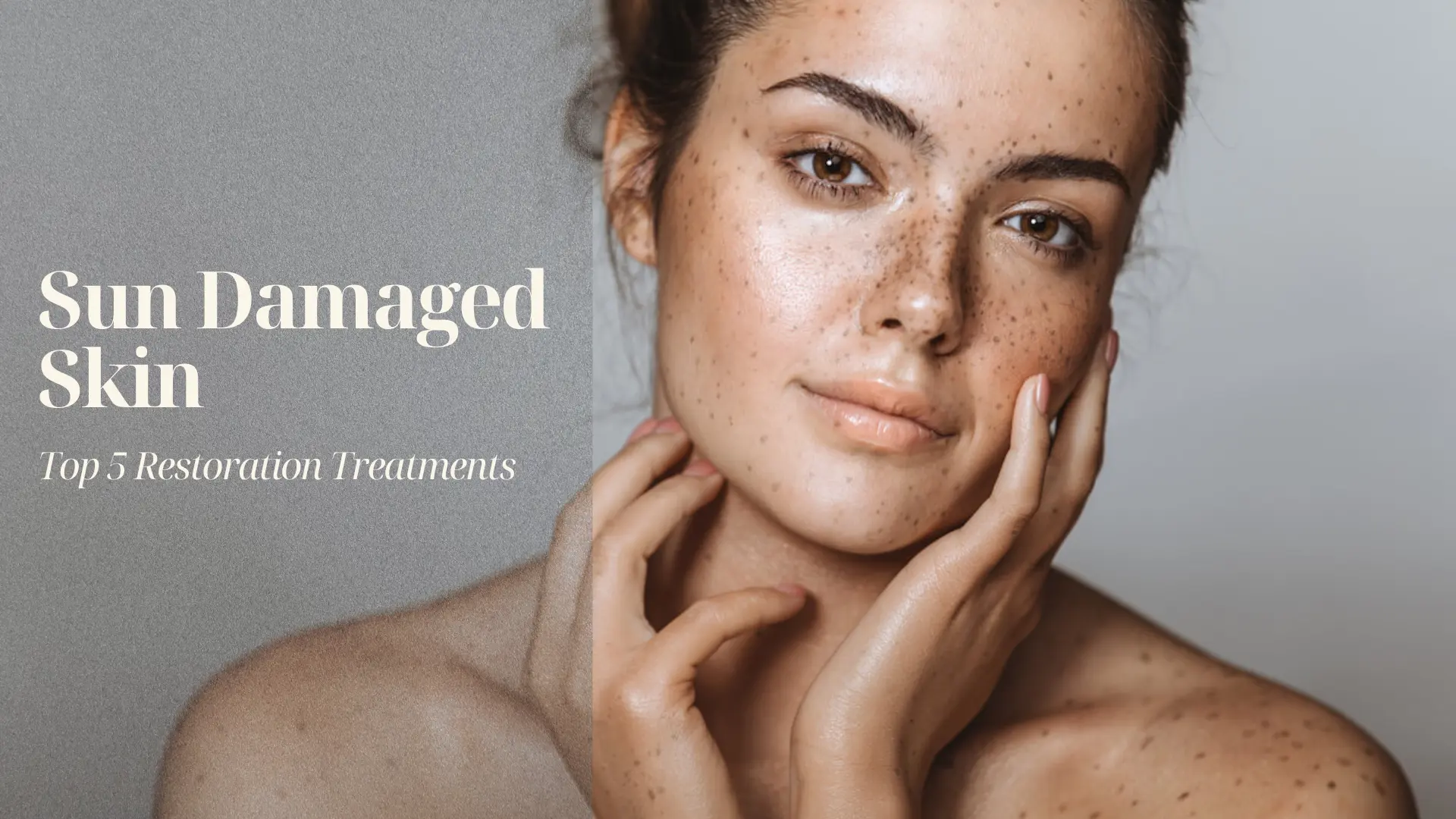
Sunlight, the very essence of life, brings warmth and joy but also bears a hidden threat to our skin. Overexposure to its rays can lead to sun-damaged skin, a condition manifesting not just as a temporary sunburn but as a profound alteration of the skin’s texture, tone, and health. This article delves into the realm of sun-damaged skin, guiding you through its treatment, understanding, and prevention, with the ultimate goal of restoring and protecting your skin’s health.
As we embrace the outdoors, our skin becomes the silent witness to our life’s adventures under the sun. However, this exposure comes at a cost. Sun-damaged skin is not merely an aesthetic concern but a pressing health issue that can escalate into more severe conditions, including skin cancer. Recognizing the signs of sun damage and understanding its treatment is crucial for maintaining the health and vitality of your skin.
Treating Sun Damaged Skin
The first step in addressing sun-damaged skin is understanding that the damage goes beyond the surface. It affects the skin’s very structure, leading to premature aging, loss of elasticity, and, at times, the onset of skin cancer. Treatment options vary, from topical remedies aimed at reversing the visible signs of aging to more intensive medical procedures designed to heal the skin from within.
Professional treatments such as laser skin resurfacing, chemical peels, and photodynamic therapy have shown promise in not only treating but also reversing some effects of sun damage. These treatments, often administered by dermatological specialists, target the deeper layers of the skin, promoting regeneration and repair.
The role of at-home skincare cannot be understated. Incorporating broad-spectrum sunscreens, moisturizers rich in antioxidants, and products containing alpha hydroxy acids can significantly mitigate the effects of sun exposure.

Identifying Sun-Damaged Skin
Sun-damaged skin manifests in various forms, each indicating the skin’s prolonged battle with UV radiation.
- Texture Changes: One of the earliest signs of sun damage is a change in skin texture. The skin may feel rough, dry, or leathery.
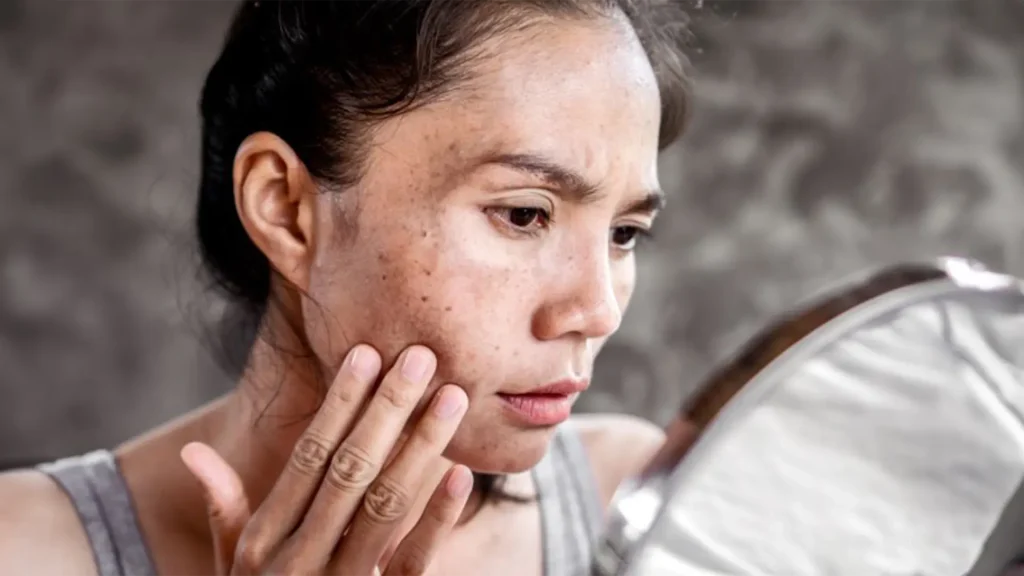
- Discoloration: Sunspots, also known as liver spots or solar lentigines, are flat, brown spots that appear on areas most exposed to the sun.
- Wrinkles and Fine Lines: Premature aging, characterized by wrinkles and fine lines, especially around the eyes and mouth, can be a sign of sun damage.

Common Symptoms and Signs
Beyond the visible signs, sun-damaged skin may also present symptoms that indicate deeper issues:
- Increased Sensitivity: Sun-damaged skin may become more sensitive to products or sun exposure.
- Precancerous Changes: Actinic keratosis, rough, scaly patches that may be precursors to skin cancer, can develop in sun-exposed areas.
- Moles and Freckles: Changes in their appearance, such as irregular borders, varying colors, or an increase in size, can be warning signs of melanoma.
Prevention of Sun Damage

Safe Sun Practices
- Broad Spectrum Sunscreen: Applying a broad-spectrum sunscreen that protects against both UVA and UVB rays is fundamental. Choose an SPF of 30 or higher and reapply every two hours.
- Seek Shade: The sun’s rays are strongest between 10 a.m. and 4 p.m. Seek shade during these hours.
- Wear Protective Clothing: Long-sleeved shirts, pants, and wide-brimmed hats offer physical barriers against the sun’s rays.
Protective Measures for High-Risk Areas
- Sunglasses with UV Protection: Protect your eyes and the surrounding skin by wearing sunglasses that block 100% of UVA and UVB rays.
- Avoid Tanning Beds: Tanning beds emit UV rays that can be more intense and harmful than sunlight.
- Regular Skin Checks: Regular self-examinations and dermatological check-ups can help detect early signs of sun damage and skin cancer.
The Role of Antioxidants and Skincare
In addition to protective measures, incorporating antioxidants into your skincare routine can help fight the free radicals generated by UV exposure. Products containing vitamins C and E can provide added protection and aid in the skin’s natural repair processes.
Treatment Options for Sun Damaged Skin
Professional Treatments
- Chemical Peels: By removing the top layer of skin, chemical peels can diminish the appearance of sunspots, fine lines, and other signs of sun damage.
- Laser Skin Resurfacing: This treatment uses focused light to remove damaged skin layer by layer. It’s particularly effective for correcting uneven skin texture and tone.
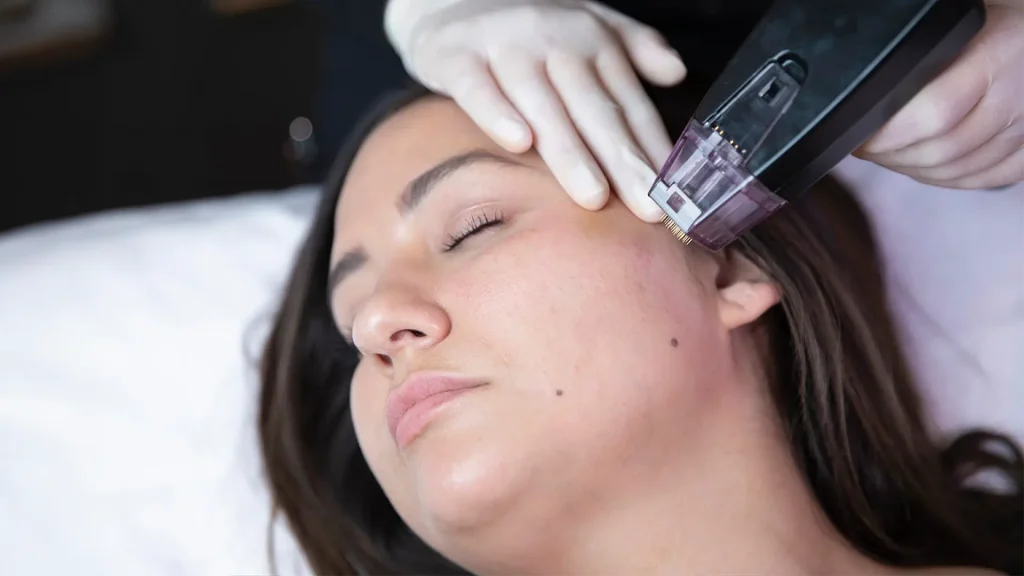
- Microneedling: By creating microscopic injuries in the skin, microneedling stimulates the body’s natural healing process, enhancing collagen and elastin production.
At-Home Care Strategies
- Sun Protection: Continuing to protect your skin from the sun is paramount, even while treating sun damage.
- Topical Antioxidants: Products containing antioxidants such as vitamin C, vitamin E, and ferulic acid can help combat free radical damage.
- Retinoids: Topical retinoids have been shown to improve skin texture and tone by accelerating cellular turnover.
Combining Treatments for Optimal Results
Often, the most effective approach to treating sun-damaged skin involves a combination of professional treatments and diligent at-home care. A personalized plan, developed in consultation with a skincare professional, can address specific concerns and leverage the strengths of each treatment method.
Maintaining Skin Hydration and Barrier Function
Importance of the Skin’s Barrier
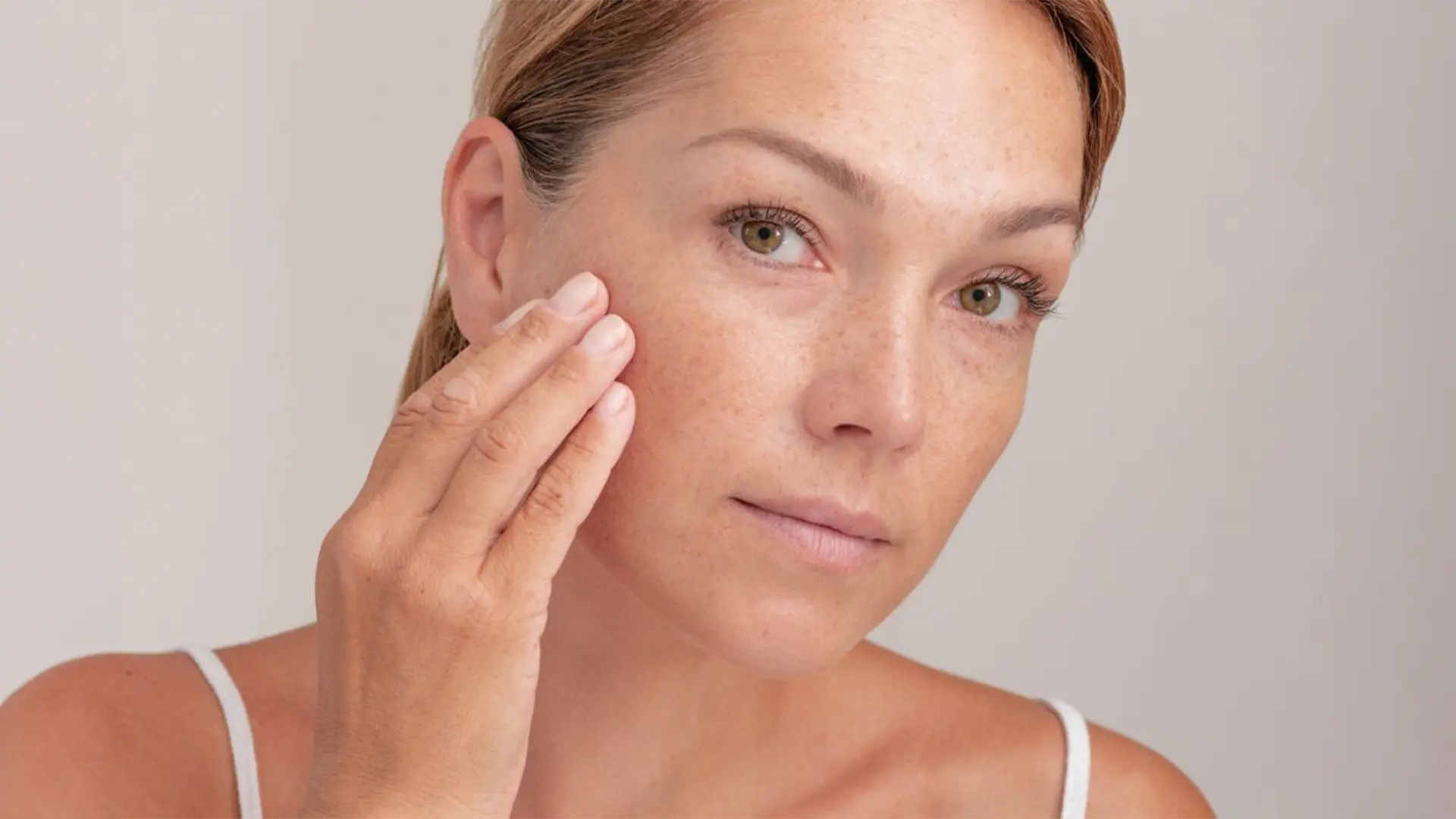
The skin’s barrier serves as the frontline defense against environmental aggressors, including UV radiation, pollution, and pathogens. When the barrier is compromised, the skin becomes more susceptible to damage and dehydration.
Strategies for Enhancing Skin Hydration and Barrier Function
- Hydrating Skincare Products: Incorporate products rich in hydrating ingredients such as hyaluronic acid, glycerin, and ceramides.
- Gentle Cleansing: Choose gentle, pH-balanced cleansers that remove impurities without stripping the skin.
- Barrier-Repairing Ingredients: Look for products containing essential fatty acids, niacinamide, and squalane.
- Regular Exfoliation: Removing dead skin cells through gentle exfoliation can improve the skin’s absorption of moisturizing products.
The Role of Diet and Hydration
External care is only one part of maintaining skin health; internal hydration and nutrition also play vital roles. Consuming a diet rich in antioxidants, omega-3 fatty acids, and vitamins can bolster the skin’s defense against sun damage.
Professional Guidance for Specific Concerns
If you’re dealing with significant sun damage or concerns about your skin’s barrier function, consulting with a dermatologist or skincare professional can provide personalized advice and treatment options. Schedule a consultation to discuss your specific needs.
Long-Term Skin Care Strategies for Sun-Damaged Skin
Consistent Sun Protection
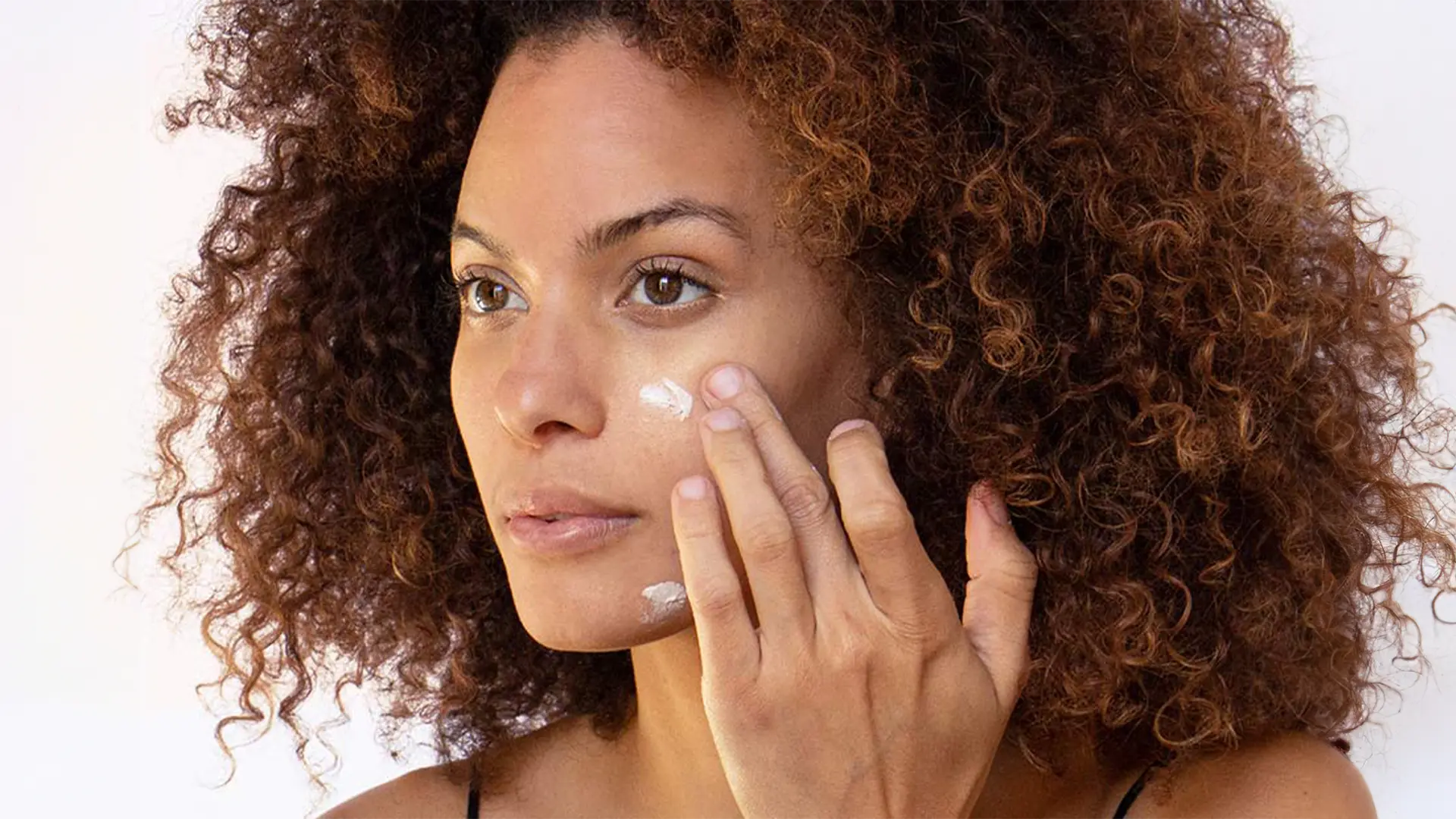
- Daily Sunscreen Application: Make sunscreen a non-negotiable part of your daily routine, regardless of the weather or season.
- Protective Clothing and Accessories: Wide-brimmed hats, UV-blocking sunglasses, and clothing made from sun-protective fabrics.
Routine Skin Examinations
Regularly examine your skin for new or changing lesions, and schedule annual check-ups with a dermatologist.
Advanced Skin Care Treatments
Periodic professional treatments, such as chemical peels, laser therapy, and microneedling, can address existing damage and encourage skin renewal.
Holistic Approaches
- Diet and Hydration: A balanced diet rich in antioxidants, omega-3 fatty acids, and vitamins can support skin health from the inside out.
- Stress Management and Sleep: Chronic stress and lack of sleep can exacerbate skin issues. Incorporating stress-reduction techniques and prioritizing sleep can have positive effects.
Innovative Skincare Technologies and Future Directions
The field of dermatology and skincare is rapidly advancing, with new technologies and research promising more effective treatments. Here’s a glimpse into some promising areas:
- DNA Repair Enzymes: Topical treatments containing DNA repair enzymes can help repair some of the genetic damage caused by UV exposure.
- Peptide Therapies: Peptides are being developed to specifically target and repair sun-damaged skin.
- Antioxidant Advancements: Research is uncovering new, more potent antioxidants like astaxanthin.
- Stem Cell and Growth Factor Technologies: Treatments utilizing stem cells and growth factors offer a cutting-edge approach to skin rejuvenation.
- Personalized Skincare: Advancements in genetic testing and skin analysis are paving the way for personalized skincare.
- Sunscreen Innovations: New sunscreen formulations continue to improve protection against UV radiation.
Conclusion
Navigating the journey of treating and preventing sun-damaged skin is an evolving process, blending established practices with innovative treatments and emerging technologies. By staying informed and proactive, adopting a comprehensive approach to skincare, and consulting with professionals, you can significantly mitigate the effects of sun damage and maintain healthy, vibrant skin.
For personalized skincare advice, consider consulting with Idelsis Trelles, PA-C at Femme Aesthetics, or schedule an appointment for a comprehensive skincare evaluation.
What this costs at Femme
| Treatment | Non-member | Member |
|---|---|---|
| IPL — full face | $500 | — |
| IPL — face and neck | $800 | — |
| Morpheus8 — face | $1,000 | — |
Prices are per treatment unless noted, and come straight from our pricing page. Member rates come through the membership program. How much product a result takes is settled at consultation — book one and we will quote you before anything begins.