
In the relentless pursuit of youth and beauty, skincare advancements have provided countless options to those looking to turn back the clock on aging. Among these innovations, wrinkle fillers have emerged as a cornerstone treatment for those seeking to diminish the signs of aging without resorting to invasive procedures. Wrinkle fillers, particularly those based on hyaluronic acid, offer a quick, reliable method to smooth lines and restore lost volume, instantly rejuvenating the skin’s appearance.
Introduction to Wrinkle Fillers
As we age, our skin gradually loses its essential proteins and fats, leading to the appearance of lines and wrinkles that mark the passage of time. Wrinkle fillers, also referred to as dermal fillers or soft tissue fillers, are primarily composed of hyaluronic acid, a substance naturally found in our skin cells which helps retain moisture and adds volume.
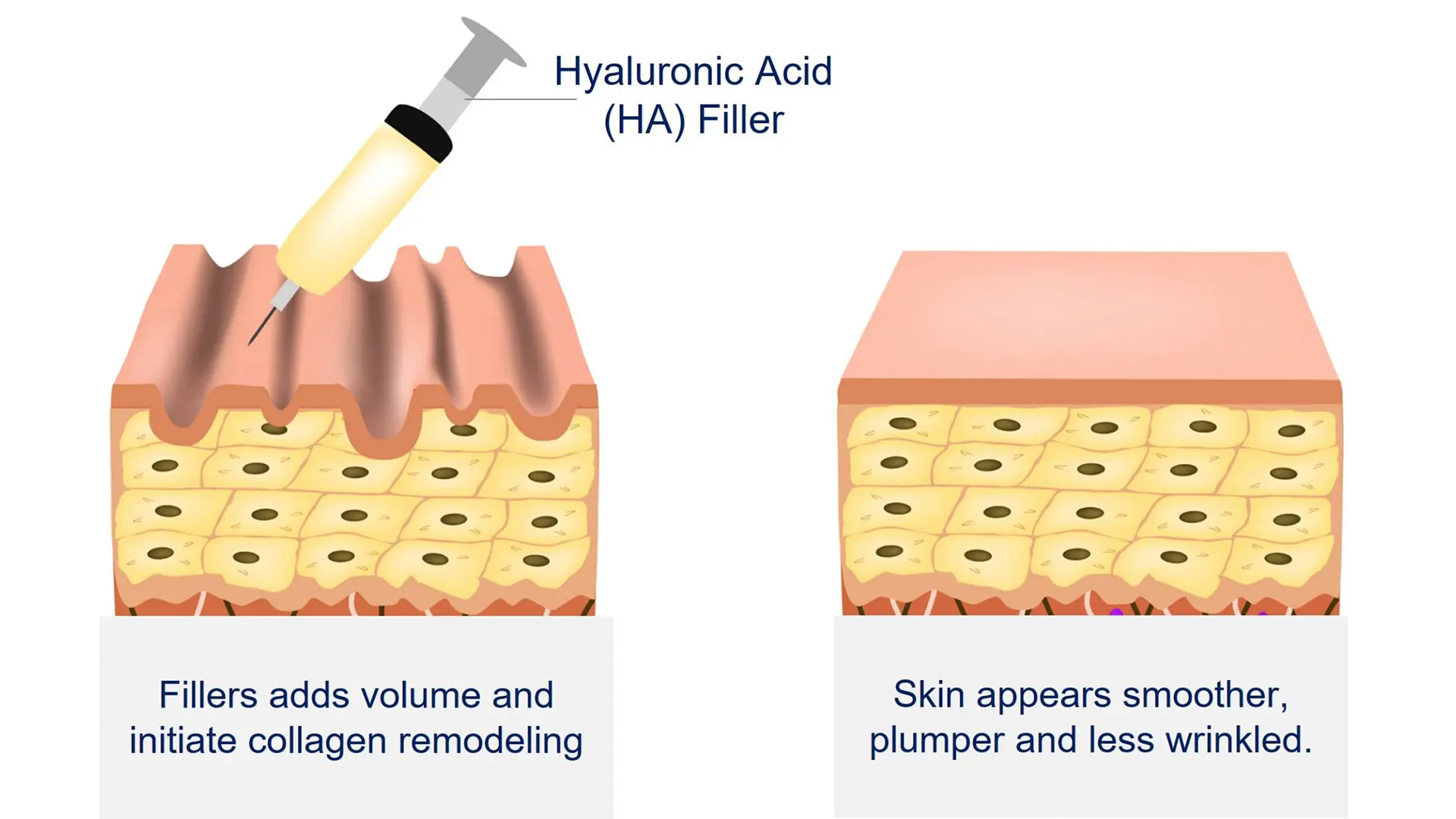
The magic of these fillers lies in their ability to not only temporarily diminish the appearance of deep wrinkles but also to encourage the body’s collagen production, leading to longer-lasting skin improvements.
The Science Behind Wrinkle Fillers
Hyaluronic Acid: The Key Ingredient
Hyaluronic acid fillers are the most popular choice among both plastic surgeons and patients due to their safety profile and immediate results. Hyaluronic acid is a naturally occurring molecule that plays a crucial role in maintaining skin hydration and volume. When used as a wrinkle filler, hyaluronic acid acts by creating volume beneath the skin’s surface, effectively pushing out and smoothing deeper lines and wrinkles.
These hyaluronic acid-based wrinkle fillers are FDA-approved and are known for their ability to integrate into the surrounding tissues, allowing for natural facial expressions and movement.
Other Components
While hyaluronic acid is the star of the show, other key ingredients often found in wrinkle fillers include calcium hydroxylapatite, poly-L-lactic acid, and sometimes, one’s own fat. Each of these components works to restore volume, improve the skin’s overall texture, and diminish the signs of aging.
For a personalized consultation on how these treatments can be tailored to your specific skin concerns, consider scheduling an appointment with Idelsis Trelles, a skilled Physician Assistant at Femme Aesthetics. Book your appointment to learn more.

Types of Wrinkle Fillers
Hyaluronic Acid Fillers
Widely regarded as the most popular type of wrinkle filler, hyaluronic acid fillers are celebrated for their immediate results and safety. Brands like Juvederm and Restylane offer a range of products that target everything from fine lines to deep folds.
Calcium Hydroxylapatite Fillers
Another FDA-approved option, calcium hydroxylapatite, is a mineral-like compound found naturally in human bones. Used in products such as Radiesse, it is typically utilized for deeper lines and wrinkles and is also known for its ability to stimulate collagen production.
Poly-L-lactic Acid Fillers
Poly-L-lactic acid fillers, such as Sculptra, work differently by stimulating the skin’s collagen production. Rather than just filling wrinkles, this type of injectable filler helps rebuild natural collagen and can gradually restore facial volume.
Autologous Fat Injections
For those looking for a more natural solution, autologous fat injections, which use the patient’s own fat harvested from another part of the body, can be an excellent choice. This method not only fills wrinkles but also integrates seamlessly with the existing facial tissues.
How to Choose the Right Wrinkle Filler
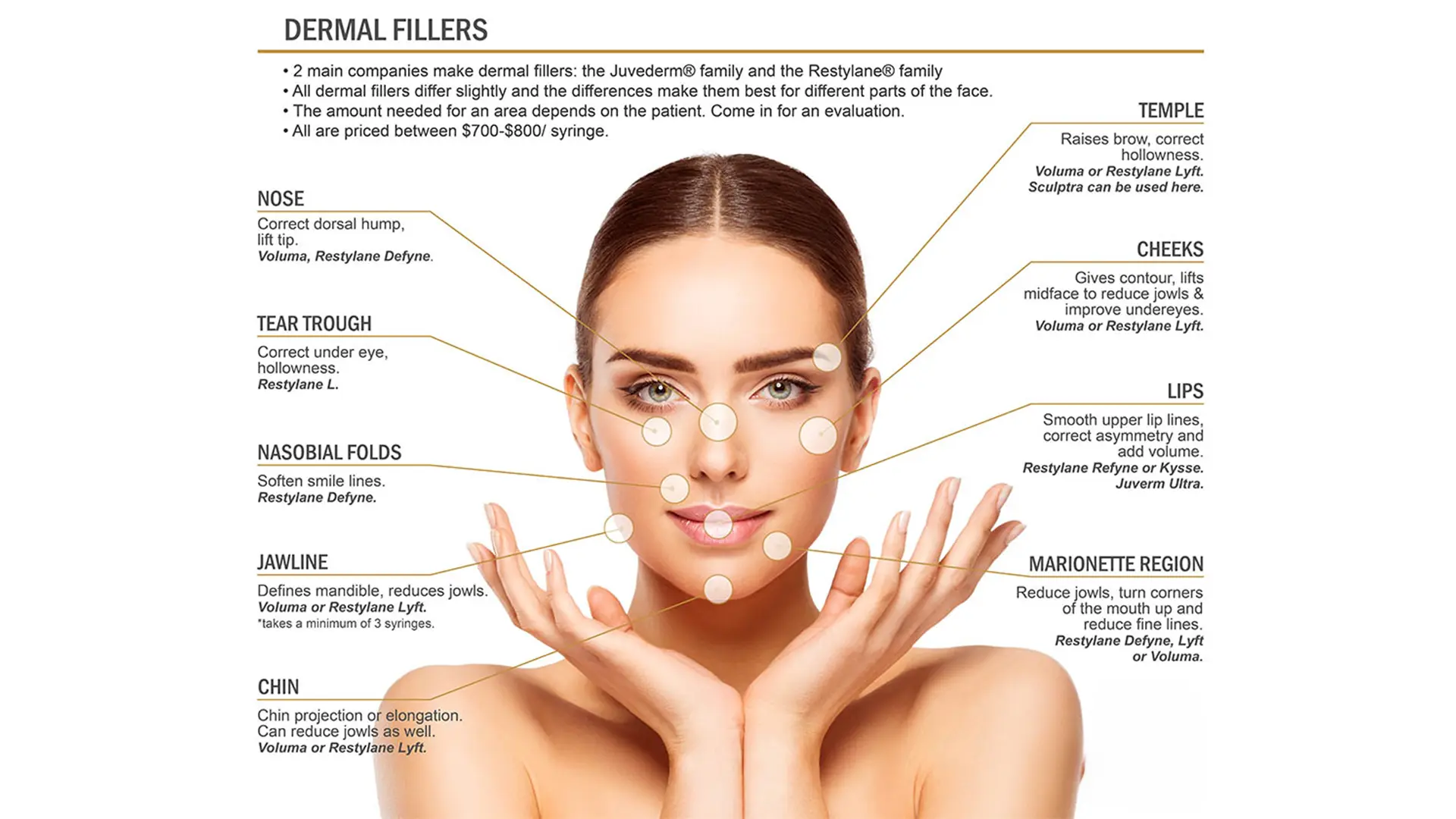
Selecting the right wrinkle filler involves a combination of understanding your skin concern, the desired longevity of results, and the specific areas of the face you wish to enhance.
- Consultation with a Professional: It is crucial to consult with a board-certified dermatologist or cosmetic surgeon who can assess your facial structure, skin type, and aesthetic goals.
- Consideration of Skin Type and Sensitivity: Individuals with sensitive skin might prefer hyaluronic acid fillers due to their natural compatibility and minimal risk of allergic reactions.
- Desired Results and Longevity: Some fillers, like hyaluronic acid, offer temporary results that can last from 6 to 12 months, while others, such as poly-L-lactic acid, can last up to two years or more.
Application of Wrinkle Fillers
Dermal Fillers: The Procedure
The application of dermal fillers is a relatively quick and minimally invasive procedure, usually completed within 30 to 60 minutes depending on the area being treated. The process begins with cleaning the targeted areas and possibly applying a numbing cream to minimize discomfort. The filler is then precisely injected into the designated sites, where it will add volume or smooth lines.

Special Considerations for Deep Wrinkles
Treating deep lines and wrinkles, such as forehead wrinkles or marionette lines, often necessitates a specific approach using a deep wrinkle filler. These fillers are designed to work at a deeper layer of the skin to restore volume lost to aging. It’s important to have these injections performed by a board-certified dermatologist or plastic surgeon to ensure optimal results.
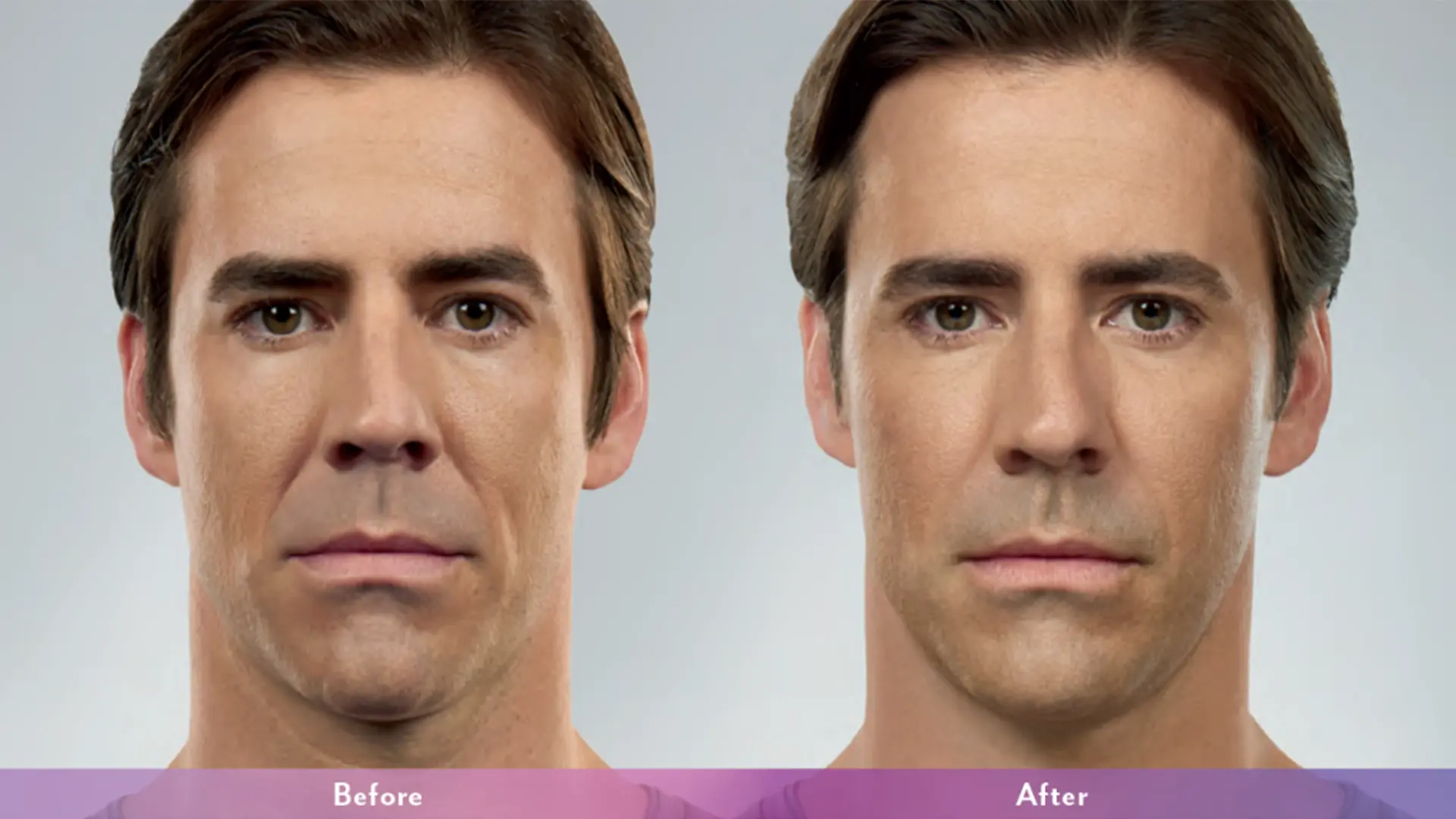
Before and After


Safety and Side Effects
Like any medical procedure, the application of wrinkle fillers comes with potential side effects, though serious complications are rare when performed by a qualified professional.
- Common Side Effects: These can include temporary redness, swelling at the injection site, bruising, and tenderness. These side effects typically resolve within a few days to a week.
- Rare Complications: More severe reactions, such as allergic reactions or infections, are uncommon but require immediate attention.
Maintenance and Longevity
Maintaining the Effects of Wrinkle Fillers
To maximize the longevity of the results, maintaining a proper skincare routine is essential. This includes using sunscreen daily to protect the skin from UV damage. Incorporating products with key ingredients like hyaluronic acid, vitamin C, and peptide proteins into your daily regimen can also help support the skin’s health.
Longevity of Different Fillers
The duration of the effects from wrinkle fillers can vary widely depending on the type of filler used, the area treated, and the individual’s skin type and lifestyle. Typically, hyaluronic acid fillers last between 6 to 12 months, while more robust options like poly-L-lactic acid might last up to two years. Regular touch-ups are recommended to maintain the desired appearance.

Conclusion
Embracing the world of wrinkle fillers opens a gateway to not just maintaining but enhancing one’s aesthetic appeal through non-invasive means. The choices available in the types of wrinkle fillers cater to a broad range of needs, from smoothing fine lines to restoring volume to deeper wrinkles.
Safety, although a significant concern, is well managed with professional medical oversight. By choosing a board-certified dermatologist or plastic surgeon to administer these treatments, patients can ensure they are in the safest hands possible.
For those considering this option, consulting with a professional, such as Idelsis Trelles at Femme Aesthetics, is a crucial step. To explore the possibilities and book a consultation, take the first step towards a refreshed and rejuvenated appearance.