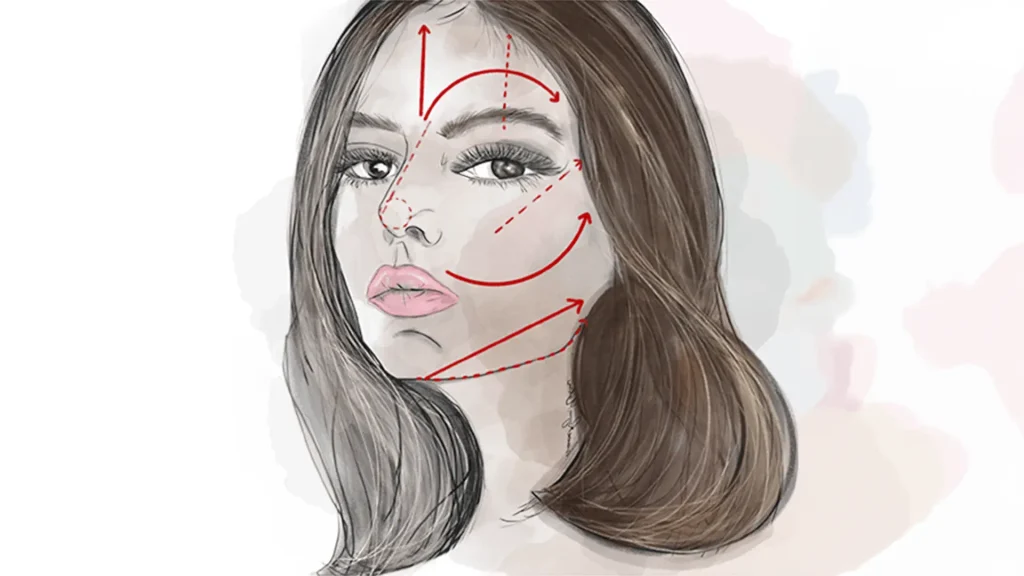
Pillow face is the unnatural, puffy, overfilled look that develops when too much dermal filler is placed in the face — usually in the cheeks, lips, or under-eyes. The face loses its natural contours, looks plumped instead of refreshed, and immediately reads as “done.” It’s the look that makes patients hesitate before booking filler at all. The good news: pillow face is almost entirely an avoidable problem if you understand what causes it. The better news: when it happens, hyaluronic-acid filler can be dissolved and reset.
This content is for educational purposes only and does not constitute medical advice. Individual results may vary. Consult a qualified healthcare provider before undergoing any treatment or procedure.
This guide covers the real causes, how to prevent it on your face specifically, and how a good provider will tell you when less filler is more. For a restraint-first consultation, book with our team at Femme Aesthetics in Miami.
What Causes Pillow Face
Three things drive it, almost always in combination:
- Too much filler at once. A face that needs 1 mL of cheek filler doesn’t look better with 3 mL — it looks heavier. The temptation to “maximize the visit” is the #1 cause we see.
- Repeated treatments without integration time. Filler placed on top of filler placed on top of filler, every few months, with no time for the prior product to settle or dissolve. The face accumulates volume invisibly until it suddenly reads as overfilled.
- Wrong layer or wrong product. Different fillers belong in different planes — a thick filler placed too superficially shows as a visible mass. A thin filler placed too deep does nothing. Anatomy training matters.
Patient pressure to do everything at once is the under-discussed driver. A patient who wants “cheeks, jaw, and lips today” from an injector who says yes to all of it is the typical pillow-face origin story.
Common Areas Prone to Pillow Face
Not all zones overfill equally. The high-risk areas:
- Cheeks (midface). Most common pillow-face location. Heals slowly and shows overfill for months.
- Under-eye / tear trough. Easy to overfill, hard to reverse without dissolving. Even 0.2 mL too much shows as visible puffiness.
- Lips. The line between “defined” and “over-plumped” is half a syringe.
- Jawline. Less common but possible if placed too superficially. Looks like a heavy lower face.
The forehead and temples almost never look pillow-faced when treated well — the anatomy is more forgiving.
Recognizing the Pillow Face Effect

The visual signs:
- The face looks puffy at rest, even when relaxed
- Natural cheekbone shadows are gone — the face reads as one flat plane
- Smile expressions look strained or restricted
- The lower eyelid looks heavier than the upper
- The lips are visible from a side profile in a way they weren’t before
- People you haven’t seen in months ask “did you do something?”
If any of these describe your current state, a conversation with a restraint-focused injector is the right next move — not more filler in a different area.
Corrective Measures: Dissolving and Resetting
For hyaluronic-acid filler (the most common type, including Juvederm, Restylane, RHA, Belotero), the fix is straightforward: an enzyme called hyaluronidase dissolves the filler within 24 to 48 hours. The face returns to its pre-filler state, and you can rebuild from there with a more measured plan.
The dissolving process:
- Assessment. Your injector identifies which areas are overfilled and how much.
- Targeted dissolution. Small doses of hyaluronidase are injected into the affected zones. Some areas may need a second visit if the filler is extensive.
- Recovery. Minor swelling for 24 to 72 hours, then the face settles to its natural state.
- Reset, optional. If you still want a small amount of filler, we wait 2 to 4 weeks before any new treatment so the tissue can fully recover.
Non-HA fillers (Sculptra, Radiesse) can’t be dissolved this way — they have to be allowed to break down naturally over 18 to 24 months. This is one reason starting with HA filler is usually the right call for first-time patients.
The Role of Aesthetic Artistry: Restraint Is the Skill
Good aesthetic medicine isn’t about how much you can do — it’s about how little you can do to achieve the result. The skill of a great injector lives in three places:
- Anatomic precision. Knowing exactly which compartment to place each tenth of a milliliter in
- Restraint. Stopping at the dose that achieves the goal, not the dose that’s “included” in a syringe
- Honesty. Telling a patient when filler isn’t the answer — or when no filler is the answer right now
For comprehensive lower-face work, see our facial balancing guide. For chin-specific approaches that emphasize anatomy over volume, see chin fillers. For lip work that defines rather than plumps, the Russian lip technique is the relevant article.
How to Prevent Pillow Face: Your Pre-Treatment Checklist
Before any filler visit:
- Ask your injector how many syringes they plan to use — and why
- Make sure your goals are described in terms of how you want to look, not in mLs
- If multiple areas are on the table, ask whether to space them across two visits
- Look at the injector’s before/afters. If they all look heavier, that’s a style choice they’ll bring to you too
- If you’ve had filler in the last 6 months, the right answer for today might be “less, or none”
And the one rule that prevents most pillow-face cases: wait 2 to 4 weeks between any treatment and the next decision. Filler keeps developing for two weeks. Judging the result after one day means you’ll always add more than you needed.
Ready for a restraint-first consultation? Book at Femme Aesthetics, call (786) 250-4133, or email info@femmeaesthetics.com.
Disclaimer: The information provided is intended for general educational purposes and should not replace professional medical consultation. Results are not guaranteed and may vary by individual. All procedures carry potential risks and side effects — discuss these with your provider before making any decisions.