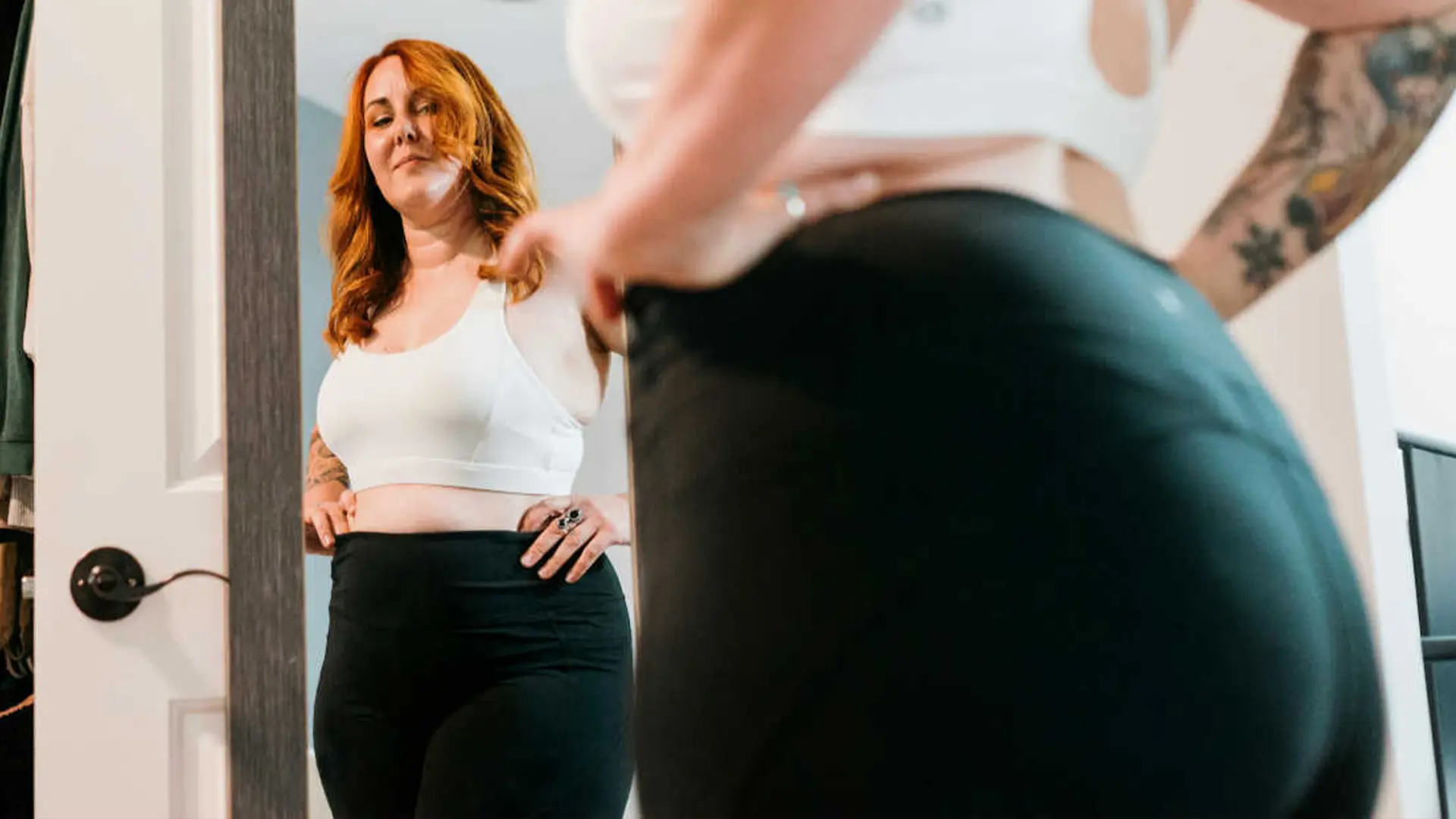
You’ve lost the weight. The number on the scale is the lowest it’s been in years. But standing in front of the mirror, you notice something the photos didn’t capture — loose skin where your stomach used to be tight, softness in places where the weight came off the fastest, lines where the skin couldn’t keep up. This isn’t failure. It’s the most common conversation we have with patients who’ve succeeded on GLP-1 medications. According to the American Society of Plastic Surgeons, GLP-1 patients are the fastest-growing demographic in body contouring — for good reason.
This content is for educational purposes only and does not constitute medical advice. Individual results may vary. Consult a qualified healthcare provider before undergoing any treatment or procedure.
At Femme Aesthetics, our approach is non-surgical body contouring designed specifically for the post-GLP-1 patient. We coordinate the full journey — from medical weight loss to maintenance to refining what you’ve built — under one roof. The right plan combines collagen-stimulating treatments like Morpheus8 with strategic volume restoration, so the body you worked for actually matches the way you feel.
What “GLP-1 Body” Actually Looks Like
After significant GLP-1 weight loss, patients often see a familiar pattern: loose abdominal skin (especially around the lower belly), looseness on the inner thighs and upper arms, a flatter or deflated buttocks, sagging on the knees and elbows, more visible stretch marks, and cellulite that suddenly looks more pronounced. None of this means you did anything wrong — it means your skin and your weight loss happened on different timelines.
The good news: not all of these areas need treatment. Strategic prioritization matters more than tackling everything at once. Most patients see the biggest visual return when we focus on one or two key zones first — usually the abdomen or arms — and add other areas in phases as the body settles.
Why Skin Doesn’t “Snap Back” the Way You Hoped
It’s the question we hear in nearly every consultation: why didn’t my skin bounce back? The answer is a mix of biology, age, and genetics — and understanding it helps you choose the right treatments instead of waiting for something that isn’t coming.
Rapid weight loss outpaces collagen
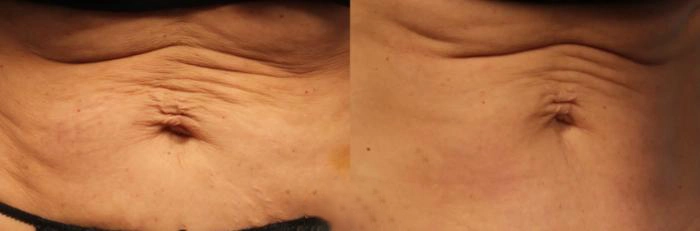
Skin elasticity depends on collagen and elastin, structural proteins your body produces and remodels over time. Lose 30+ pounds in six months and that structural protein simply hasn’t had time to remodel along with you. The skin’s scaffolding still reflects the body it used to support.
Age compounds the effect
Collagen production slows after about age 35, and elastin barely regenerates at all in adulthood. The same 40-pound loss in your 30s versus your 50s gives very different skin outcomes — not because anyone failed, just because the rebuild rate is different.
Genetics decide the rest
Some skin has more elastic recoil than others, and that’s genetic. We can’t change your genetics, but we can stimulate what you have. Modern collagen-induction treatments are the closest thing we have to giving your skin a second chance to remodel.
Treatment Areas That Get the Most Attention
Across hundreds of post-GLP-1 consultations, the same body areas come up again and again. Here’s where patients most often want help:
- Abdomen — the most common area, especially the lower belly where weight tends to come off last
- Inner thighs — looseness and chafing that wasn’t there before
- Upper arms — the “bat wing” effect that sleeveless tops suddenly highlight
- Buttocks — volume loss combined with skin laxity, leaving curves flatter than before
- Knees and elbows — small areas with surprisingly visible sagging
- Décolleté — loose chest skin that becomes more obvious in V-necks and swimwear
- Face — we cover this separately in our Ozempic Face guide because it deserves its own plan
Treatments That Work — Without Surgery
Morpheus8 Body — for skin tightening
Morpheus8 is radiofrequency microneedling that delivers heat into the deeper layers of skin, triggering a controlled wound-healing response. The result is new collagen, gradual tightening, and improved skin quality from the inside out. It’s our go-to for the abdomen, upper arms, inner thighs, and knees — the areas where post-GLP-1 patients feel laxity most.
Most body protocols involve three sessions spaced four to six weeks apart, with results that build over three to six months as new collagen forms. There’s some redness and pinpoint marks for a day or two, but social downtime is short.

Sculptra Body — for volume + collagen
Sculptra isn’t just for the face. As a poly-L-lactic acid biostimulator, it triggers your own collagen production while restoring lost volume — a combination that makes it ideal for the post-GLP-1 patient. We use it most often in the buttocks, hips, and décolleté to bring back curves that disappeared with the weight.
For patients who lost their shape along with the pounds, Sculptra can rebuild a more proportionate silhouette gradually over several months. Many of our patients combine it with Morpheus8 for tightening — or explore the Sculptra butt lift as a non-surgical alternative to traditional BBL surgery.
Radiesse Body — for definition + structure
Radiesse is a calcium hydroxylapatite biostimulator that restores structural volume immediately and stimulates new collagen over time. It complements Sculptra well — Radiesse provides instant lift and definition, while Sculptra continues to build volume in the background. Our Radiesse butt lift and non-surgical BBL protocols use Radiesse to add shape and projection without surgery.
Stretch Mark + Cellulite Treatment
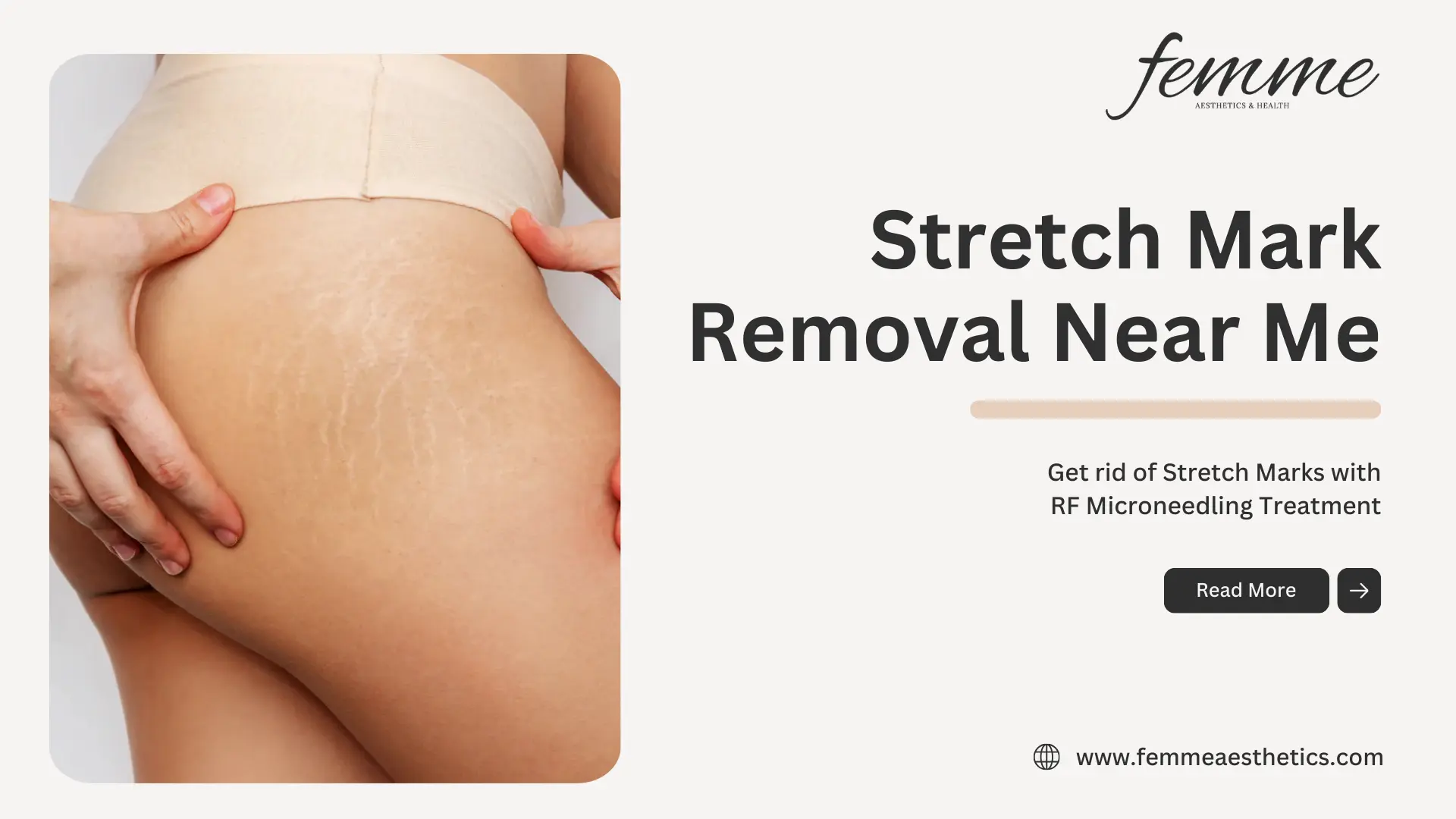
RF microneedling fades stretch marks by remodeling the textural change in the skin, while acoustic wave therapy combined with strategic Sculptra placement smooths the dimpling that becomes more visible after weight loss. We’ll often layer these into a phased plan rather than chase them all at once. Learn more about our stretch mark removal and cellulite treatments.
When to Start After Reaching Your Goal Weight
Timing matters. We generally recommend waiting until your weight has been stable for about three months before starting body contouring. Within those first months, the skin is still settling into its final position, the scale could still move, and your treatment plan may shift if you keep losing. Starting too early often means treating areas that look different a few months later.
That said, not every treatment has to wait. Skin-quality boosters, hydration treatments, and early Morpheus8 sessions for tone and texture can sometimes start sooner — especially if you’re close to your goal and stable. We’ll map this out together at the consultation so the timing supports the result, not the other way around.
Building a Realistic Treatment Plan
A good plan is phased, not panicked. Here’s how a typical post-GLP-1 timeline looks for our patients:
- Month 1 — Consultation, body mapping, baseline photos. First Morpheus8 session if appropriate.
- Months 1-3 — Complete the Morpheus8 series for skin tightening across primary areas.
- Months 3-5 — Sculptra and/or Radiesse if volume restoration is part of your plan.
- Months 5-8 — Skin-quality refinement, stretch mark fading, and cellulite work.
- Ongoing — Light maintenance to protect your investment and keep results consistent.
What to Expect — Cost, Recovery, Realistic Results
Investment varies based on the number of areas treated and which combination of treatments fits your goals. Most patients spread their plan across six to nine months in phases rather than tackling everything in one large appointment — this is easier on your schedule, easier on your budget, and produces more natural-looking results because tissue has time to settle between phases.
Recovery for most non-surgical treatments is minor: some swelling, redness, and pinpoint marks for a day or two. Social downtime is minimal. Realistic results: significant tightening and volume restoration, smoother skin texture, and a more proportionate silhouette. It’s not the same as surgery — but for the right patient, surgery isn’t necessary. Ask about our memberships if you’re planning a multi-treatment year.
Who Is a Good Candidate?
You’re a strong candidate for non-surgical post-GLP-1 contouring if:
- Your weight has been stable for three months or longer
- You’re maintaining muscle through strength training and protein intake
- You have realistic expectations about non-surgical results
- Your skin is generally healthy, with mild to moderate laxity
Surgery may be a better fit if:
- You have massive skin redundancy that requires excision (not just tightening)
- You’re looking for a one-and-done transformation
- A previous plastic surgery consultation has recommended it
Why Combine Body Contouring with Aesthetic Strategy
The best post-GLP-1 results don’t come from a single treatment in isolation — they come from a coordinated strategy. At Femme, we run medical weight loss, maintenance, and body contouring under one roof, with one clinical team that knows your full timeline. That continuity matters: the provider managing your GLP-1 dose understands when you’ll be ready to start contouring, and the provider building your contouring plan understands what your weight trajectory looks like.
The result is fewer appointments wasted on the wrong timing, fewer treatments that don’t hold because the body is still changing, and a final outcome that matches the work you put in.